Trump touts Maduro ouster as ideal, but Venezuela fight deepens
Trump calls Maduro’s removal “the perfect scenario,” but Venezuela’s oil, migration and legal fights show how hard an ending would be to control.
Donald Trump calls Nicolás Maduro’s removal “the perfect scenario,” but Venezuela’s endgame is already tangled in oil, migration and competing claims to power. The confrontation between Washington and Caracas is not a clean break point; it is the latest turn in a conflict that has stretched across administrations, sanctions, failed talks and a deepening regional crisis.
Maduro has ruled since 2013, when he took over after Hugo Chávez’s death, and he has held power through the 2018 and July 28, 2024 elections that U.S. and other international observers considered fraudulent. Congressional researchers said precinct-level tabulations covering more than 80% of ballots showed opposition candidate Edmundo González Urrutia winning with 67% of the vote. Maduro still began a third term on January 10, 2025, backed by Venezuela’s security forces and by allies in China, Cuba, Iran and Russia.
The United States has tried pressure and leverage, but neither has produced a decisive outcome. The Treasury revoked Chevron’s license to operate in Venezuela in early March 2025, a move that hardened the standoff over oil while leaving Washington with fewer tools over a government that still controls the country’s institutions and armed coercive power. After that decision, Maduro paused flights carrying Venezuelans removed from the United States, underscoring how migration has become one of the most immediate weapons in the dispute.
The conflict escalated further after the January 3, 2026 U.S. military operation in Venezuela. Trump said the United States would “run Venezuela” for a while, but that declaration only highlighted the gap between rhetoric and control. Analysts have warned that removing Maduro could open a far harder phase rather than a swift resolution, especially in a country whose collapse has fueled irregular migration, transnational crime, corruption and illicit financial flows across the hemisphere.
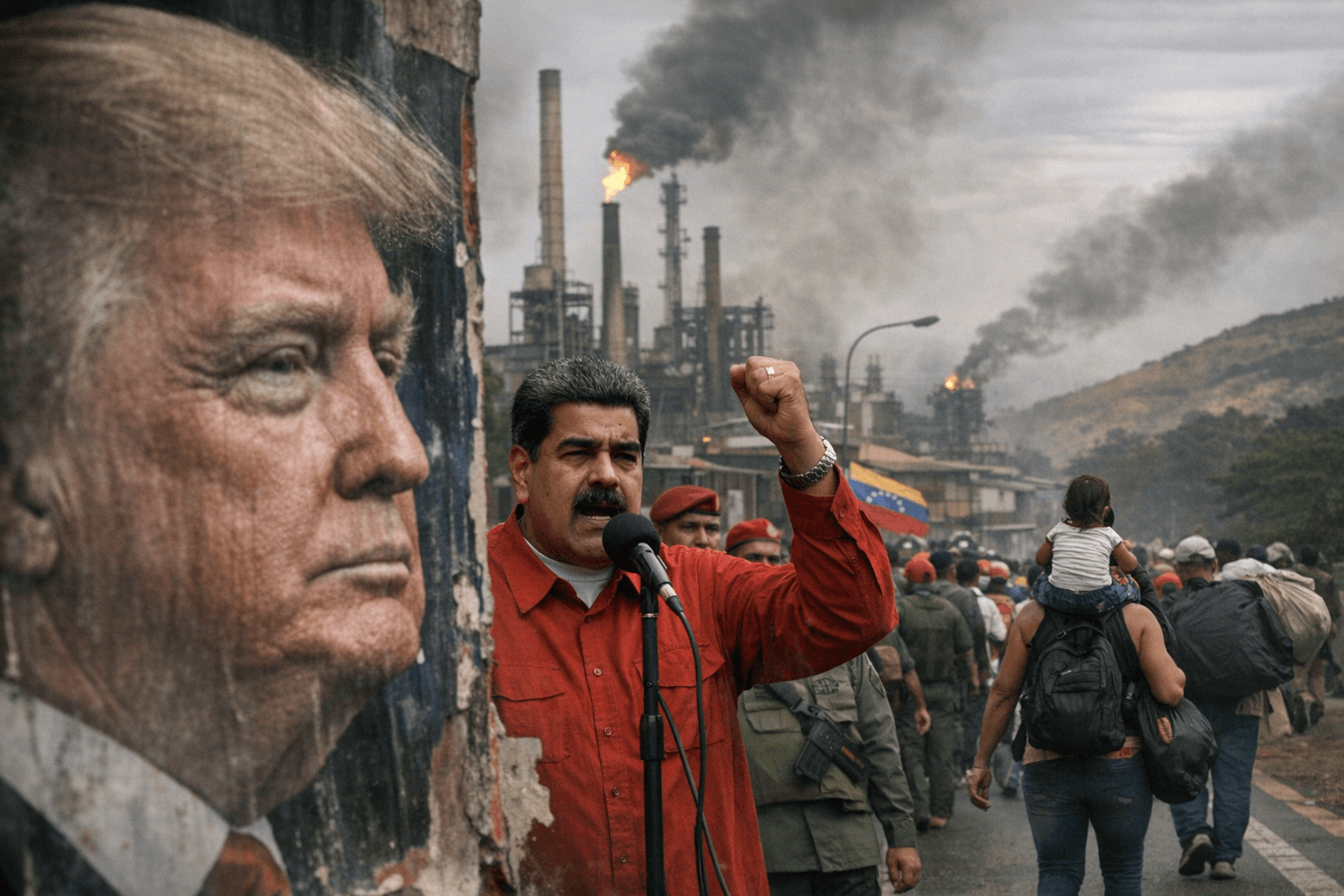
By April, the oil stakes were still pulling in opposite directions. Venezuela’s government and opposition were seeking to coordinate their legal defense of the country’s U.S. assets, a sign that even rival political camps saw the asset battle as central to the future. At the same time, Chevron signed two agreements on April 13, 2026 to expand operations in Venezuela’s Orinoco Belt, including an asset swap that added another heavy crude area to its main project.
That is the reality behind the “perfect scenario” line. Maduro’s removal may be a slogan of victory in Washington, but in Caracas it would still leave sanctions, oil, migration and regional instability to be managed, with limited U.S. leverage and no easy model for what comes next.
This article was produced by Prism’s automated news system from verified source data, official records, and press releases, then run through automated quality and moderation checks before publishing. The system is built and supervised by the people who set the standards it runs under. Read our full AI policy.
Did this article answer your question?


