Trump Treasury Unlocks Iranian Oil at Sea to Fight Wartime Price Surge
The U.S. temporarily eased Iranian oil sanctions to cool prices, with Treasury claiming 140 million barrels could reach global markets.
Treasury Secretary Scott Bessent authorized the purchase of Iranian oil already loaded onto ships at sea, marking a striking wartime reversal of the Trump administration's "maximum pressure" sanctions policy as surging energy prices threaten the domestic economy.
The license, issued by the U.S. Treasury, covers Iranian oil loaded onto vessels before 12:01 a.m. ET last Friday and remains valid through April 19. It excludes buyers located in North Korea, Cuba, or Russian-occupied parts of Ukraine. Bessent described the measure as "narrowly tailored" and strictly temporary, "permitting the sale of Iranian oil currently stranded at sea."
"By temporarily unlocking this existing supply for the world, the United States will quickly bring approximately 140 million barrels of oil to global markets, expanding the amount of worldwide energy and helping to relieve the temporary pressures on supply caused by Iran," Bessent said.
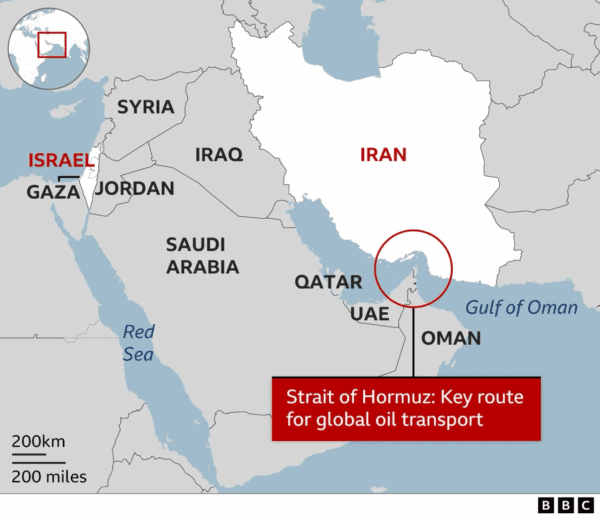
The economic pressure driving the decision is severe. Retail gasoline prices have risen 93 cents per gallon since the start of the year, while U.S. crude oil has soared more than 70 percent. About 20 percent of the world's daily oil consumption transits the Strait of Hormuz, the narrow waterway running along Iran's coast. Since the war began at the end of February, shipping through the strait has slowed dramatically, with tanker operators fearing Iranian attacks. Experts estimate the conflict has knocked roughly a tenth of global supply out of the market.
The Iranian oil waiver is one piece of a broader emergency supply push. The administration also temporarily authorized purchases of Russian oil already at sea for one month, released millions of barrels from U.S. strategic petroleum reserves, and waived Jones Act shipping restrictions, all coordinated alongside International Energy Agency member countries.
Bessent framed the Iran measure partly as a geopolitical maneuver, arguing it could divert oil supplies to countries including India, Japan and Malaysia while forcing China, which was the primary buyer of Iranian oil before the war and purchased those barrels at steep discounts, to pay market price.

The policy drew immediate and sharp criticism. David Tannenbaum, director of Blackstone Compliance Services, a consultancy specializing in maritime sanctions, called the move "bananas." "Essentially we're allowing Iran to sell oil, which could then be used to fund the war effort," Tannenbaum said. A senior researcher described the decision as "funding a war against itself."
Senate Minority Leader Chuck Schumer and several Senate Democrats issued a joint statement targeting the earlier Russian oil authorization, warning it applied equally to the Iran measure: "The new channels for evasion the President is opening, coupled with dramatically higher global energy prices, are giving Putin a huge financial boost and the means to continue his bloody war in Ukraine."
The Russia dimension carries its own complications. An analyst identified only as Brake noted the war has produced a "double effect" on Russia's campaign in Ukraine: Iranian drone transfers to Russia have stopped, reducing attacks on Ukraine, but rising oil prices and lifted sanctions deliver fresh revenue to Moscow's war machine.
Bessent himself acknowledged the stakes, telling NBC News: "The risks have been underestimated." Whether unlocking a finite pool of oil already at sea will meaningfully cool prices before the April 19 authorization expires is the central test of a policy with no clear precedent in American wartime energy management.
Know something we missed? Have a correction or additional information?
Submit a Tip