Trump turns America’s 250th anniversary into political battleground
Trump has recast the 250th anniversary around himself, while Congress’s bipartisan commission is fighting to keep the celebration civic, not personal.

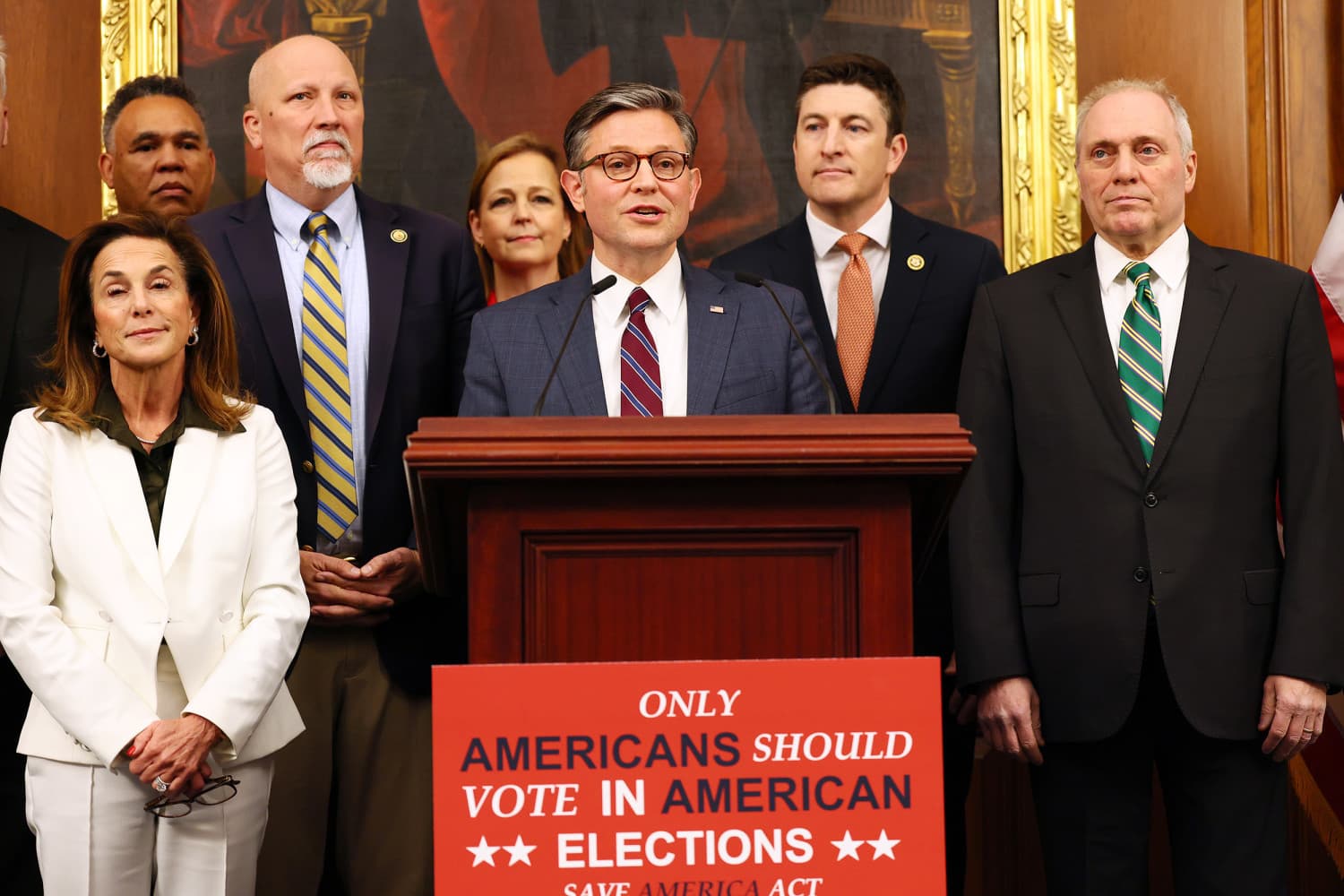
The fight over America’s 250th anniversary has become a fight over who gets to define the country’s memory. One track runs through Congress’s bipartisan semiquincentennial commission, built to mark the Declaration of Independence as a national civic milestone. The other runs through the White House’s Freedom 250 campaign, which has placed Donald Trump at the center of the celebration and turned the anniversary into a test of political control.
Two visions for the same anniversary
Congress created the U.S. Semiquincentennial Commission in 2016 through Public Law 114-196 to plan a nationwide observance of the founding of the United States. The law directs a broad commemoration built around local, state, national, and international activities, and the commission’s public-facing America250 effort presents itself as bipartisan and nonpartisan. Rosie Rios, the former U.S. Treasurer, chairs the commission, and the Congressional America250 Caucus says it includes more than 400 members of Congress, making it the largest bicameral, bipartisan caucus in U.S. history.
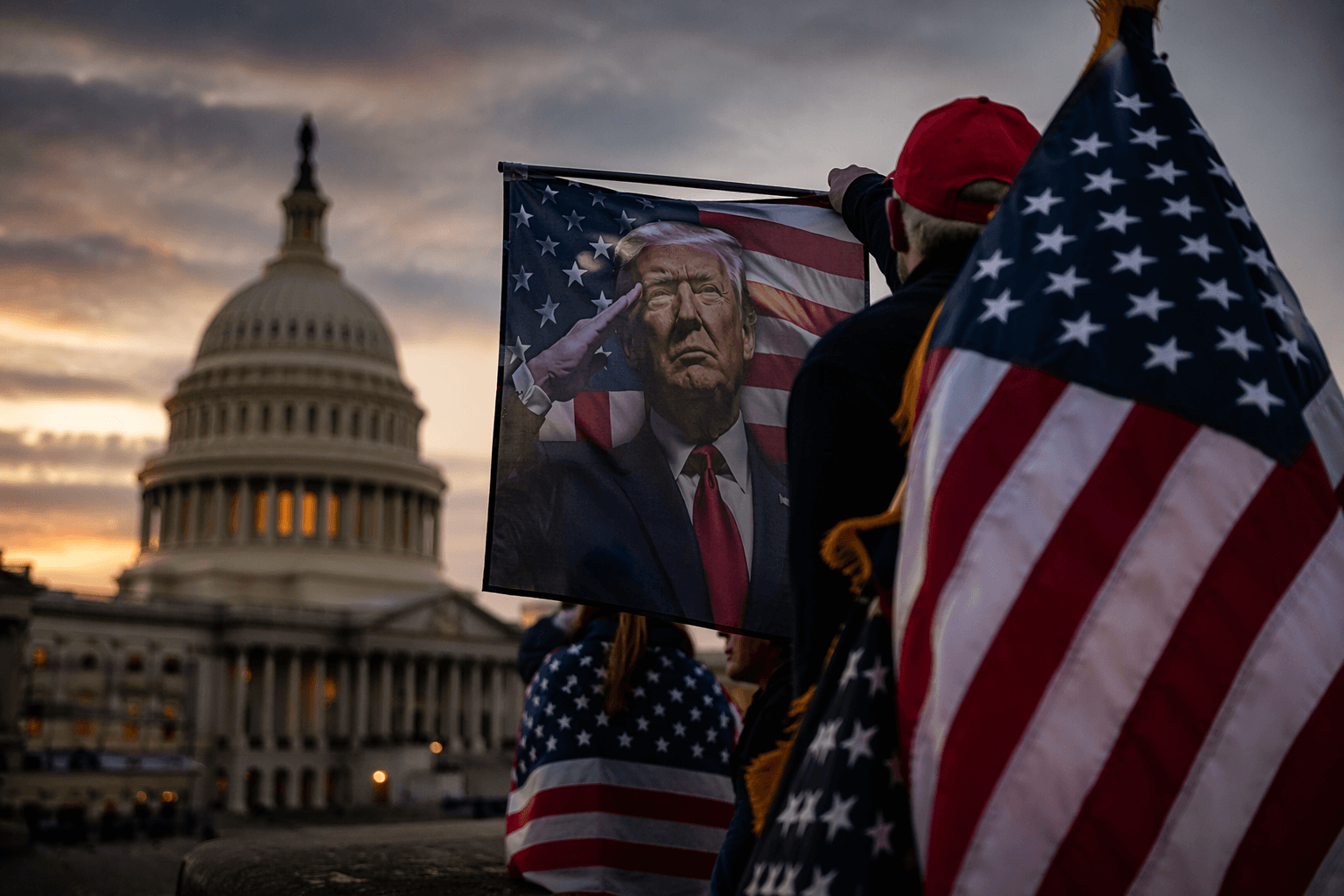
That institutional model is now colliding with a far more personalized White House version. The Freedom 250 page on the White House site says the nation will celebrate 250 years of American independence on July 4, 2026, and official materials link the commemoration directly to Trump and his administration. Trump himself called the National Mall event a “Trump Rally,” a label that sharpened the contrast between a civic anniversary and a leader-centered political spectacle.
Money, branding, and the accusation of diversion
House Democrats on the House Natural Resources Committee widened the dispute with a 55-page report released on July 2, 2026. The report accused Trump-aligned Freedom 250 of turning the milestone into a vehicle for vanity projects, political and religious agenda-setting, business interests, and misuse of public funds. Democratic investigators also alleged that some donors who thought they were supporting America250 were redirected toward Freedom 250 through similarly named fundraising channels.
Freedom 250 rejected those allegations as a partisan smear. Even so, the dispute has added a financial dimension to the symbolic one, because the two entities are not just competing over ceremony, but over access, money, and institutional legitimacy. Democratic senators had already opened a probe into the private group in February 2026, signaling that the concern extended beyond one committee report and into broader congressional scrutiny.
The funding picture also shows how uneven the ground has become. Reporting described America250 as facing a $100 million shortfall, and by April it had received only $25 million of the $100 million it expected from the Trump administration. That gap matters because the commission was designed to produce a nationwide observance, while Freedom 250 has drawn substantial taxpayer support and private donations of its own.
Why the symbolism is so charged
The administration’s framing goes beyond a standard holiday program. State Department Freedom 250 materials cast the anniversary as a statement about national identity and power, and the department quotes Trump saying that with the Declaration of Independence, America began “the greatest political journey in human history.” That language shifts the anniversary from a shared constitutional milestone toward a story of destiny, expansion, and presidential authorship.
That difference matters because the semiquincentennial is not supposed to belong to one party or one president. Public Law 114-196 envisioned a nationwide observance of the founding, and America250 has worked to present the anniversary as a civic project rather than a campaign-style platform. The White House version, by contrast, leans on Trump branding, a countdown clock, and event messaging built around his political identity.
The result is a symbolic contest over ownership of national memory. In one version, the 250th anniversary is a public inheritance created by Congress and shared across institutions. In the other, it becomes a stage on which a president can recast a founding anniversary as proof of his own political centrality.
What played out on July 4
The split was visible in the holiday programming itself. Reporting ahead of the celebration described two marquee events on opposite coasts, one anchored by Trump and one featuring larger musical acts, underscoring the divide between the official commission and the White House’s political celebration. That contrast made the anniversary look less like a unified national observance and more like a parallel set of competing brands.
Weather then forced the issue into even sharper relief. The National Mall fireworks were expected to start later than usual because of an unusually hot day, and severe storms later prompted a temporary evacuation of the Mall during Trump’s America 250 commemoration. The disruptions did not settle the broader dispute, but they added a blunt reminder that the event was not simply a pageant of unity.
What is at stake now
The immediate controversy is about Freedom 250’s finances, donor flow, and the allegations raised by House Democrats and Senate investigators. The larger issue is institutional: whether a national anniversary created by Congress will remain a civic observance shared across parties, or whether it will be absorbed into a personal political brand. With more than 400 lawmakers tied to America250 and a White House operation built around Trump’s name and image, the battle is no longer about ceremony alone.
The semiquincentennial was meant to tell the story of the republic. Instead, it has become a measure of how much of that story can still be claimed by institutions, and how much is being pulled into the orbit of one president.
This article was produced by Prism’s automated news system from verified source data, official records, and press releases, then run through automated quality and moderation checks before publishing. The system is built and supervised by the people who set the standards it runs under. Read our full AI policy.
Did this article answer your question?