Trump unveils $700 million coal push, West Virginia hails win
Trump’s coal revival put $700 million on the table, but the long-term payoff remains uncertain as West Virginia celebrates a short-term win.
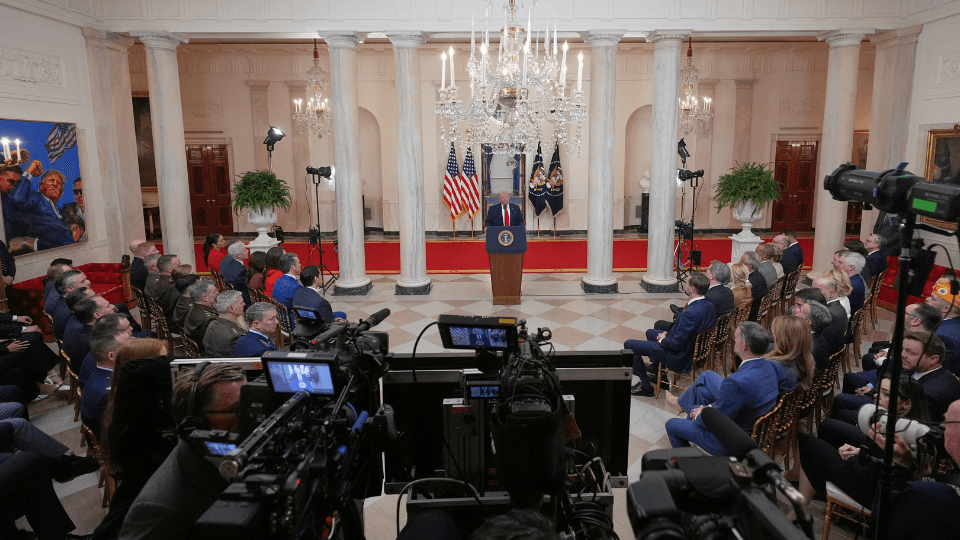
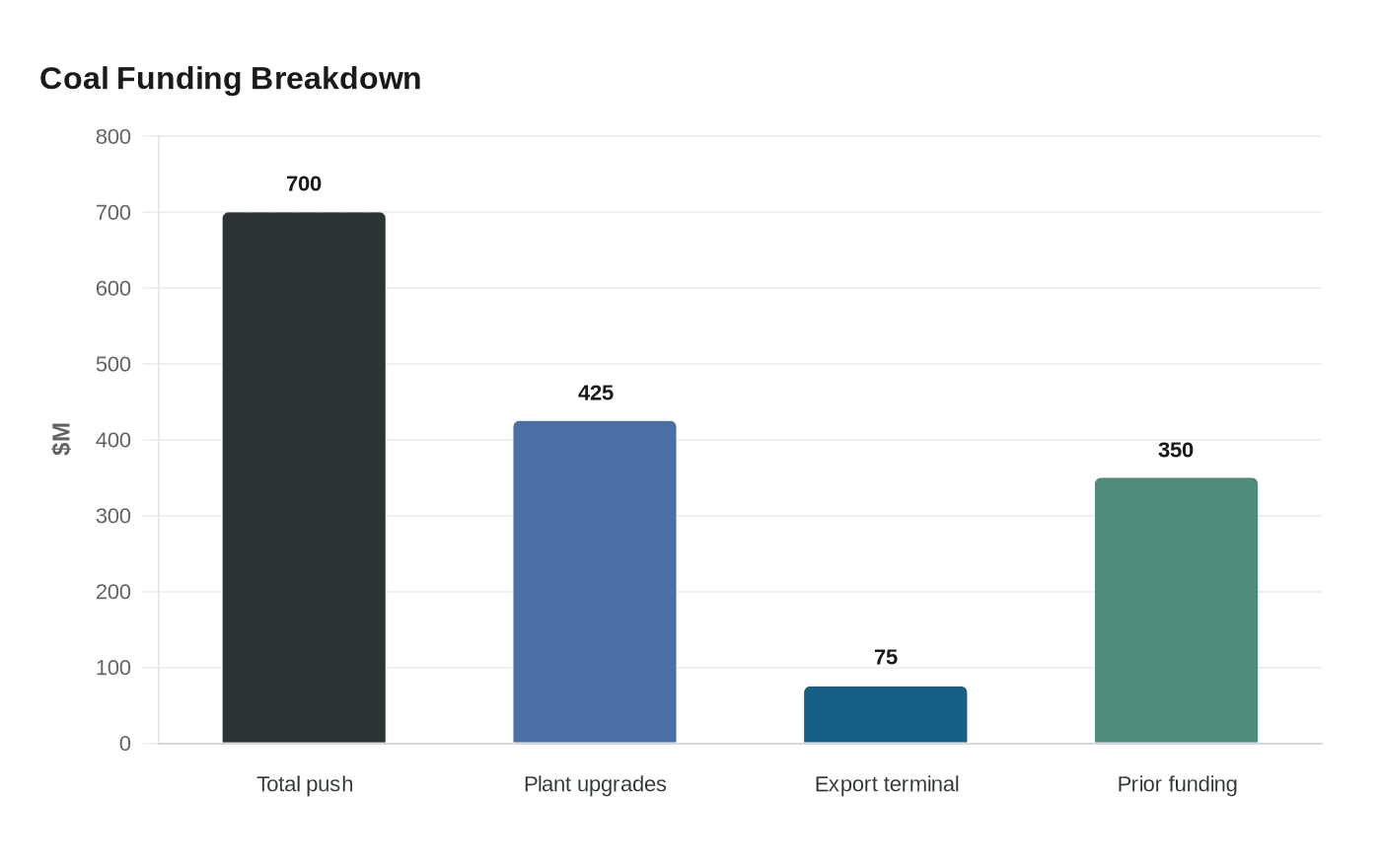
President Donald Trump on Thursday put $700 million behind coal plants and a new export terminal, using emergency authority under the Defense Production Act to argue that coal is not just an industry priority but a national security asset. The White House said the package included $425 million to upgrade 13 coal-fired plants, $75 million for the proposed West Gateway export terminal in Oakland, California, and up to $350 million in previously announced funding for four coal facility projects, including new plants in Alaska and West Virginia.
The administration said the effort could support 14,000 jobs, while West Virginia Gov. Patrick Morrisey cast the announcement as a direct payoff for his state and for Trump’s broader energy agenda. Standing at the White House, Morrisey called it a “massive win” for West Virginia and national security, and said the state was ready to lead an “energy resurgence.” His office said the funding would help protect dozens of existing coal plants, finance a new state-of-the-art facility, and support a West Coast export terminal shipping American fuel to Asia. Morrisey also said the plan would save Americans an estimated $50 billion in electricity costs.
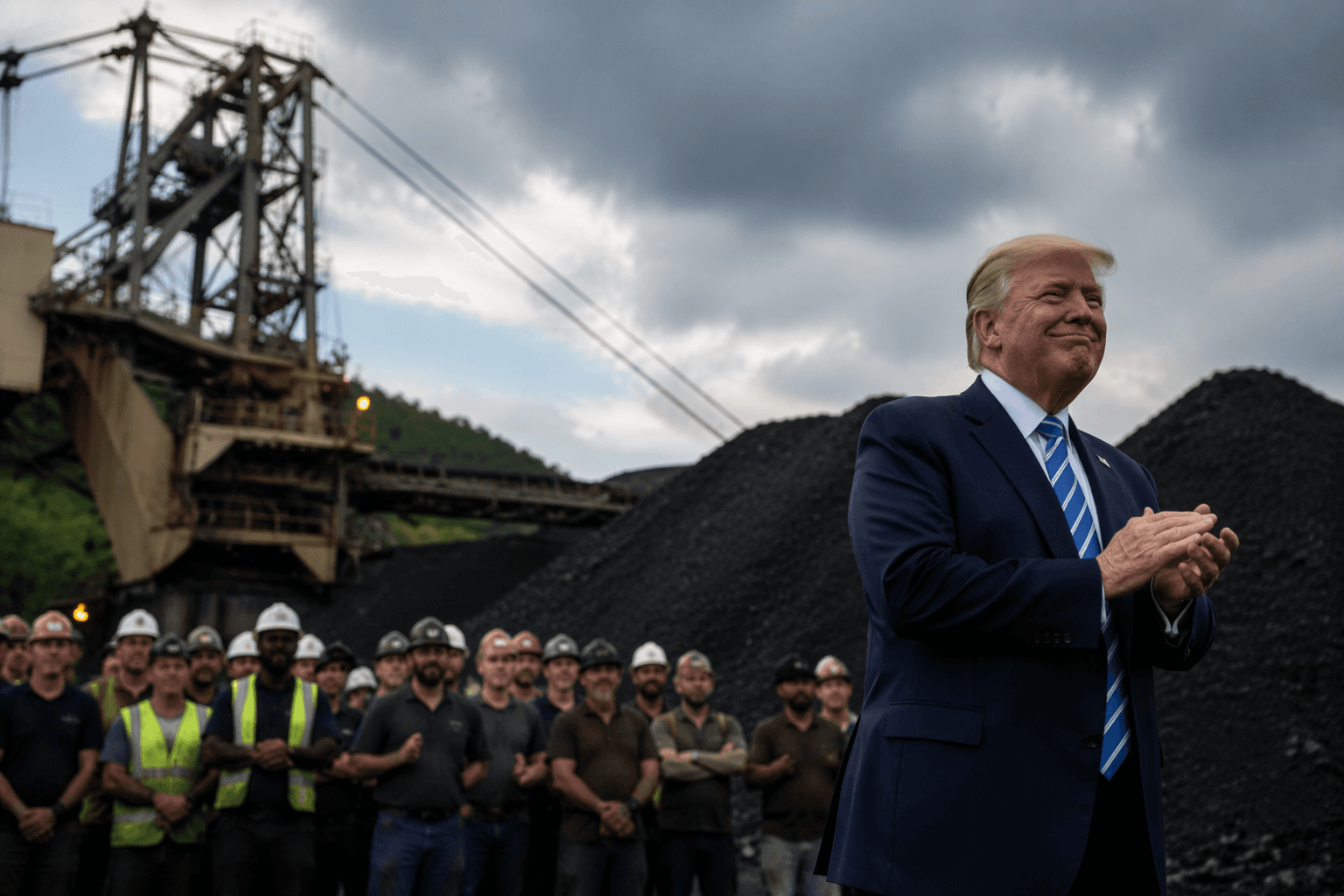
The push builds on a broader White House campaign to elevate coal through emergency powers and federal procurement. A presidential determination issued April 20 said coal mining, logistics, terminals, stockpiles and power generation facilities are essential to national defense. A February 11 White House fact sheet said Trump had already moved to prioritize long-term coal power purchase agreements for military installations and claimed his actions had stopped the closure of 17 gigawatts of coal power.
But the announcement also exposes the gap between political symbolism and market reality. The U.S. Energy Information Administration says West Virginia holds 6% of the nation’s recoverable coal reserves and remains the second-largest coal producer, yet coal-fired plants accounted for about 87% of the state’s total electricity net generation in 2025. Across the country, coal’s share of electricity generation has fallen to about 16% to 17% in recent forecasts, a sign that gas and renewables continue to dominate new power demand even as Washington tries to extend coal’s life.
That divide explains why the money drew praise from coal-state officials and hard resistance from environmental groups. The Sierra Club’s climate policy director, Patrick Drupp, called it a taxpayer-funded subsidy for a polluting industry and said the group would fight it in court. Rich Nolan, chief executive of the National Mining Association, argued the move would help insulate consumers from energy price volatility and meet rising electricity demand. In West Virginia, coal still carries outsized political weight, with a West Virginia University-backed study cited by state coal advocates saying coal and coal-fired generation produced about $21 billion in economic activity in 2024 and supported roughly 36,249 jobs. For Trump, the announcement delivered a clear political message. For the power sector, its longer-term impact remains far less certain.
This article was produced by Prism’s automated news system from verified source data, official records, and press releases, then run through automated quality and moderation checks before publishing. The system is built and supervised by the people who set the standards it runs under. Read our full AI policy.
Did this article answer your question?