Trump urges caution as Iran deal nears, talks continue
Trump slowed momentum after calling an Iran agreement “largely negotiated,” a move that kept the Strait of Hormuz blockade in place and shook oil markets.
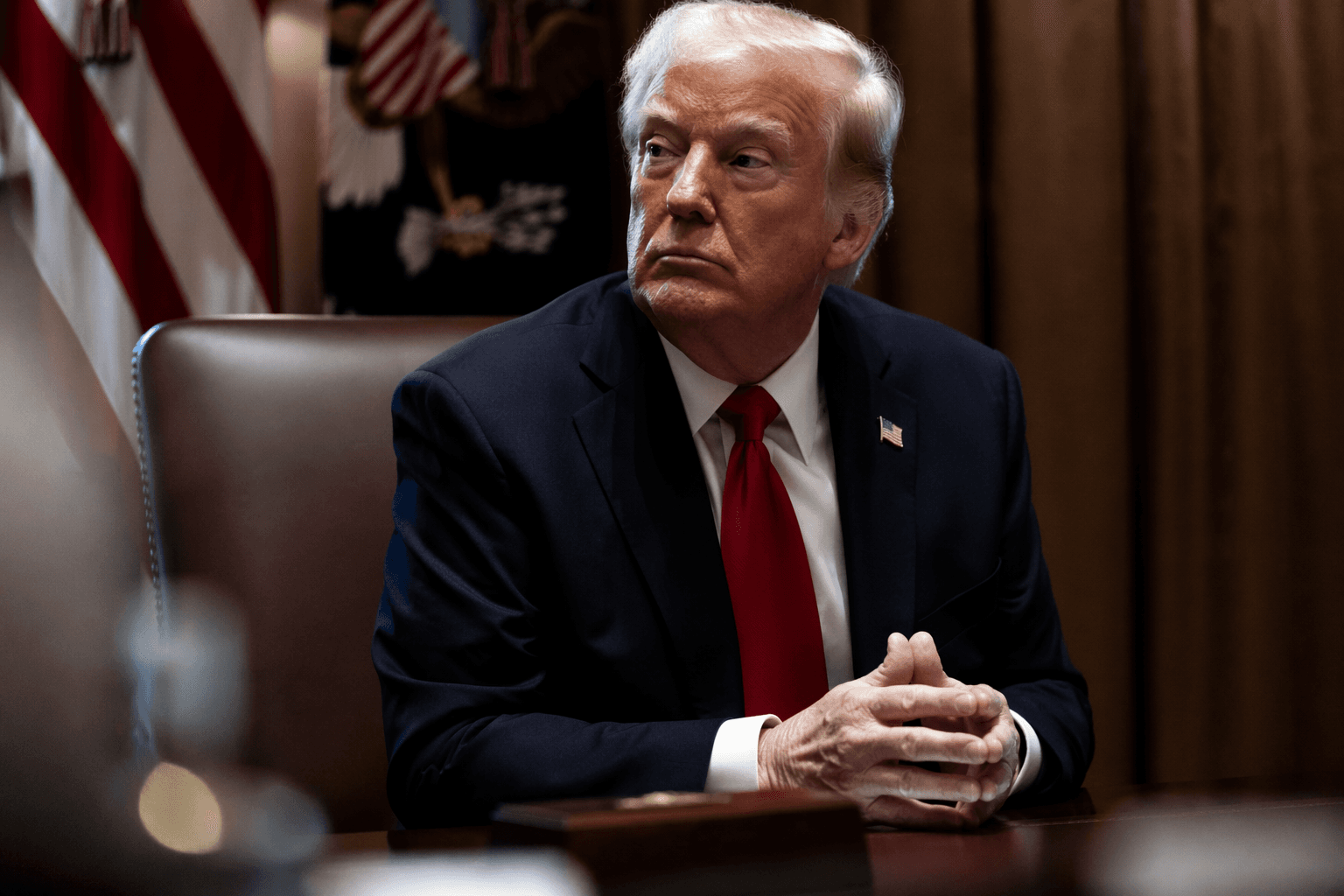
Trump turned from near-certainty to caution in 24 hours, telling U.S. negotiators not to rush even after saying an Iran agreement was “largely negotiated” and would reopen the Strait of Hormuz. The shift matters because it keeps leverage in Washington’s hands, but it also raises the cost of delay for oil traders, regional security and the credibility of any deal Trump says is close.
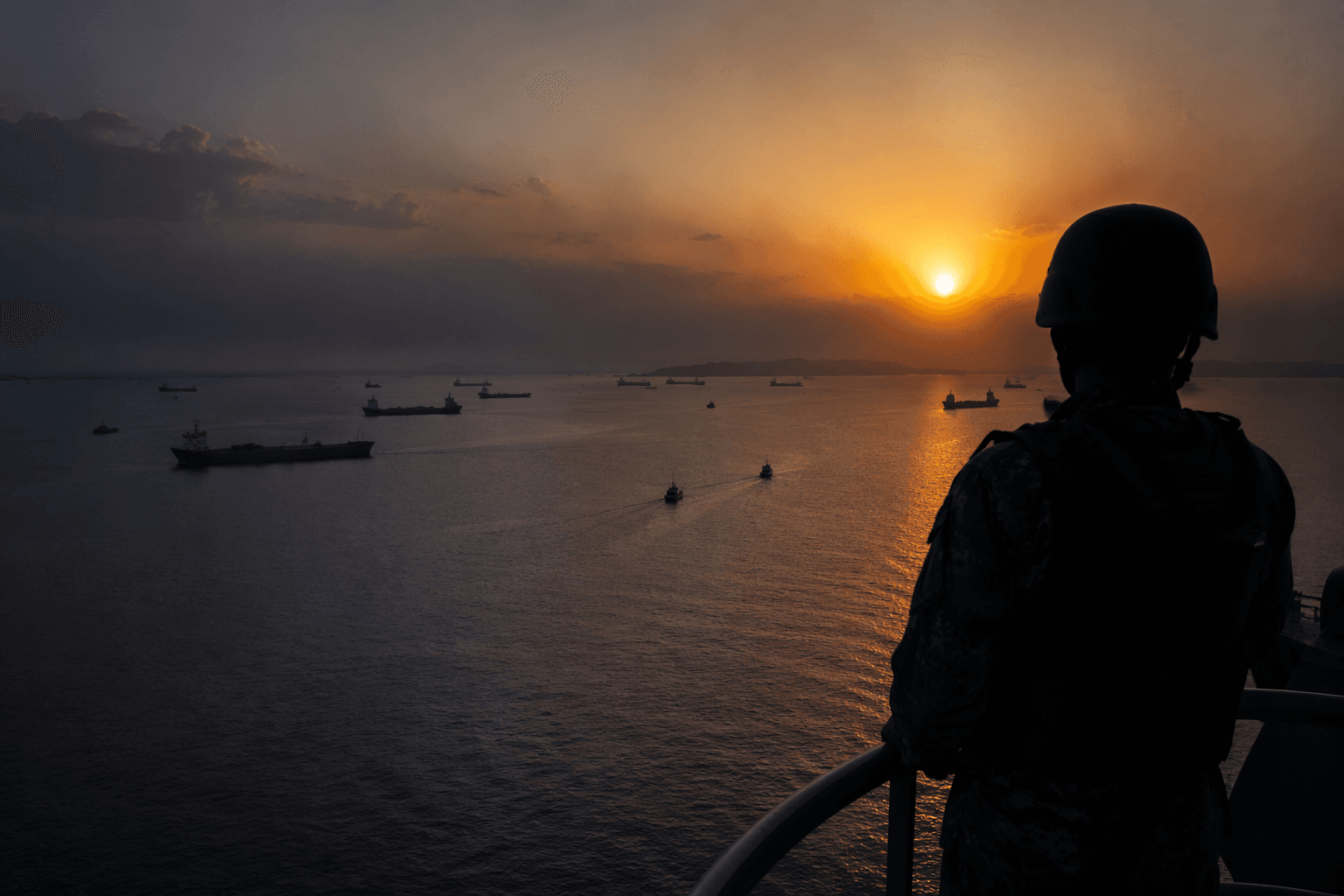
The framework now described is not a final treaty but a memorandum of understanding, with broader talks expected 30 to 60 days later. The package under discussion would reopen the Strait of Hormuz and require Iran to give up its stockpile of highly enriched uranium, though Tehran has not publicly committed to surrendering that material. Trump said both sides should “take their time and get it right,” while also saying the U.S. blockade on Iranian ships in the strait would remain in force until an agreement is “reached, certified, and signed.”
That sequencing suggests the White House is trying to preserve bargaining power even as it signals progress. By slowing the process, Trump can keep pressure on Iran, avoid locking in a weak first-stage accord and lower expectations if final terms slip. It also leaves room for internal debate inside his team, because the public message moved from imminent breakthrough to deliberate pause in a single day.
The delay carries immediate market consequences. Oil prices fell 5% as traders tracked the U.S.-Iran talks, a reminder that the Strait of Hormuz remains one of the world’s most important energy chokepoints. Any prospect of reopening the waterway can ease crude prices, but any sign that talks may stall can quickly reverse that relief. With the U.S. blockade still in force, markets are being asked to price both de-escalation and renewed confrontation at the same time.
The broader backdrop is a three-month-old war that began after U.S. and Israeli strikes on Iran on Feb. 28, 2026. That makes every signal around Hormuz more than a technical diplomatic detail: it is a test of whether Washington can convert battlefield pressure into a durable settlement. Iranian-linked Fars news called Trump’s remarks about the strait “inconsistent with reality,” underscoring how far apart the two sides remain on what any reopening would actually mean.
Trump’s warning against rushing also carries a political echo. He withdrew the United States from the 2015 Iran nuclear deal in 2018, and he has made clear he wants any new arrangement to look nothing like that accord. If this deal survives the next 30 to 60 days of follow-on talks, it could mark a major reset. If it does not, the pause will have bought time, but not peace.
Know something we missed? Have a correction or additional information?
Submit a Tip