Trump urges Netanyahu not to retaliate as Israel strikes Iran
Trump tried to stop Netanyahu from retaliating even as Israel struck Iran, exposing how little leverage Washington has over a war that could jolt oil and U.S. forces.
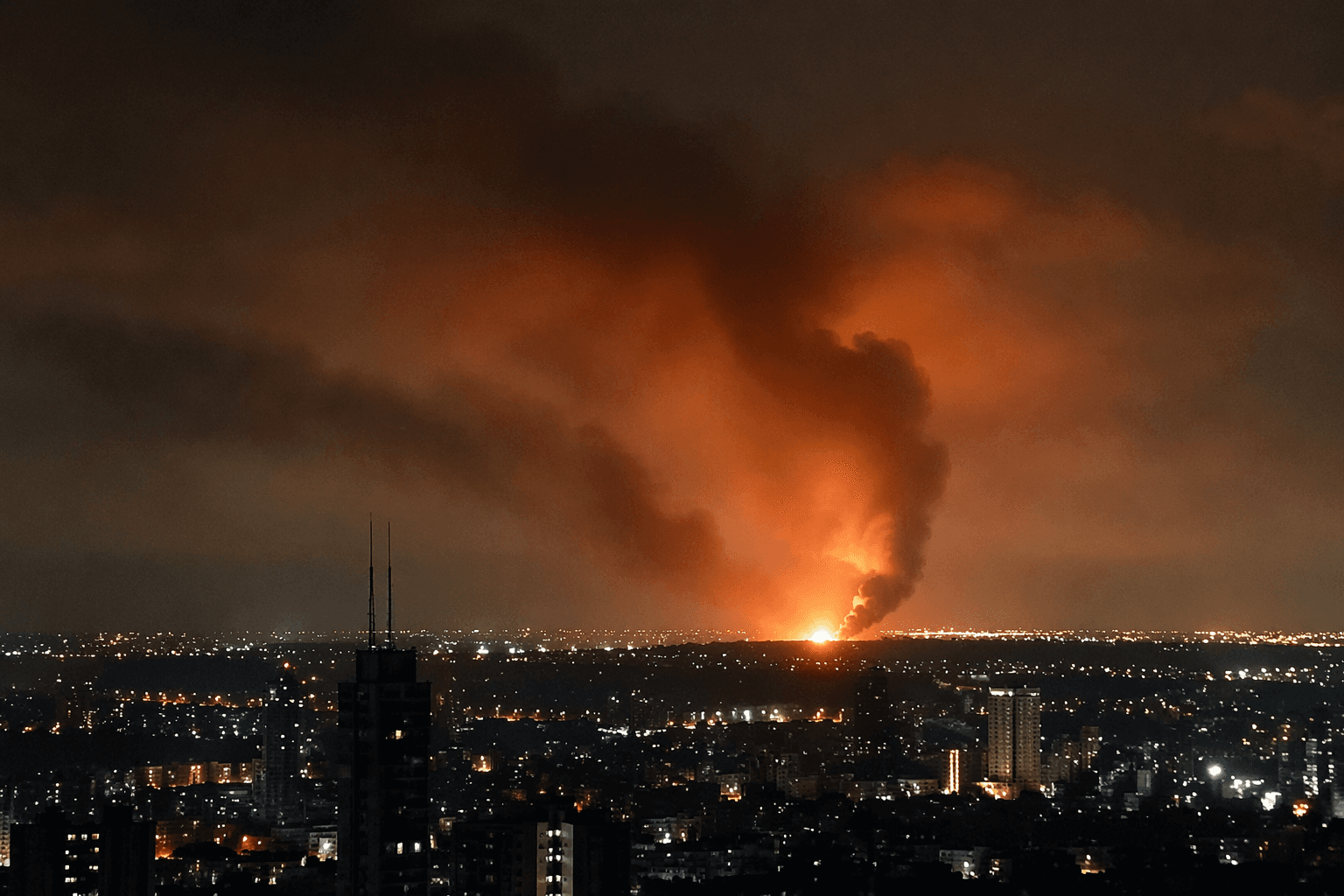
Donald Trump moved to head off another Israeli response to Iran after a missile exchange, saying he would call Benjamin Netanyahu and tell him not to retaliate. Hours later, Israel struck central and western Iran anyway, a sharp reminder that public restraint from Washington does not always translate into control on the ground.
Axios reported that Trump said, “I am going to call Bibi right now and tell him not to retaliate,” adding that both sides had already “had their fun” and “We don’t need another one.” He also said the United States was “very close to a final deal with Iran” and warned that the fighting could blow up the talks. That combination of urgency and caution pointed to a White House trying to contain a regional escalation before it spread beyond Israel and Iran.
The Israeli strikes hit early Monday, with Iranian state television reporting explosions in Isfahan, Tabriz, Karaj and Tehran. The attack followed Iran’s launch of about 10 missiles at northern Israel, which caused no Israeli casualties, according to The Times of Israel. The latest exchange landed in the middle of a ceasefire that had been in place since April 8 and had already been strained by Israel’s earlier strike on Beirut and renewed fighting tied to Lebanon and Hezbollah.
The wider war is now 100 days old. AP-based reporting said it began on Feb. 28, when U.S. and Israeli strikes killed Iran’s supreme leader, Ayatollah Ali Khamenei, and other senior Iranian figures. Since then, the conflict has repeatedly tested the limits of American influence, even as Trump has pressed Netanyahu to leave room for diplomacy.
That pressure has been unusually blunt. Reports said Trump told Netanyahu he “doesn’t call the shots” in the Iran talks and would have “no choice” but to accept a U.S.-Iran deal if one is reached. Yet Israel’s decision to strike after Trump’s plea showed the gap between private leverage and wartime autonomy. Washington can argue, threaten and mediate, but it cannot guarantee that Netanyahu will follow its lead.
The stakes are broader than the immediate battlefield. Iran has continued to threaten shipping in the Strait of Hormuz, a corridor that carries a fifth of traded oil and natural gas in peacetime. Any widening conflict would threaten energy markets, raise shipping risk and increase pressure on U.S. forces in the region, while also turning a Middle East crisis into a domestic political problem if fuel costs climb and the White House is seen as losing control of events.
This article was produced by Prism’s automated news system from verified source data, official records, and press releases, then run through automated quality and moderation checks before publishing. The system is built and supervised by the people who set the standards it runs under. Read our full AI policy.
Know something we missed? Have a correction or additional information?
Submit a Tip