Xi Jinping visits North Korea as Beijing seeks influence over Kim Jong Un
Xi Jinping arrived in Pyongyang for his first trip in nearly seven years, after Kim Yo Jong dismissed U.S. denuclearization demands as an “anachronistic dream.”

Xi Jinping’s rare trip to North Korea is a strategic signal, not a courtesy call. The two-day visit, running June 8-9, is Xi’s first in nearly seven years and comes after Kim Jong Un’s own trip to Beijing in September 2025, when the two leaders met face to face for the first time in more than six years.
The timing matters. Just before Xi arrived, North Korea unveiled a new uranium-enrichment facility on June 4, which South Korea’s military assessed as a uranium enrichment plant. A day later, Kim Yo Jong called U.S. demands for denuclearization an “anachronistic dream,” underscoring that Pyongyang entered the summit with its nuclear posture hardened, not softened.
For Beijing, the visit is about influence and control. China wants North Korea stable, wants to preserve leverage against Washington, and does not want Russia to become the dominant external patron in Pyongyang. That concern has sharpened since Kim sent troops in 2024 to support Russia’s war in Ukraine, a move that deepened ties between North Korea and Moscow and complicated China’s position.
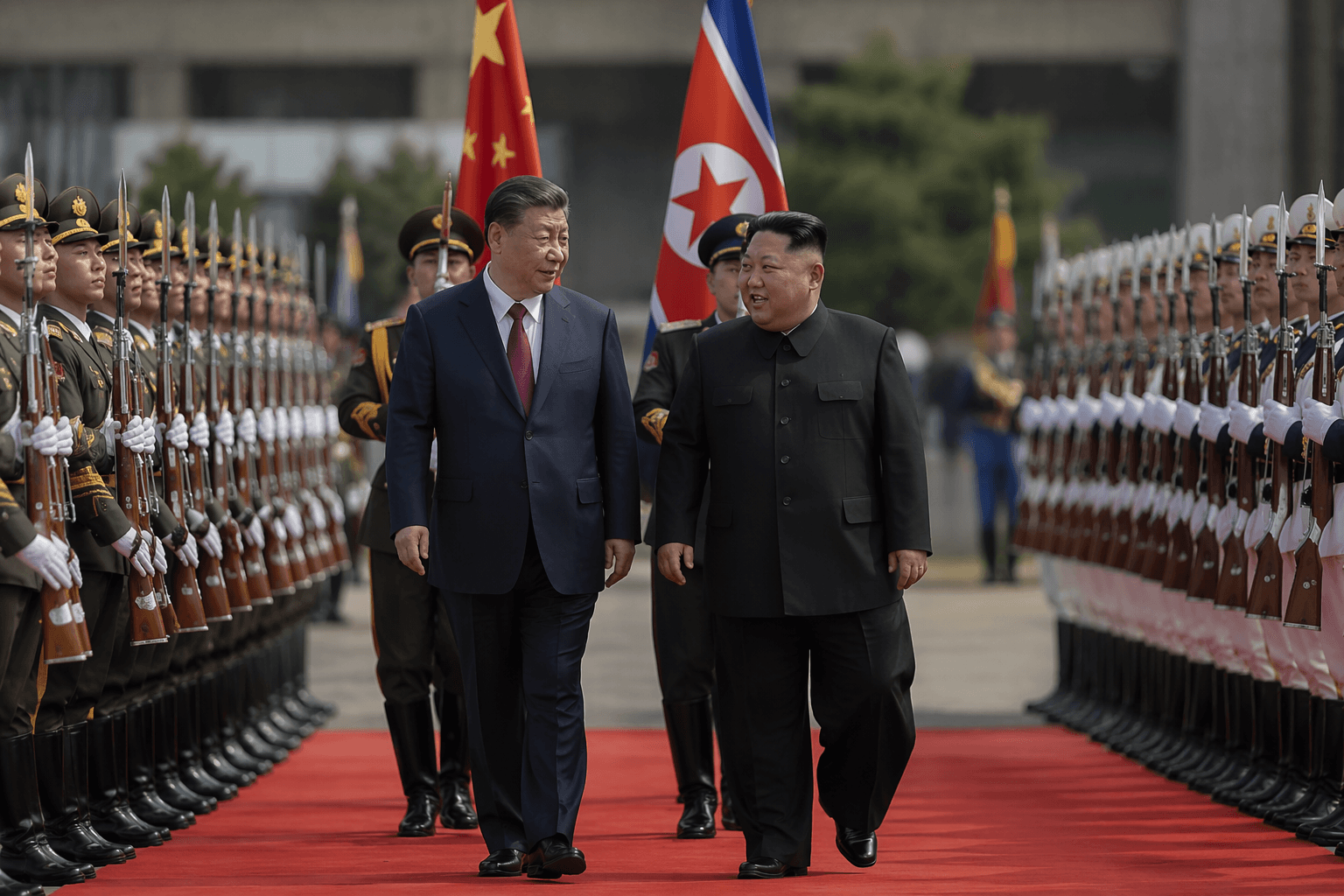
China still holds the strongest economic cards. North Korea depends on China for roughly 95% of its legitimate trade, giving Beijing leverage that Russia cannot easily match. The practical relationship has also warmed: passenger train service to Pyongyang resumed on March 12-13, and Air China restarted direct Beijing-Pyongyang flights on March 30 after years of suspension. Those links suggest the relationship is being rebuilt not only in diplomatic language, but in logistics.
That gives Xi room to press Kim for restraint without abandoning the core bargain. Pyongyang may try to use the summit to seek economic concessions and perhaps Beijing’s tacit recognition of North Korea’s nuclear status. China, by contrast, has every reason to keep the issue ambiguous enough to maintain pressure on Washington while avoiding a collapse that could send refugees, instability, or a security crisis across its border.
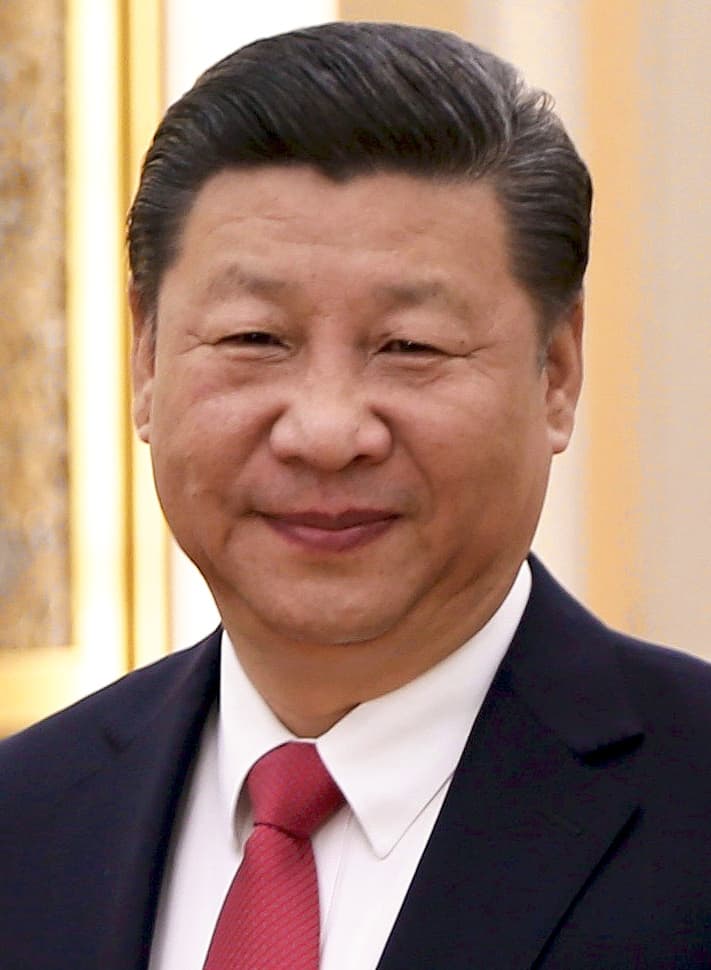
The broader balance in Northeast Asia is shifting. North Korea is extracting room to maneuver between China and Russia, while the United States faces a more complicated deterrence problem against a sanctioned state that is showing off nuclear infrastructure and rejecting denuclearization outright. Xi’s visit is an effort to make sure Beijing remains the indispensable power in that equation.
This article was produced by Prism’s automated news system from verified source data, official records, and press releases, then run through automated quality and moderation checks before publishing. The system is built and supervised by the people who set the standards it runs under. Read our full AI policy.
Know something we missed? Have a correction or additional information?
Submit a Tip