Trump urges restraint as Israel strikes Beirut suburbs again
Israel struck Beirut’s southern suburbs again as Trump pleaded with all sides not to “blow it,” after three people were killed and 16 wounded.
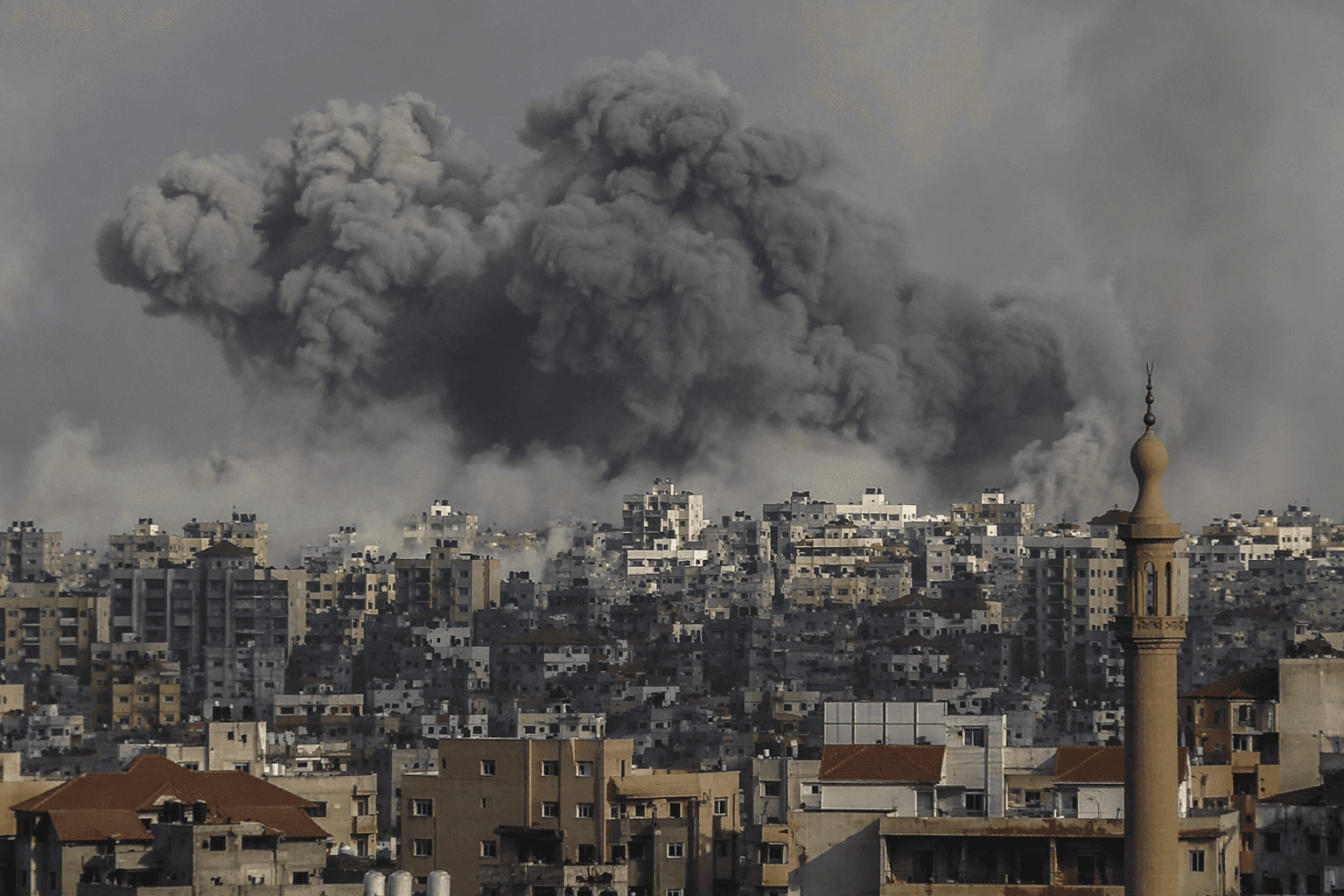
Washington is talking about restraint, but the battlefield around Beirut told a different story as Israeli warplanes hit Hezbollah targets in the capital’s southern suburbs again and smoke rose over Dahiyeh. Donald Trump said the parties were close to a deal and warned them not to “blow it,” yet the strike killed three people and wounded 16, according to Lebanon’s health ministry.
The latest attack came after Hezbollah fired three projectiles into northern Israel, and Israel said its military was responding. Trump said earlier this month that he had spoken with Israeli Prime Minister Benjamin Netanyahu and, through “highly placed representatives,” with Hezbollah, and claimed both sides had agreed to stop firing. Lebanon’s government said Israel would refrain from strikes on Beirut’s southern suburbs while Hezbollah would halt attacks on Israel. Netanyahu, however, said Israel would strike Beirut if Hezbollah kept attacking and that Israeli operations in southern Lebanon would continue.
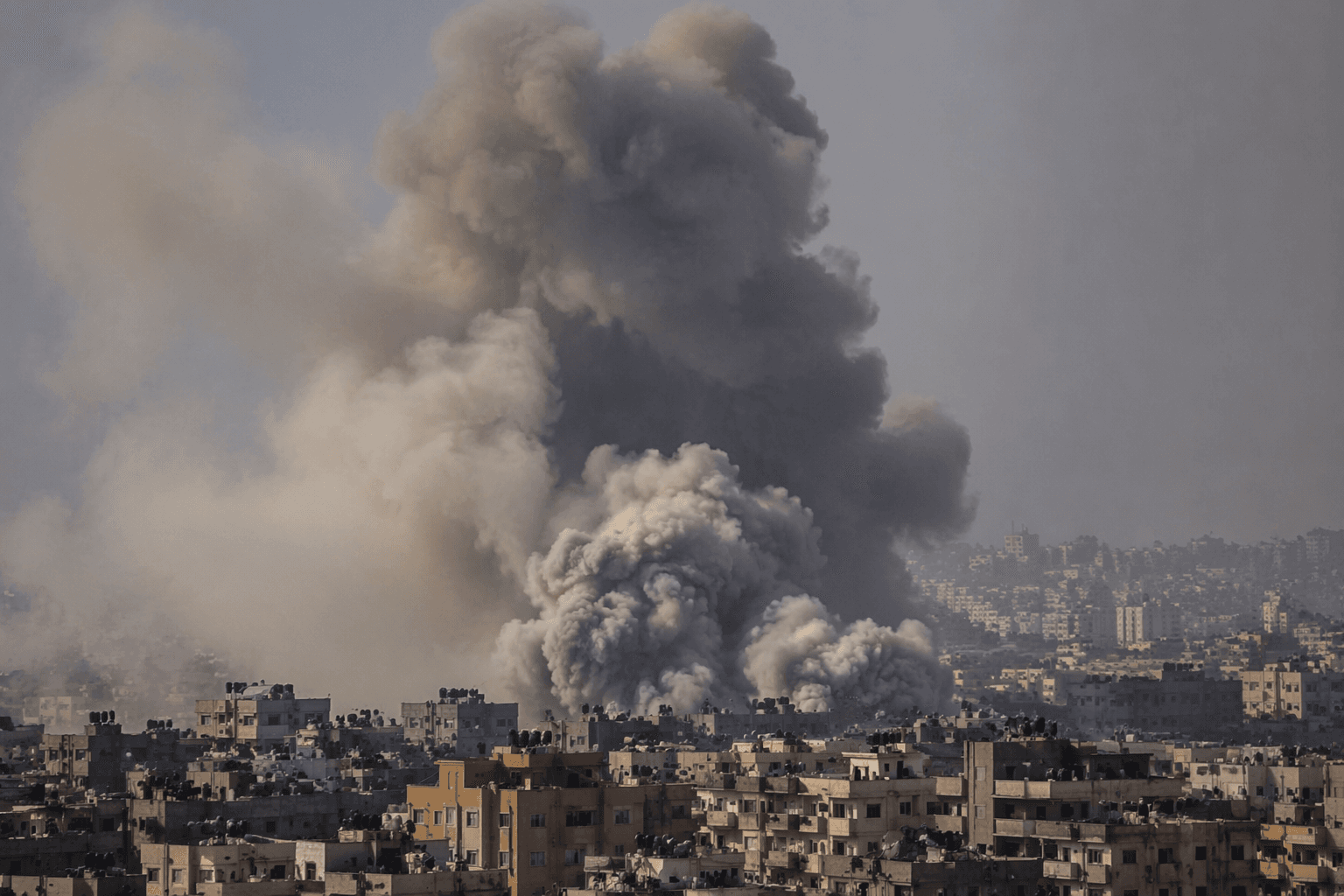
That gap between promises and action is now the central question in the diplomacy: whether U.S. influence over Israel is shaping events in a meaningful way or simply trailing them. Trump has said the emerging agreement could bring peace to the region and Lebanon, and he has suggested it could be signed Sunday, but Iranian officials signaled delays after the Beirut strikes and warned the attacks could jeopardize the final stage of negotiations.
The talks themselves are being led by Pakistan and other mediators, with Israel largely sidelined, while Iran says any ceasefire deal must include Israel’s withdrawal from Lebanon. That demand underscores how tightly the Lebanon front is now tied to the broader regional conflict. If strikes on Beirut continue, the diplomacy risks collapsing under the same firepower it is trying to contain.
The human cost is already severe. AP has reported that more than one million people have been displaced in Lebanon, and Lebanese health officials have put the toll from Israeli attacks in the country at more than 3,412 dead and 10,269 wounded since March 2. The last strike on Beirut’s southern suburbs, a week earlier, set off the most serious escalation of fighting since a tenuous ceasefire took hold on April 7.
For Beirut’s residents, each new hit on the southern suburbs brings another round of fear, evacuation, and strain on hospitals already under pressure. If the ceasefire effort fails, Lebanon could become the next front in a wider war, with civilians paying the price while diplomats race to catch up.
This article was produced by Prism’s automated news system from verified source data, official records, and press releases, then run through automated quality and moderation checks before publishing. The system is built and supervised by the people who set the standards it runs under. Read our full AI policy.
Know something we missed? Have a correction or additional information?
Submit a Tip