Trump Uses Truth Social Threats Against Iran as a Dealmaking Tool
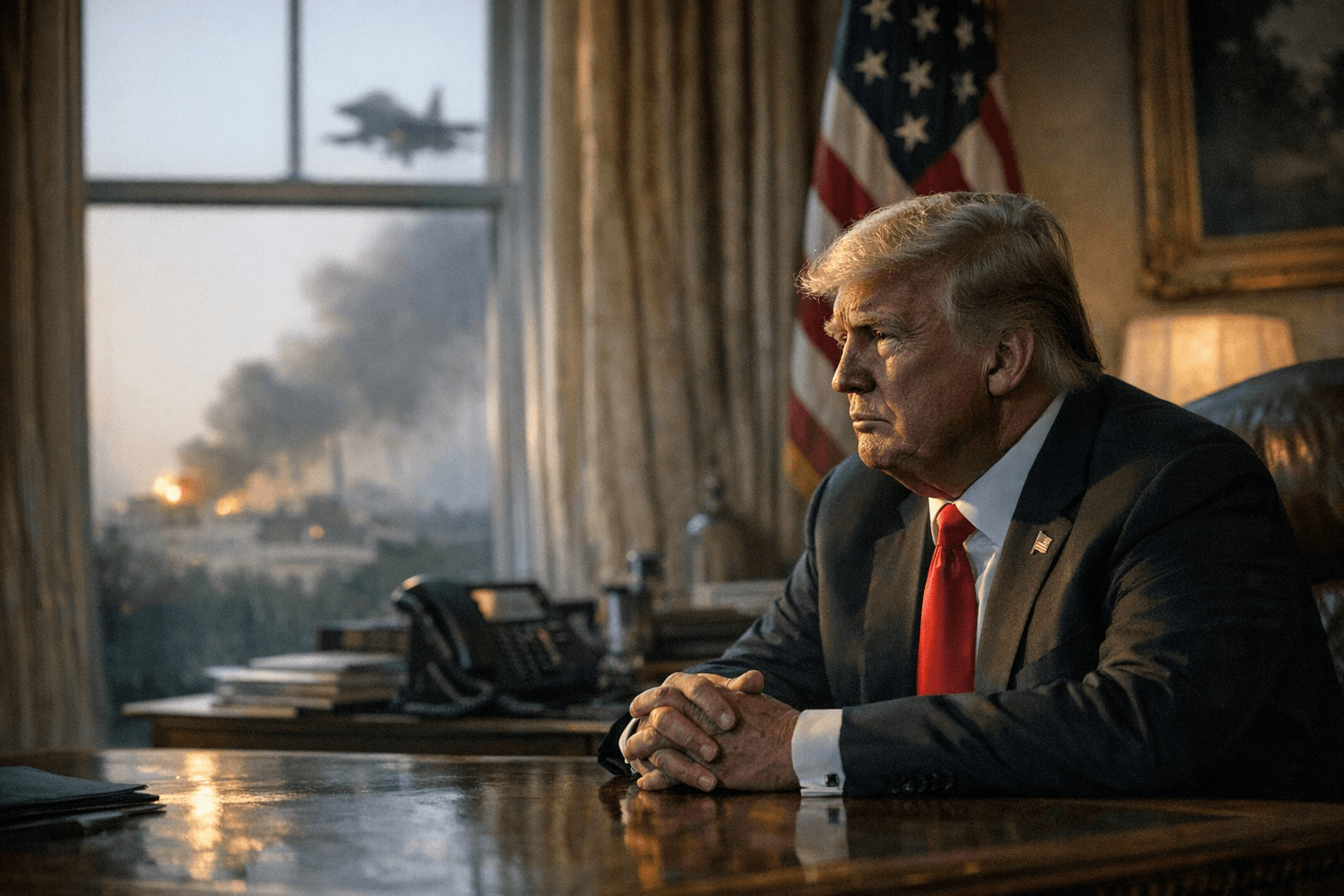
Trump warned "a whole civilization will die tonight" in an April 7 Truth Social post targeting Iran, then agreed to a two-week ceasefire after his 8 p.m. deadline passed.

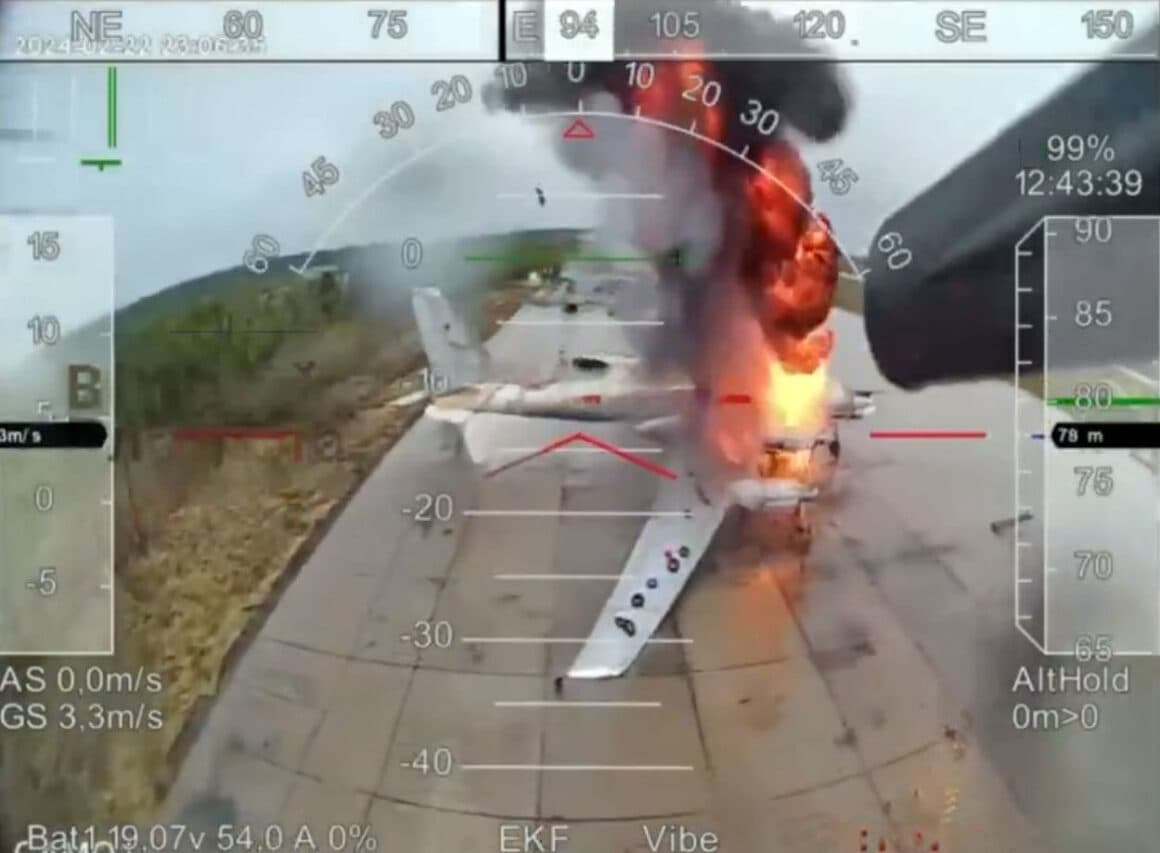
The 8 p.m. Tuesday deadline came and went, and the ceasefire followed. Over three days beginning April 5, President Donald Trump issued escalating threats on Truth Social, warning he would order military strikes on Iran's civilian infrastructure, including power plants, bridges, and water desalination plants, unless Tehran opened the Strait of Hormuz. By April 7, the posts had reached a stark crescendo: "a whole civilization will die tonight, never to be brought back again." By April 8, Trump had agreed to a two-week ceasefire.
The sequence illustrated what analysts at the Atlantic Council described as Trump's unpredictability winning him "leverage at key moments." An EY analysis characterized the approach as strategic rather than impulsive, noting that Trump "historically has walked back from similar threats upon assessing the broader economic impact and financial markets' reaction." The pattern held across at least three separate Iran deadlines, including an initial March 23 cutoff that shifted repeatedly. On March 26, Trump posted "They better get serious soon, before it is too late," only to delay again.
NBC News senior White House correspondent Garrett Haake pressed White House Press Secretary Karoline Leavitt on the legal implications of the Iran posts in a tense Monday briefing room exchange, asking directly why Trump was threatening what critics called a potential war crime. Legal experts and retired military lawyers said striking electricity plants or civilian infrastructure indiscriminately would violate international law. Foreign policy expert Elliott Abrams was blunt: "Obliterating all power plants, threatening coercive actions against the civilian population to try to bring a government to the negotiating table, those kinds of things are flatly illegal." UN spokesman Stéphane Dujarric warned that attacking civilian infrastructure is banned under international law, and Amnesty International Secretary General Agnès Callamard called for "urgent global action to prevent atrocity crimes" after the April 7 post. Yale Law School's Asli Bali was among the international law scholars to weigh in on the legality of the infrastructure threats.
Trump's response when asked whether his posts amounted to war crimes was unequivocal: "You know the war crime? The war crime is allowing Iran to have a nuclear weapon." Iran's foreign ministry countered that negotiations were "incompatible with ultimatums and threats to commit war crimes." The White House stated the U.S. would "always" follow international law.
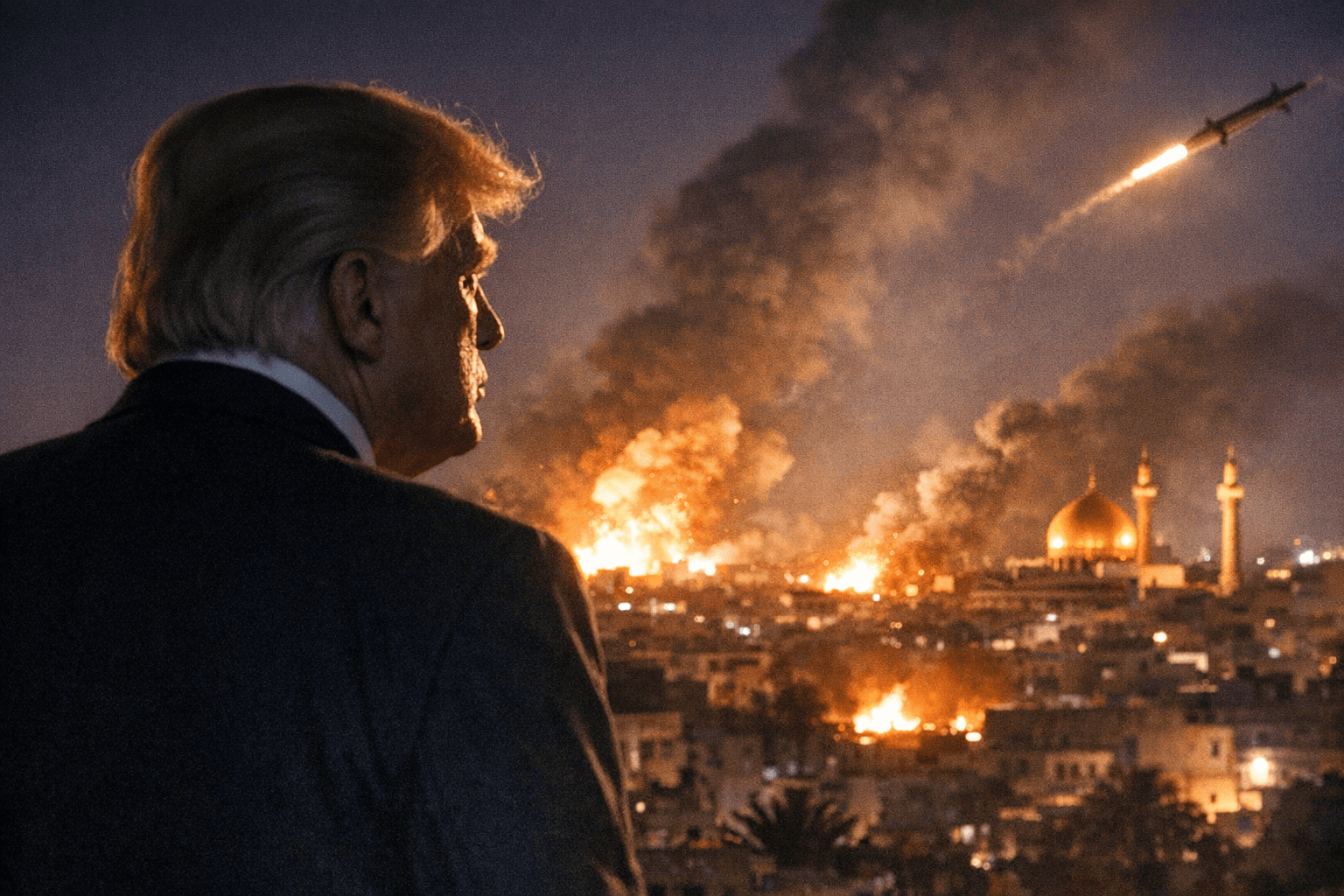
The Iran episode fits a broader pattern in which Trump has used Truth Social as a pressure mechanism outside formal diplomatic channels. He threatened 25% tariffs on Canada and Mexico in 2025, citing illegal immigration and fentanyl. On January 17, 2026, he threatened tariffs of up to 25% on goods from eight European countries, only to retract four days later after claiming a "framework of a future deal" with NATO Secretary-General Mark Rutte. The playbook has precedent: in his first term, tariff threats forced Canada and Mexico to renegotiate NAFTA into the USMCA in 2020.
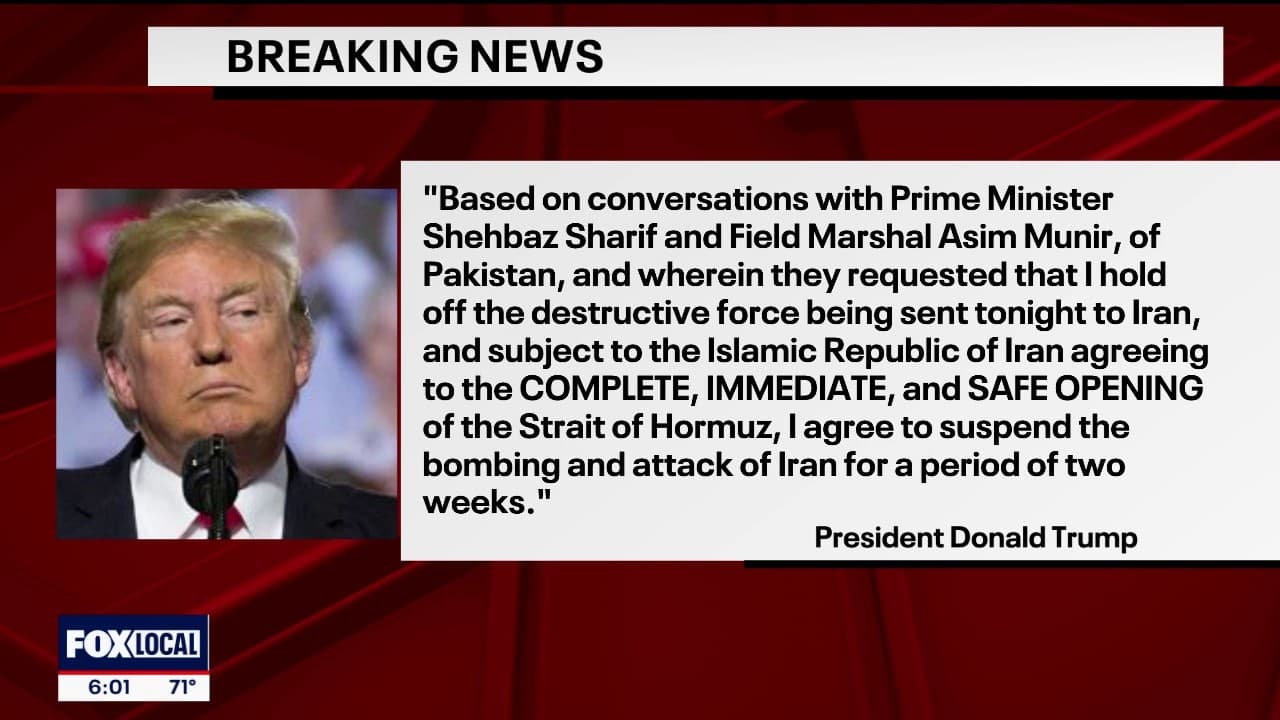
The April crisis unfolded on two tracks simultaneously. Even as his Truth Social posts escalated, Trump claimed Iran was "an active, willing participant" in negotiations and that talks with intermediaries were "going well." Chinese-mediated peace talks were advancing separately, and Pakistan sought a two-week pause in tensions. The ceasefire that followed the April 8 deadline suggested the dual-track approach produced the outcome Trump sought: maximum public pressure, then a deal.
Sources:
Know something we missed? Have a correction or additional information?
Submit a Tip