Trump vows 4–5 week campaign as U.S.-Israeli strikes widen regionally
Israel sends troops into Lebanon as strikes on Iran intensify; nearly 800 reported killed and six U.S. service members dead, while leaders warn the war could spread.

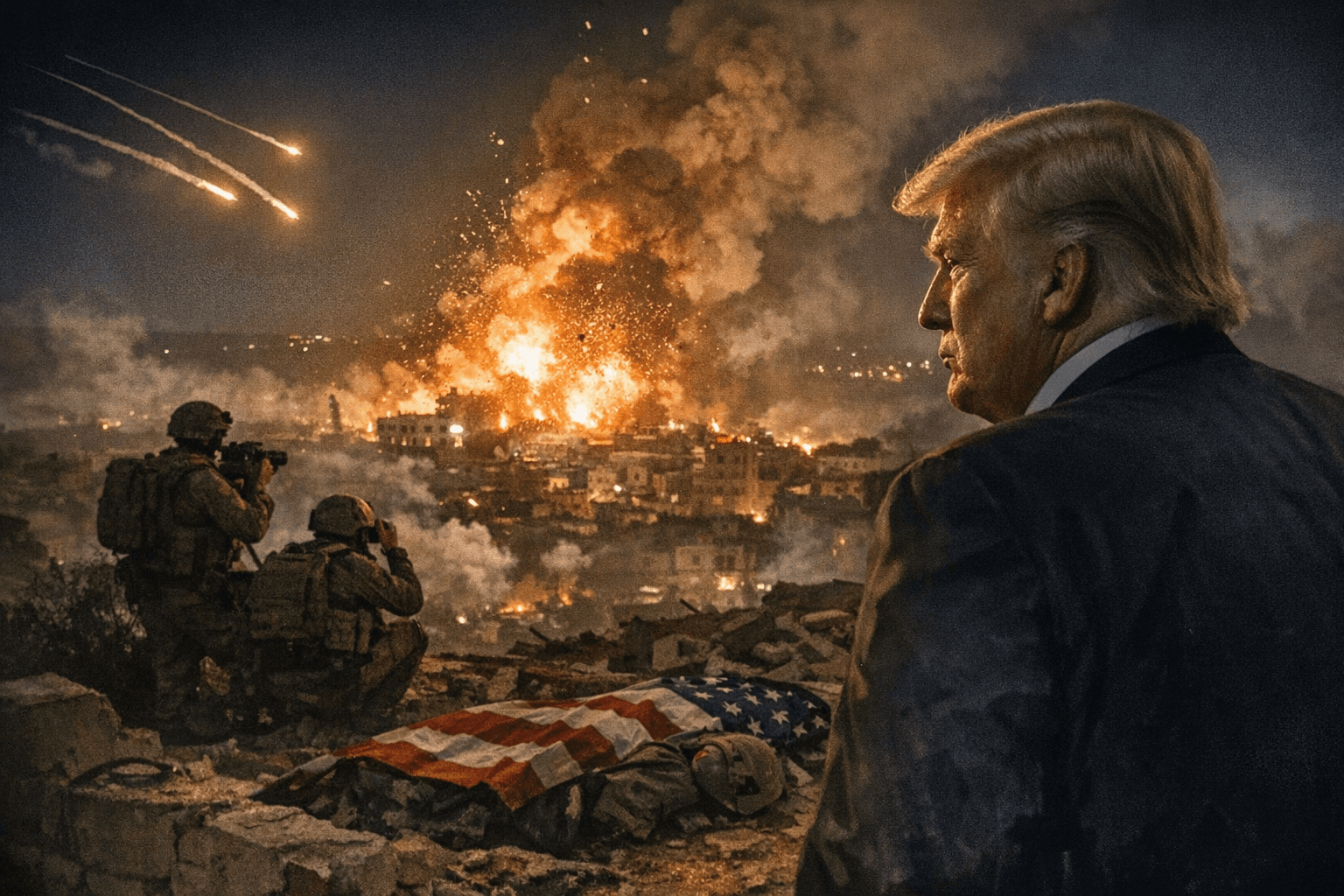
Israel sent troops into Lebanon as U.S.-Israeli airstrikes on Iran intensified and Iranian retaliatory fire spread across the Middle East, officials said, raising fears that Gulf neighbors could be pulled into a widening war. Iranian forces launched dozens of ballistic missiles at Israel and flew drones across the Gulf, one of which reportedly hit the U.S. Embassy in Riyadh, while Hezbollah fired missiles from Lebanon and Israeli strikes struck positions in Beirut.
Officials said nearly 800 people have been killed in Iran after four days of fighting, and Israeli authorities put Israeli deaths at 11; more broadly, officials reported that more than 800 people have been killed in the conflict across the Middle East since Saturday. The U.S. military has confirmed that the death toll for U.S. service members has climbed to six. Israeli authorities said most incoming missiles have been intercepted, even as air travel and shipping routes were disrupted, oil prices spiked and stock markets slumped.
President Donald Trump defended the campaign at a White House event, saying U.S. forces would press the mission with “ferocious, unyielding resolve” to “eliminate the intolerable threat posed by this sick and sinister regime.” He projected an initial timeline of “four to five weeks” for operations while adding “we have the capability to go longer than that” and asserting “we’re already substantially ahead of our time projection.” Trump also characterized the strikes as “our last best chance to strike.”
In a legally mandated notification to Congress, Mr. Trump said the strikes were carried out because of “the threat to the United States” and U.S. forces in the region, to advance U.S. national interests and “in collective self-defense of our regional allies, including Israel.” He warned that “it is not possible at this time to know the full scope and duration of military operations that may be necessary.” The White House provided the notification as strikes and retaliatory attacks continued.
Defense Secretary Pete Hegseth sought to draw a distinction with the president’s comments, rejecting the idea of an “endless” war with Iran. Senior defense officials nonetheless refused to rule out putting American boots on the ground, underscoring persistent uncertainty about the campaign’s scale and endgame.
Turkish Foreign Minister Hakan Fidan criticized Iran’s broader strikes on Gulf mediators, saying Tehran had attacked countries that had worked to prevent war and calling the behavior “an incredibly flawed strategy.” Fidan added that Iran appeared to be following a logic of “If I go, I will take the region with me,” warning that Gulf states could be drawn into direct reprisals if Iran’s strikes continued.
The administration’s stated objectives have included destroying Iran’s missile capabilities, “annihilating its Navy,” preventing Tehran from obtaining a nuclear weapon and stopping the regime from arming and funding proxy forces abroad. Analysts and U.S. officials described those aims as shifting in the early days of the conflict, and some U.S. intelligence officials said assessments of the immediacy of Iran’s threat had been overstated.
For now, the conflict’s human toll and economic fallout are mounting while key questions remain unresolved: precise casualty breakdowns, confirmation of the embassy hit and the full text of the presidential notification to Congress. Regional leaders and diplomats have warned that any further escalation could draw additional states into a broader conflagration.
This article was produced by Prism’s automated news system from verified source data, official records, and press releases, then run through automated quality and moderation checks before publishing. The system is built and supervised by the people who set the standards it runs under. Read our full AI policy.
Did this article answer your question?

