Trump Vows to Rescue Iranian Protesters; Tehran Issues Sharp Retaliation
President Donald Trump posted on Truth Social a blunt warning that the United States "will come to their rescue" if Iranian forces "violently kill" peaceful demonstrators, escalating tensions as unrest spreads across Iran. The exchange raises risks of military confrontation, further destabilizes regional markets already sensitive to supply and political risk, and highlights how a collapsing rial and cost-of-living crisis are fueling domestic instability.
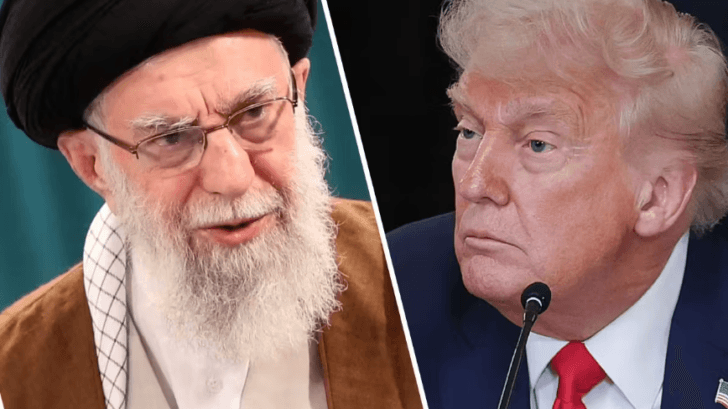
President Donald Trump posted early Friday on Truth Social warning that if Iran "violently kills peaceful protesters," the United States "will come to their rescue," adding, "We are locked and loaded and ready to go." He provided no operational details or legal justification for what that "rescue" would entail, leaving U.S. policy direction unclear at a moment of mounting domestic unrest inside Iran.
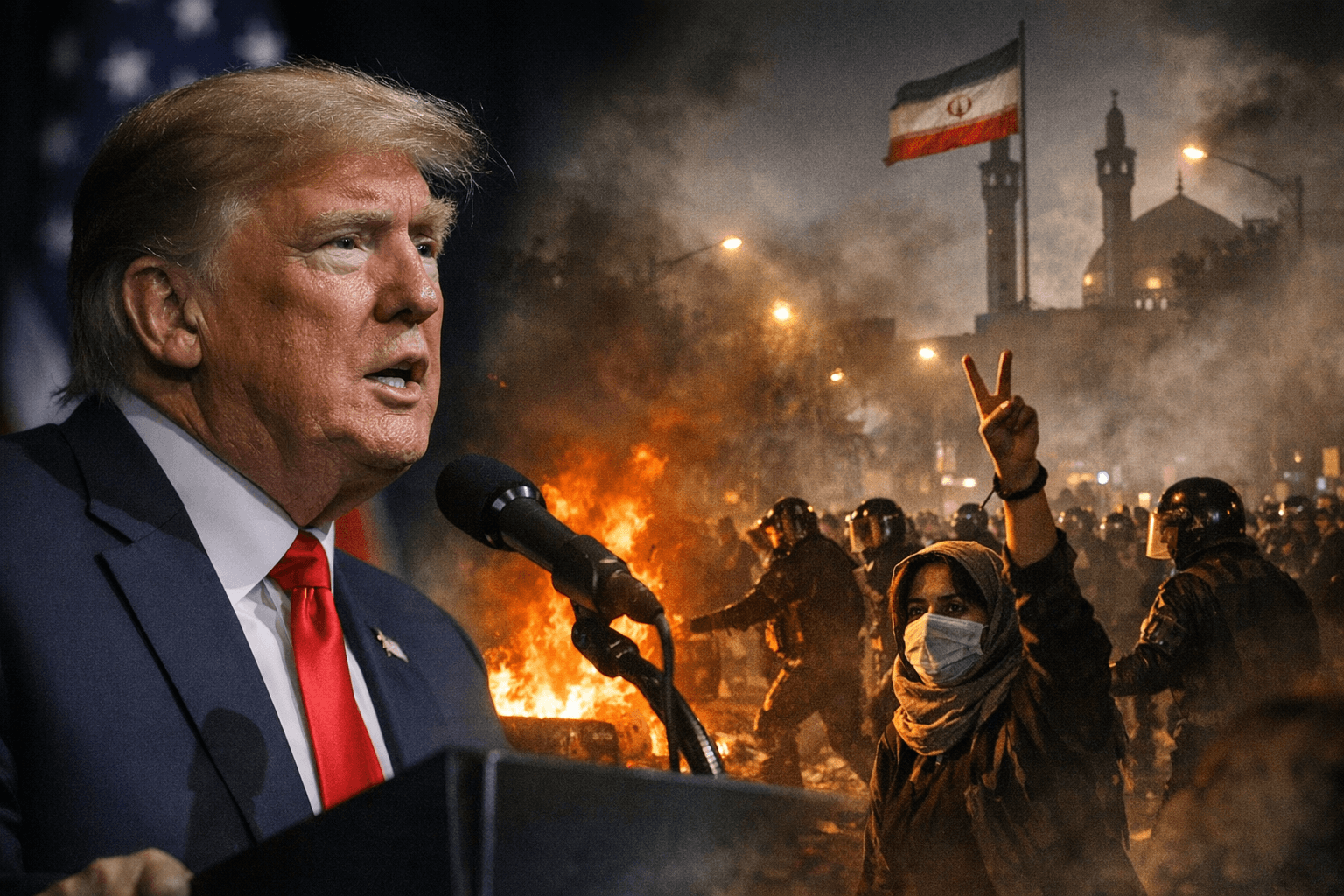
The message came as street demonstrations expanded from Tehran traders into students and wider civic groups, driven by a sharp fall in the value of the rial and acute cost-of-living pressures. Rights groups say security forces have fired on demonstrators, and casualty counts remain contested: Iranian officials and media report six dead, including a paramilitary officer, while other tallies indicate "at least seven" killed and multiple injured in clashes on Thursday. Iran's elected president, Masoud Pezeshkian, has pledged dialogue with protest leaders over the economic crisis, but the security response has intensified public alarm.
Senior Iranian officials answered publicly and sharply. Ali Shamkhani, an adviser to Supreme Leader Ayatollah Ali Khamenei and a former long-serving security official, warned on social media that "any interventionist hand that gets too close to the security of Iran will be cut." He added, "The people of Iran properly know the experience of 'being rescued' by Americans: from Iraq and Afghanistan to Gaza," invoking historical regional conflicts as a cautionary tale. Another senior security figure warned U.S. interference would produce "chaos," and other Iranian statements framed U.S. forces as potential "legitimate targets" should American actions cross perceived red lines.
The public exchange follows a pattern of increased friction since U.S. strikes on Iranian nuclear sites in June, and it sharpens a cycle in which domestic unrest and international confrontation feed one another. For Washington, the vagueness of a "rescue" threat poses legal and operational questions: whether intervention would be diplomatic pressure, covert assistance to dissidents, or kinetic military action. Any kinetic response would risk direct clashes with Iranian forces and invite reprisal against U.S. bases and personnel in the region, raising the prospect of wider escalation.
Markets and investors are watching closely. Political shocks in the Middle East typically translate into commodity and currency volatility, raising the risk premium on oil and increasing pressure on trading counterparties and regional bond spreads. For Iran, the collapse of the rial has eroded household purchasing power, intensifying protests that are as much economic as they are political. If unrest continues, capital flight, sanctions recalibration, and disruptions to energy exports could impose longer-term costs on the Iranian economy and complicate global energy markets.
The confrontation also underscores a longer-term trend: persistent domestic economic malaise in Iran combined with a more assertive U.S. posture has produced periodic spikes in cross-border tension. Absent clear diplomatic channels or a change in economic conditions, the interplay of protests, hardline security responses, and external threats could harden positions on both sides, narrowing space for de-escalation and increasing the likelihood that domestic unrest becomes entangled with regional military risk.
This article was produced by Prism’s automated news system from verified source data, official records, and press releases, then run through automated quality and moderation checks before publishing. The system is built and supervised by the people who set the standards it runs under. Read our full AI policy.
Did this article answer your question?