Trump Warns Iran: Accept Defeat or Face Unprecedented Military Strikes
White House press secretary Karoline Leavitt warned Wednesday that Trump is "prepared to unleash hell" on Iran if Tehran refuses to accept a 15-point U.S. peace plan.

President Trump does not bluff, and he is prepared to unleash hell." With those eleven words, White House press secretary Karoline Leavitt opened Wednesday's briefing in the James Brady Press Briefing Room, drawing the sharpest line yet in an active U.S.-Israeli war against Iran now entering its fourth week.
Leavitt's warning carried a dual message: the administration prefers a negotiated end, but Tehran has no room left to stall. "The president's preference is always peace. There does not need to be any more death and destruction," she told reporters, before pivoting immediately to the threat. "If Iran fails to accept the reality of the current moment, if they fail to understand that they have been defeated militarily and will continue to be, President Trump will ensure they are hit harder than they have ever been hit before."
She also catalogued what the White House characterized as the cost of Iran's earlier decisions. "Iran should not miscalculate again," Leavitt said. "Their last miscalculation cost them their senior leadership, their navy, their air force and their air defense system." Those claims reflect the administration's own assessment of damage inflicted and have not been independently corroborated.
The backdrop to the briefing is a diplomatic situation as tangled as the military one. The Trump administration transmitted a 15-point peace plan to Iran through Pakistan, according to sources who spoke to ABC News. Iran's state-run Press TV quoted an official flatly rejecting the proposal, and officials in Tehran publicly denied that any negotiations have taken place at all. Yet a senior Iranian official told Reuters on Wednesday that Iran was still reviewing the U.S. proposal, despite an initial negative response, suggesting a gap between Tehran's public posture and its internal deliberations.
Pakistan and Egypt both offered to host direct talks, and a Pakistani official indicated that an in-person meeting in Islamabad was being considered, though nothing had been finalized. Pakistan, Turkey, and Egypt have all been cited as active mediators. Leavitt pushed back against speculation about an imminent breakthrough. "I've seen a lot of speculation and reporting about potential talks that could happen later this week," she said. "Nothing should be deemed official until it is announced formally by the White House."
Trump himself disclosed Tuesday that the U.S. negotiating team includes Vice President JD Vance, Secretary of State Marco Rubio, White House special envoy Steve Witkoff, and his son-in-law Jared Kushner, alongside the president himself.
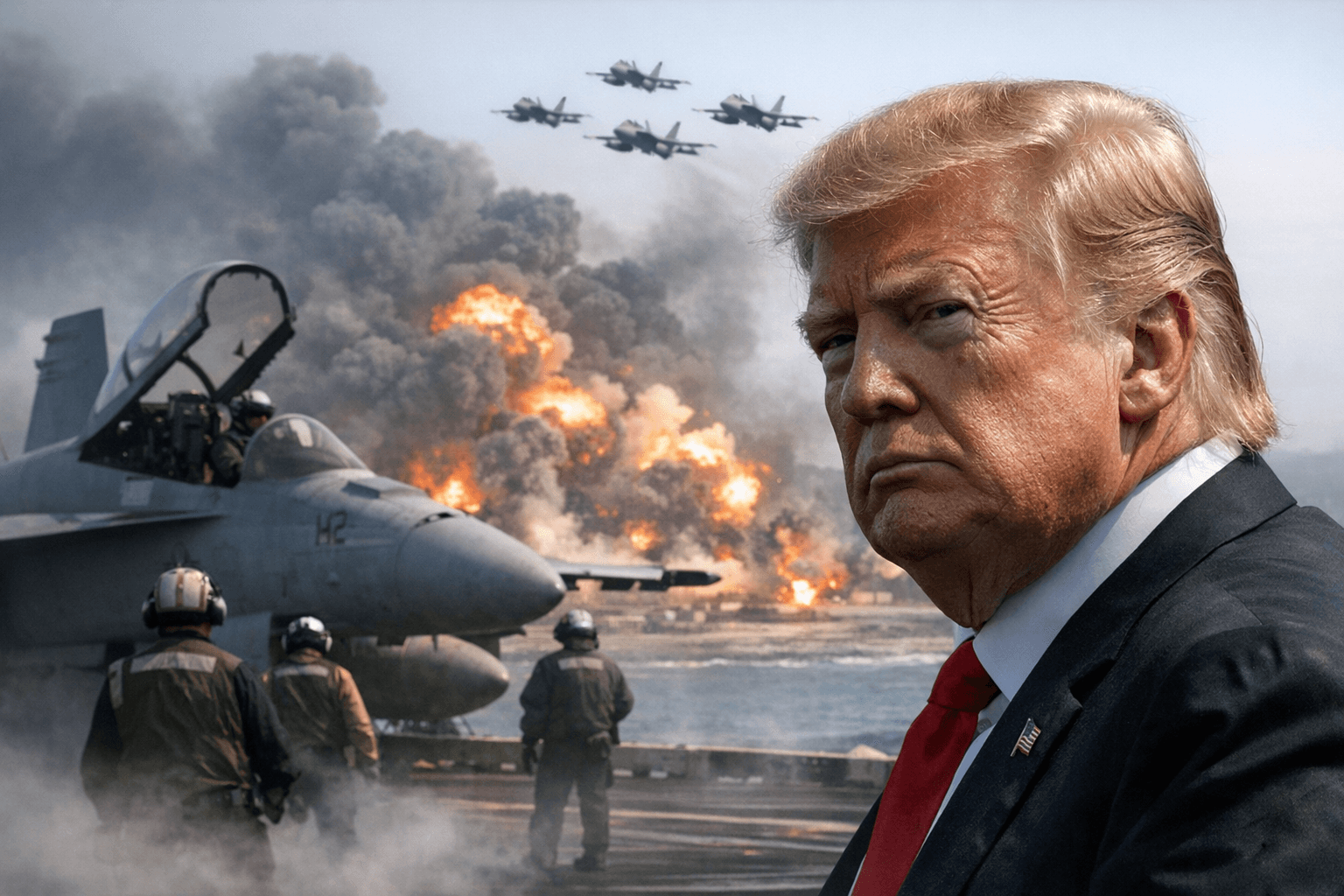
The military dimensions of the conflict extend well beyond the current exchange. Reports indicate the 82nd Airborne has deployed to the Middle East. CBS News reported that much of Iran's stockpile of enriched uranium is believed to be buried inside the Isfahan Mountain complex, and Trump administration sources told CBS the president is strategizing ways to seize those nuclear stockpiles. The possibility of ground operations and the seizure of Kharg Island have also been floated in coverage of U.S. strategic planning.
On Capitol Hill, the Senate rejected the latest Democratic effort to restrict Trump's war powers related to Iran. Democrats vowed to continue forcing votes and said they would seek public testimony from administration officials about the conflict's direction.
The war's economic reach is already widening. Fuel prices have surged since the conflict began, and analysts note the disruption could accelerate clean energy adoption while providing an unexpected competitive opening for Chinese electric vehicle manufacturers. Iran's reported blockade of the Strait of Hormuz has compounded the pressure on global shipping, prompting the U.S. Postal Service to announce a temporary fuel surcharge on some postage prices.
Leavitt left no ambiguity about where Washington places responsibility for what comes next. "Any violence beyond this point," she said, "will be because the Iranian regime refused to understand they have already been defeated and refused to come to a deal.
Know something we missed? Have a correction or additional information?
Submit a Tip