Iranians Celebrate Nowruz Amid Government Crackdowns, Fear, and Defiance
A Tehran shopkeeper said it was "really dangerous" to celebrate Chaharshanbe Suri as U.S.-Israeli strikes that have killed more than 1,400 Iranians overshadow Nowruz.
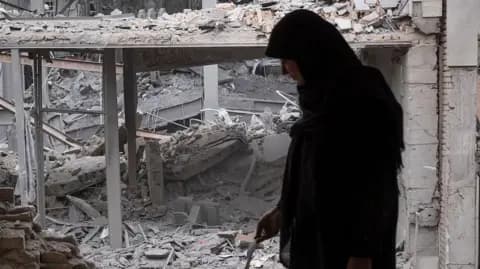
Perhaps this dark night will finally give way to dawn," an Iranian woman said as she cleaned her home for Nowruz. It was a quiet act of ritual amid the wreckage of war.
Operation Epic Fury, which began on February 28, 2026, is the U.S. code name for its joint military operations with Israel against Iran. U.S. and Israeli forces launched nearly 900 strikes in 12 hours on that opening day, killing Supreme Leader Ali Khamenei and dozens of other officials, but also about 170 civilians when a missile struck a girls' school near Bandar Abbas. Now, 26 days into the bombardment, Iranians were attempting to mark their new year under conditions none had seen in living memory.
The war had killed 1,444 people in Iran, including at least 204 children, by March 21, according to Al Jazeera's casualty tracker. Air defenses were activated over Tehran and nearby areas following reports of explosions as the country celebrated the first day of the Persian new year, Nowruz.
Normally, preparations for Nowruz would have been well underway for weeks. Instead, security forces banned gatherings for the holiday. Following the February 28 strikes, there was a renewed near-total internet blackout in Iran, with NetBlocks reporting internet connectivity dropping to 4 percent of ordinary levels. As of March 6, internet traffic measured at about 1 percent of normal connectivity, and as of March 24, the shutdown was still ongoing. Despite the blackout, some messages were still reaching the outside world, and in them, Iranians described their fear but also defiance.
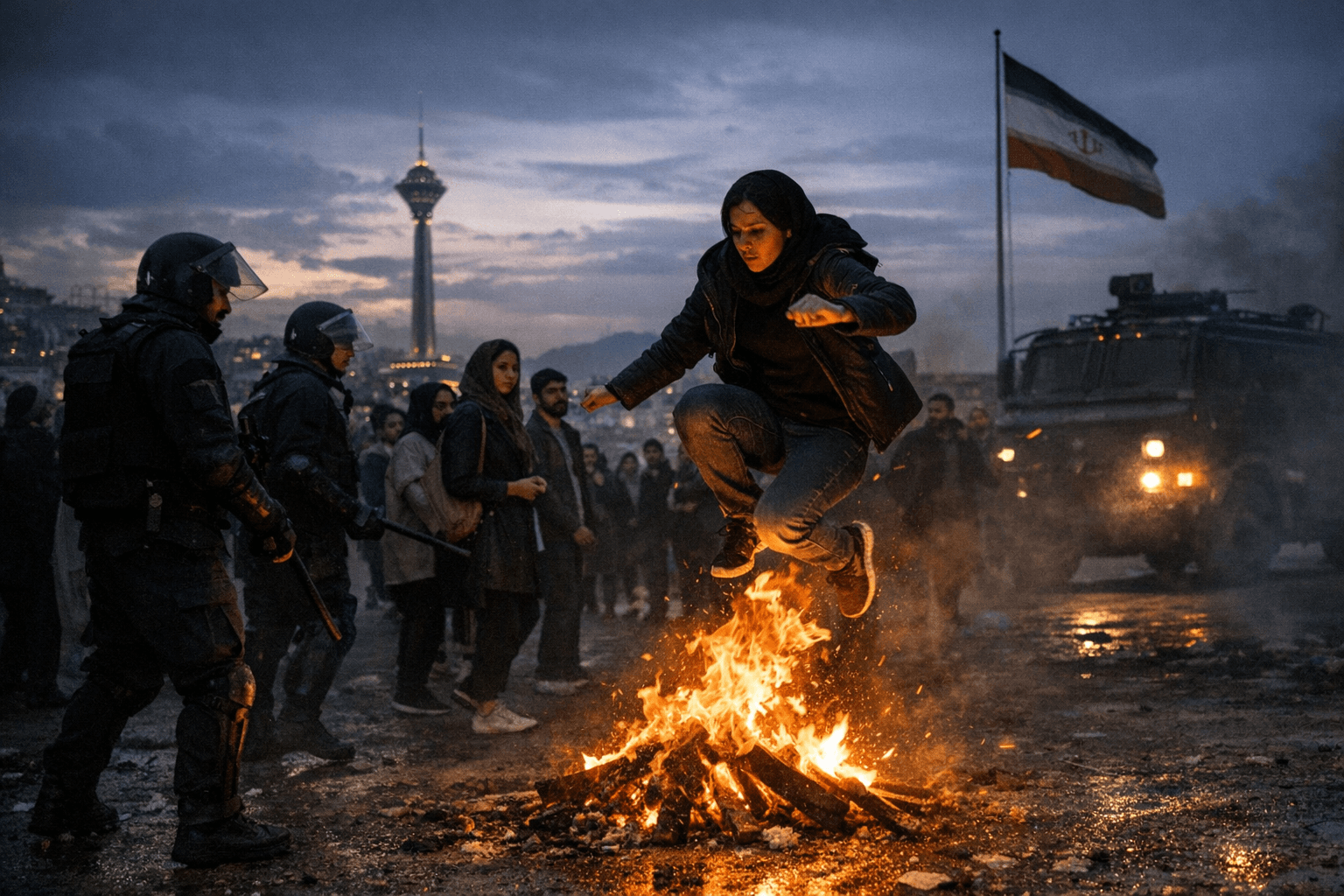
A 35-year-old Tehran shopkeeper wrote on March 17: "I think it is really dangerous. My wife really wanted us to go to a friend who has a garden in the suburbs and celebrate but I do not think it is wise." His family had wanted to mark Chaharshanbe Suri, the festival of fire celebrated on the last Tuesday before the new year. The flames never came. Al Jazeera's correspondent in Tehran reported that the government had issued instructions against the traditional public celebrations, the street fires and the singing and dancing that Iranians had observed for thousands of years. "That didn't happen," he said.
Thousands did gather in the capital for Eid al-Fitr prayers, but those celebrations were overshadowed by mourning. The supreme leader, who was killed in the opening salvo of Operation Epic Fury, had issued a written New Year statement before his death calling U.S. and Israeli campaigns "a gross miscalculation" and declaring that assassinations of Iranian officials "have only created more unity among the Iranian people instead of toppling the government."
For Iranians in the diaspora, the holiday carried its own particular grief. Iranians abroad reported being unable to connect with family members inside Iran or access the Iranian intranet. Shayan Ghadimi's mother had returned to Iran from Paris when nationwide protests erupted at the end of 2025 to witness the uprising firsthand. Her absence, and the family's struggle to stay in touch through the bloody crackdown that followed and now the war itself, hung over everything.
In Paris, makeup artist Shakiba Edighoffer was grocery shopping for Nowruz when she described being on a "kind of emotional roller coaster" as the war raged. A woman in her circle, speaking on condition of anonymity for fear of reprisals, described the psychological toll of the past weeks: "You hear news about this or that leader of the Islamic Republic being eliminated … about executions or bombings." The traditional family shopping trip to the market, about 9 kilometers away, was out of the question. So for the Haft-Seen, the central new year spread involving seven symbolic items including garlic, vinegar, sumac, apples and sprouting greens, she used whatever was available at home. When her mother protested, "Why do you want to set it up, just forget it!" the family made do anyway, determined to distract from the grim mood.
The economic spiral that triggered protests on December 28, 2025 had been set in motion by Iran's currency entering a free fall after the June 2025 Twelve-Day War, exacerbated by new international sanctions. The protests had started with shopkeepers in Tehran's Grand Bazaar going on strike, then grew into mass nationwide street demonstrations calling for the end of the Islamic Republic. The government's response, and then the war, had compressed months of trauma into the weeks just before Nowruz.
Nowruz, meaning "new day" in Farsi, coincides with the spring equinox and is celebrated from Afghanistan to Turkey, rooted in Zoroastrian tradition dating back millennia. It has survived invasions, revolutions, and repeated efforts by hard-liners to suppress it. Whether it survives this year with anything resembling its traditional joy remains an open question for millions of Iranians who could not even reach their loved ones to find out.
Know something we missed? Have a correction or additional information?
Submit a Tip