RMT calls off London Underground strikes after talks with TfL
RMT called off planned Tube strikes after talks with TfL, but the fight over a voluntary four-day week, fatigue and safety was still unresolved.
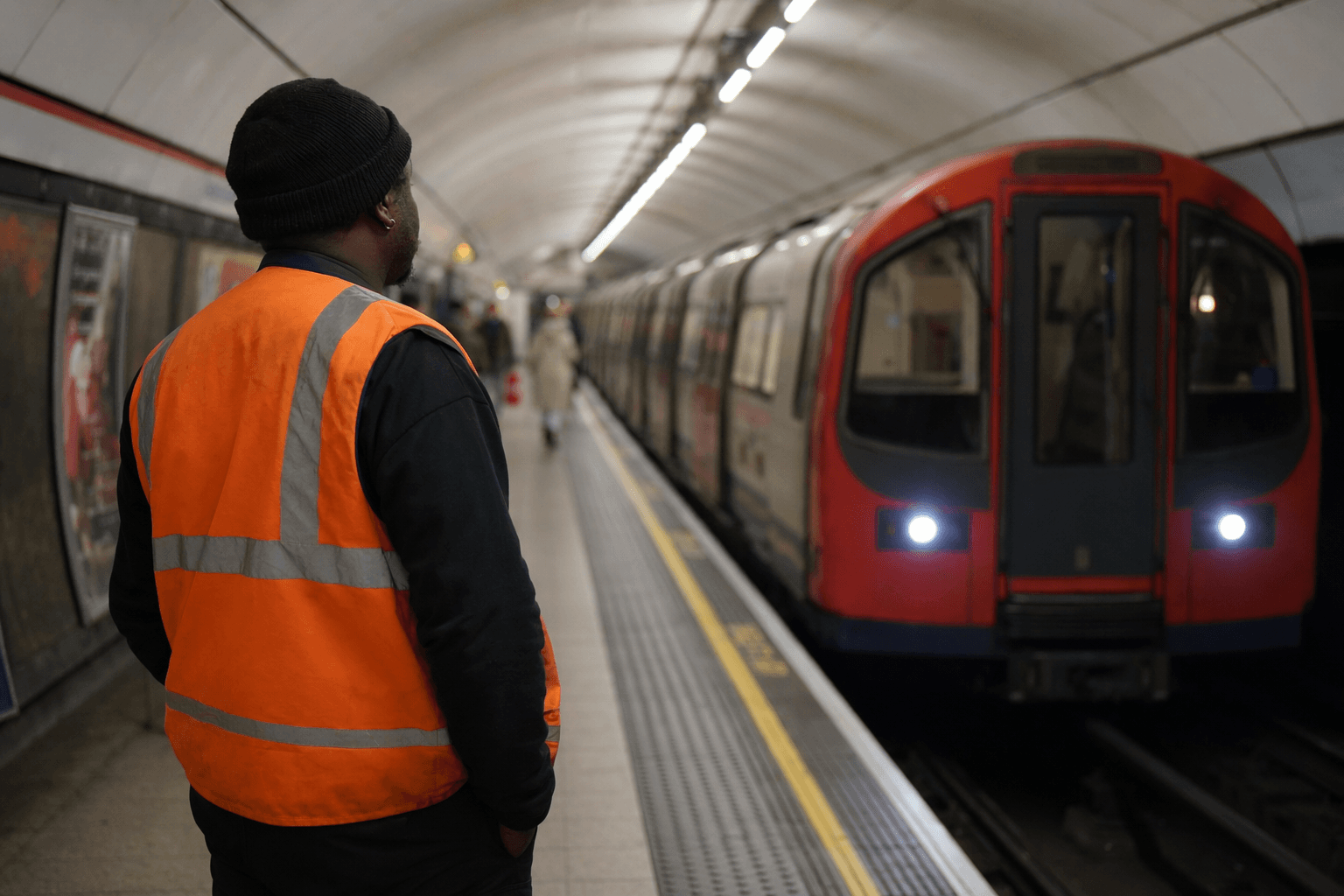
The RMT called off a series of 24-hour strikes that had been due to begin Tuesday and run through 22 May after talks with Transport for London opened a new round of negotiations. The pause removed an immediate threat to the Circle, Piccadilly, Metropolitan line between Baker Street and Aldgate, and Central line between White City and Liverpool Street, all of which TfL had warned could face no service if the action went ahead.
The dispute is rooted in TfL’s proposal for a voluntary four-day working week for Tube drivers, a plan the company says is meant to improve work-life balance. The RMT says the issue goes far beyond a compressed schedule, raising concerns over shift lengths, working-time arrangements, transfers, fatigue and safety. The union has also said a majority of Train Operators rejected the plan in e-referendums, while ASLEF accepted the compressed-working proposal, making the row a test of how far TfL can reshape working patterns without wider industrial blowback.
The leverage on both sides was clear in the last round of stoppages. TfL said more than half of normal Tube demand still appeared on each day of the earlier action, and that the network reached 94% of normal demand on the final day. Those figures showed London Underground could keep some service moving, but only under heavy strain, with the system vulnerable to repeated warnings, partial shutdowns and sharp shifts in passenger behaviour when drivers walked out.
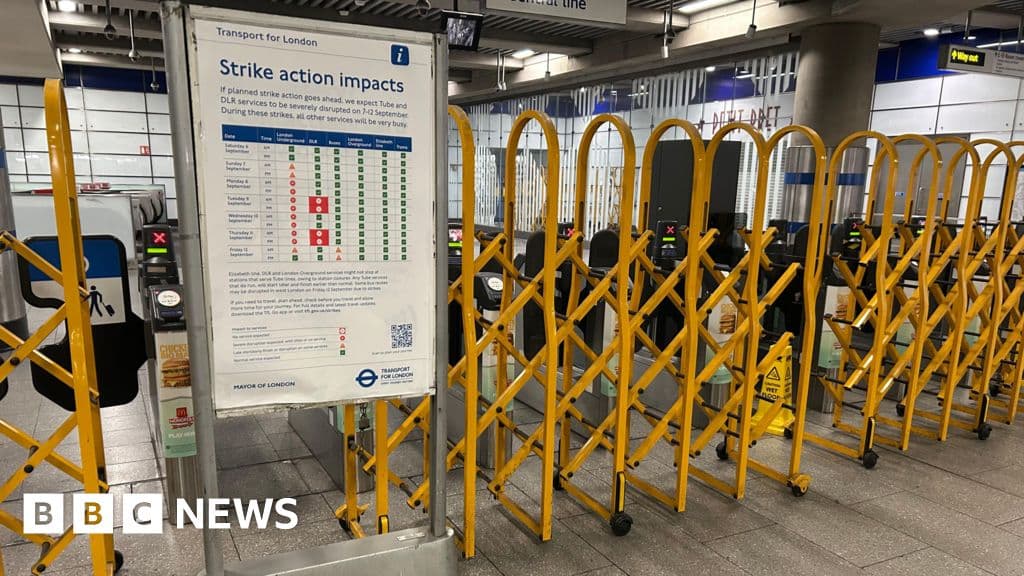
This was not the first time talks had blunted a strike threat. On 18 March, the RMT suspended strikes planned for 24-27 March after London Underground management agreed to negotiate, though the union said the dispute remained live and that April, May and June dates stayed in place. Eddie Dempsey said management had only begun taking the issue seriously after months of refusing to negotiate, and Sadiq Khan called that March suspension positive news for Londoners, businesses and visitors. The latest pause may ease immediate pressure on commuters, but it also shows how little has been settled beneath the surface, leaving staffing, scheduling and safety still capable of disrupting London transport again in June.
This article was produced by Prism’s automated news system from verified source data, official records, and press releases, then run through automated quality and moderation checks before publishing. The system is built and supervised by the people who set the standards it runs under. Read our full AI policy.
Did this article answer your question?