Russia strikes Odesa again, injuring two and damaging homes
An overnight drone strike in Odesa injured an 11-year-old boy and a 59-year-old man, while four apartment buildings and 22 houses were left damaged.

Another overnight drone attack on Odesa pushed civilian life in Ukraine’s key Black Sea port deeper into routine emergency. At least two people were injured, including an 11-year-old boy and a 59-year-old man, and damage spread across residential streets in the Prymorskyi and Kyivskyi districts.
Odesa’s first deputy mayor, Oleksandr Filatov, said the city was hit again and that four apartment buildings and 22 private houses were damaged. Later reporting also identified damage to a school lyceum and a kindergarten, widening the impact beyond homes and underscoring how the strikes cut into the daily spaces where children live and study.
Footage from the scene showed emergency responders spraying water on damaged residential buildings after the strike. The city said assistance was being provided under local recovery programs to help residents replace windows and doors, a sign that municipal authorities were once again shifting quickly from rescue to repair.
The attack fit a broader overnight wave of Russian strikes across Ukraine that killed one person and injured more than 30 people overall. In Odesa, the damage was concentrated in civilian neighborhoods, with no military target cited in the reporting, reinforcing the pattern of drone warfare pressing directly against residential life.
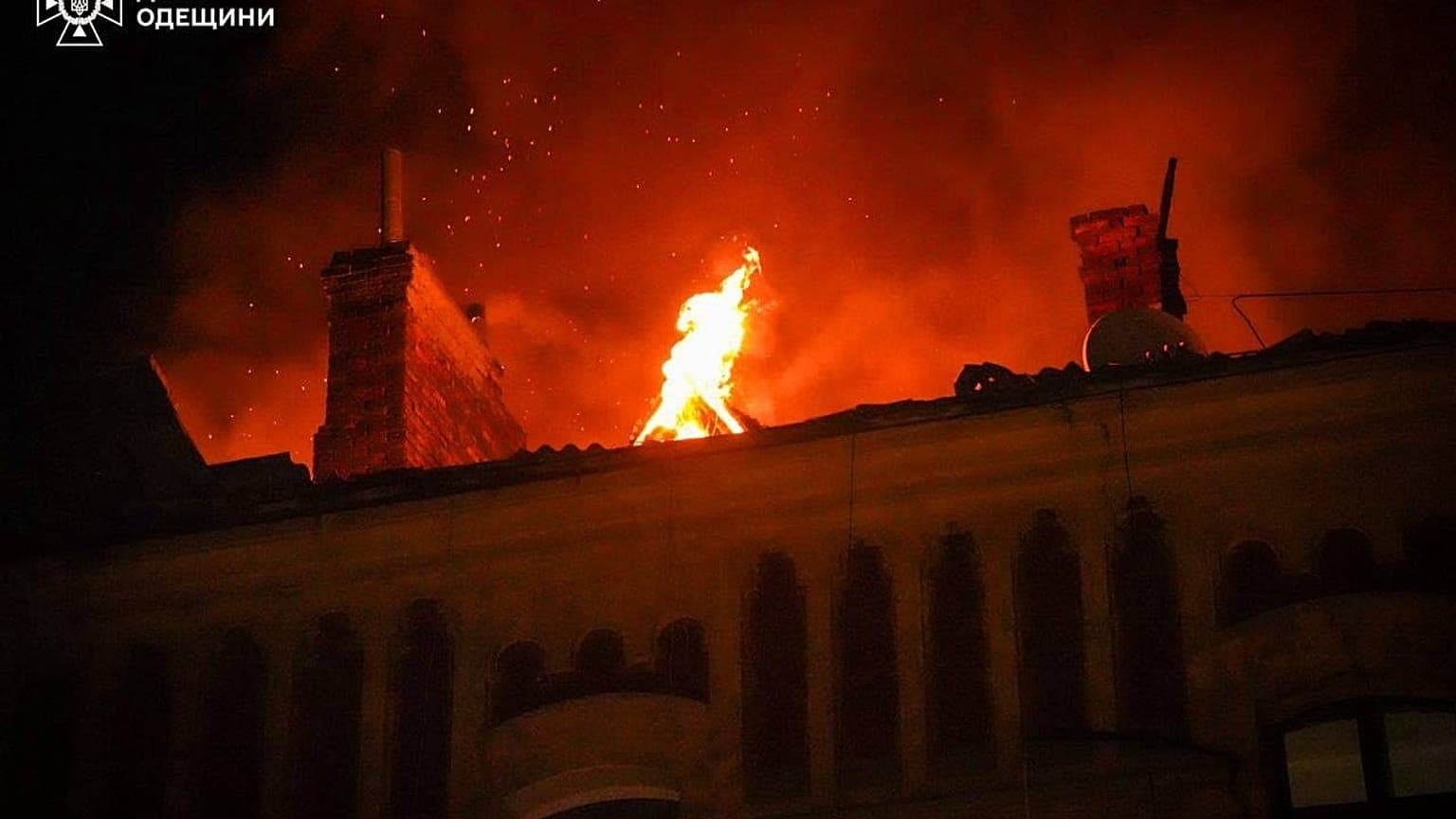
That pressure matters in a city whose role extends far beyond its own streets. Odesa is a major Black Sea export port and transport hub, and repeated attacks there carry economic as well as strategic consequences. Each strike adds strain to local services, disrupts confidence in ordinary routines, and keeps pressure on the port infrastructure that helps move Ukrainian goods out to market.
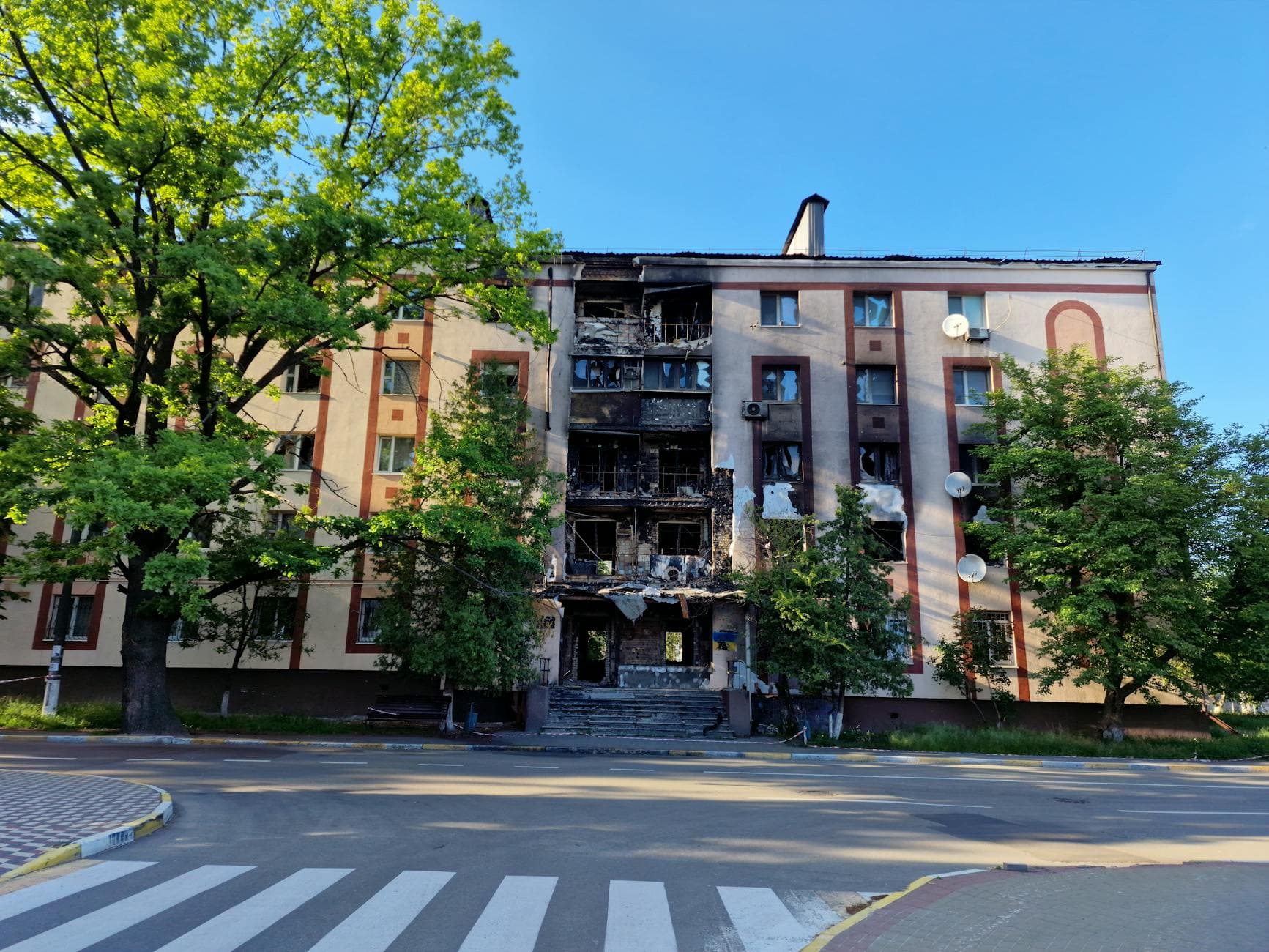
The city has already faced similar damage in late April and early May, when apartment buildings, homes and port infrastructure were hit again. The repeated pattern shows a war of attrition aimed not only at infrastructure but at the ability of a major city to function normally from one night to the next.
This article was produced by Prism’s automated news system from verified source data, official records, and press releases, then run through automated quality and moderation checks before publishing. The system is built and supervised by the people who set the standards it runs under. Read our full AI policy.
Did this article answer your question?