Trump warns Iran clock is ticking as U.S. weighs harder strikes
Trump is signaling a broader military escalation if Iran rejects a deal, even as a drone strike near a UAE nuclear plant shows how fast the crisis could spread.

Harder strikes would mean more than another warning from Washington. They would point to a widening U.S. campaign against Iranian offensive missiles, missile production and security infrastructure, with the added risk of pulling the Strait of Hormuz, Gulf energy routes and American forces deeper into the fight. President Donald Trump has kept the pressure high while still leaving a narrow opening for talks, but the latest signals suggest that space is shrinking fast.
Trump told Axios that “the clock is ticking” for Iran and warned that if the regime does not return with a better deal, “they are going to get hit much harder.” CNN reported that Trump met top members of his national security team on Saturday before posting his own warning on Truth Social: “For Iran, the Clock is Ticking, and they better get moving, FAST, or there won’t be anything left of them. TIME IS OF THE ESSENCE!” Axios also said Trump is convening his national security team again Tuesday, a sign that the next decision point could come quickly.
The military implications are stark. The State Department says Operation Epic Fury began on February 28, 2026, with objectives that included destroying Iranian offensive missiles and missile production, alongside navy and other security infrastructure. If Trump follows through on “harder” strikes, that would likely mean expanding that campaign rather than pausing it. Diplomatically, it would narrow the room for any bargain with Tehran. Politically, it would force Trump to justify an even larger regional war to Congress and a public already watching oil markets, air defenses and shipping lanes for the next shock.
Iran has so far shown little appetite for surrendering key demands. Foreign Minister Abbas Araghchi said Tehran has “no trust” in the United States and that negotiations would continue only if Washington was serious. Reuters reported that Pakistan-mediated talks have been suspended after both sides rejected the other’s latest proposals last week. Araghchi also said vessels can pass through the Strait of Hormuz except those “at war” with Tehran if they coordinate with Iran’s navy, a reminder that the waterway, which normally carries about one-fifth of the world’s seaborne oil and gas supply, remains one of the most dangerous pressure points in the world.
The stakes sharpened further when a drone strike sparked a fire at the Barakah Nuclear Energy Plant in the United Arab Emirates’ Al Dhafra region on May 17, with no injuries and no change in radiation levels. The UAE said its air defenses dealt with two drones and a third hit a generator near the plant. The IAEA said one reactor had to rely temporarily on emergency diesel generators. Qatar and Saudi Arabia condemned the attack, underscoring how a confrontation with Iran can spill into facilities far from the original battlefield.
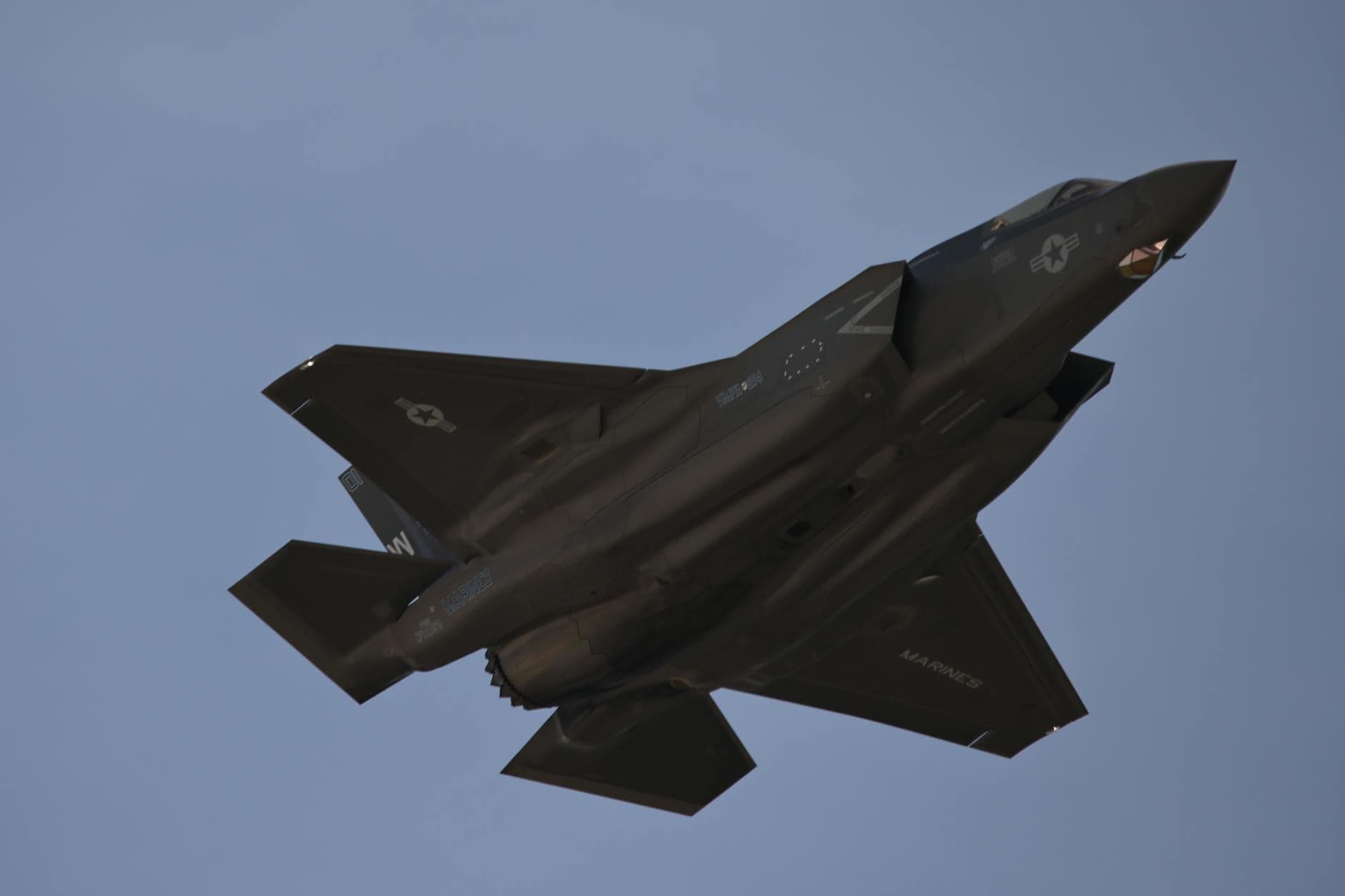
Trump is still talking like a dealmaker. The latest moves, however, are the language of escalation.
This article was produced by Prism’s automated news system from verified source data, official records, and press releases, then run through automated quality and moderation checks before publishing. The system is built and supervised by the people who set the standards it runs under. Read our full AI policy.
Did this article answer your question?


