Trump Warns Iran on Ceasefire Neither Side Seems to Agree On
Trump threatened to resume strikes if Iran didn't comply with what he called "the REAL AGREEMENT," as both sides claimed victory in a deal they described in contradictory terms.
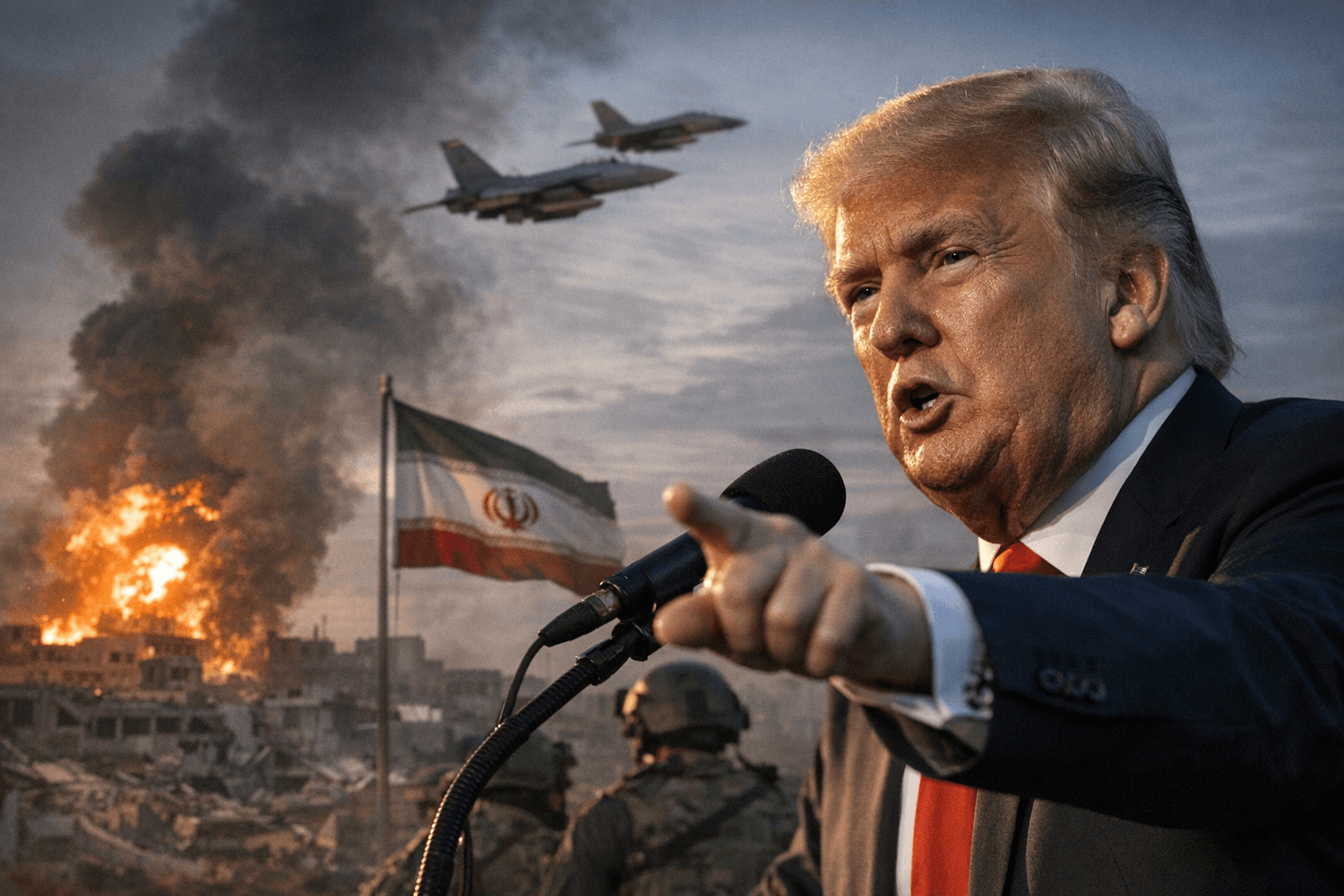
The two-week ceasefire between the United States and Iran barely survived its first full day before dissolving into a dispute over what, exactly, had been agreed to. President Donald Trump issued a fresh warning Thursday, threatening to resume military strikes if Iran did not comply with "the REAL AGREEMENT reached," even as Iranian officials insisted the deal included conditions Washington flatly denied ever accepting.
Trump warned that strikes on Iran would resume if Iran did not comply with what he termed the real deal. "If for any reason it is not, which is highly unlikely, then the 'Shootin' Starts,' bigger, and better, and stronger than anyone has ever seen before," he said. He also reiterated that the deal would not allow nuclear enrichment in Iran and would need to keep the Strait of Hormuz open.
The ceasefire was announced Tuesday night, just hours after Trump had threatened "a whole civilization will die tonight" if Tehran did not comply with his demands. Trump credited Pakistan for mediating the settlement and said Iran would immediately open the Strait of Hormuz while working toward a final peace agreement.
But the deal that Tehran described bore little resemblance to the one Washington claimed to have struck. Iran's semi-official Tasnim news agency, affiliated with the country's powerful Islamic Revolutionary Guard Corps, said Tehran had "forced the criminal America to accept its 10-point plan," under which the United States committed in principle to guaranteeing non-aggression, continuing Iranian control over the Strait of Hormuz, accepting uranium enrichment, lifting all primary and secondary sanctions, and withdrawing American combat forces from the region.
Lebanon became the sharpest fault line in the collapsing agreement. Iranian Foreign Minister Abbas Araghchi insisted that an end to the war in Lebanon was part of the ceasefire deal, but Israeli Prime Minister Benjamin Netanyahu and Trump said it was not. Hours after the ceasefire was announced, Israel pounded Beirut with airstrikes, resulting in the deadliest day in Lebanon since the war began on February 28.
Iranian parliament speaker Mohammad Bagher Ghalibaf declared the planned talks with the U.S. "unreasonable" because Washington had broken three of Tehran's 10 conditions. Iran also said it had again closed the Strait of Hormuz following continued Israeli attacks on Hezbollah targets in Lebanon.
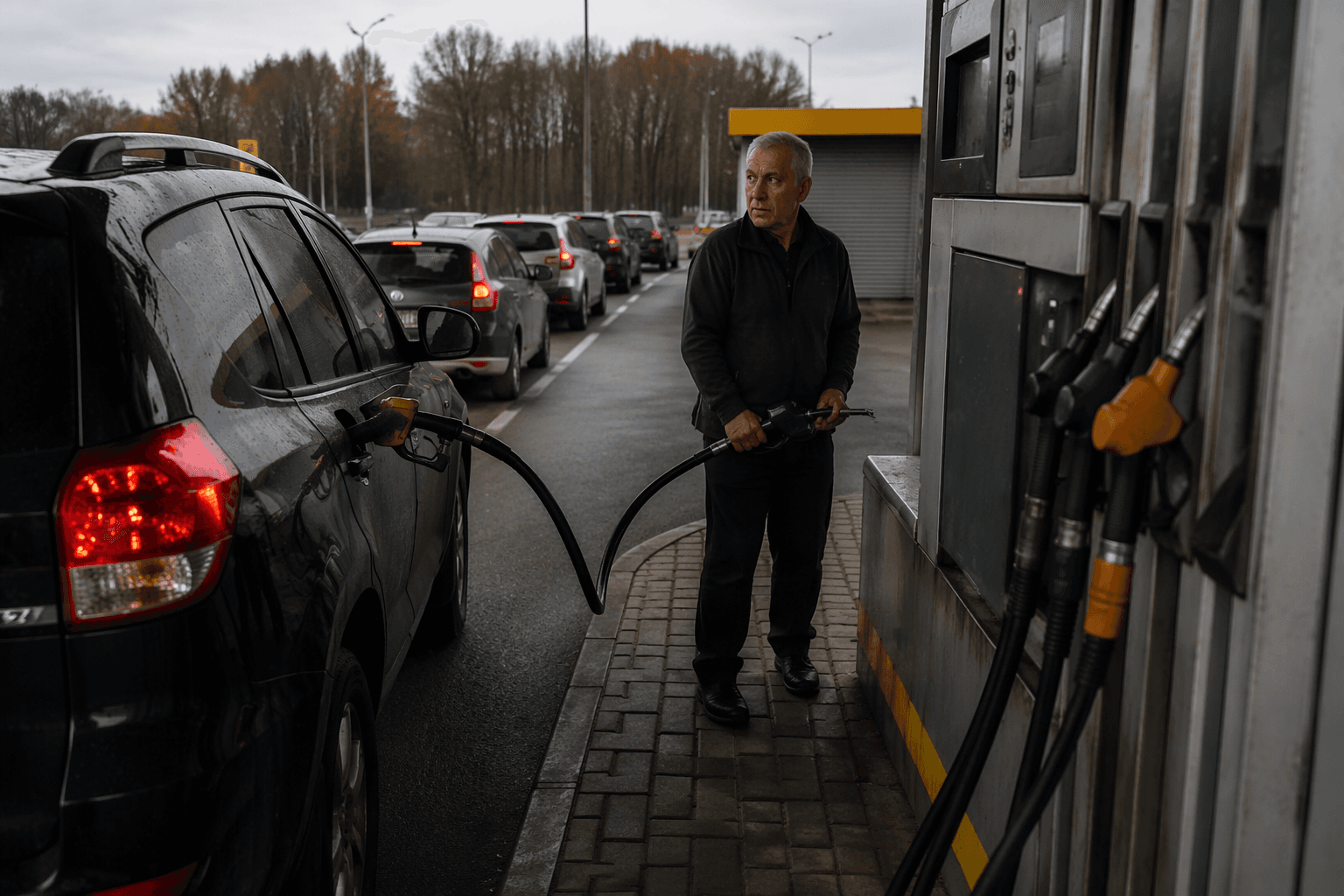
The uncertainty registered immediately in markets. Oil prices inched back toward the $100-a-barrel mark Thursday and stock markets turned sullen, reversing the optimism that had followed Trump's initial ceasefire announcement. Brent crude, the international standard, stood at $97 per barrel, up 2.4%.
The New York-based Soufan Center warned the ceasefire "hovers on the verge of collapse," noting that Israel's strikes were "likely to be viewed as escalatory" regardless of whether Lebanon was formally outside the deal.
At least 1,497 people have been killed since the war erupted, including 57 health workers, according to Lebanese authorities. The immediate next step outlined by Pakistani Prime Minister Shehbaz Sharif was negotiations in Islamabad, where U.S. and Iranian officials were expected to meet under Pakistani mediation beginning Friday, April 10. Whether either side would arrive at the table with the same understanding of what they were there to finalize remained an open question.
This article was produced by Prism’s automated news system from verified source data, official records, and press releases, then run through automated quality and moderation checks before publishing. The system is built and supervised by the people who set the standards it runs under. Read our full AI policy.
Did this article answer your question?