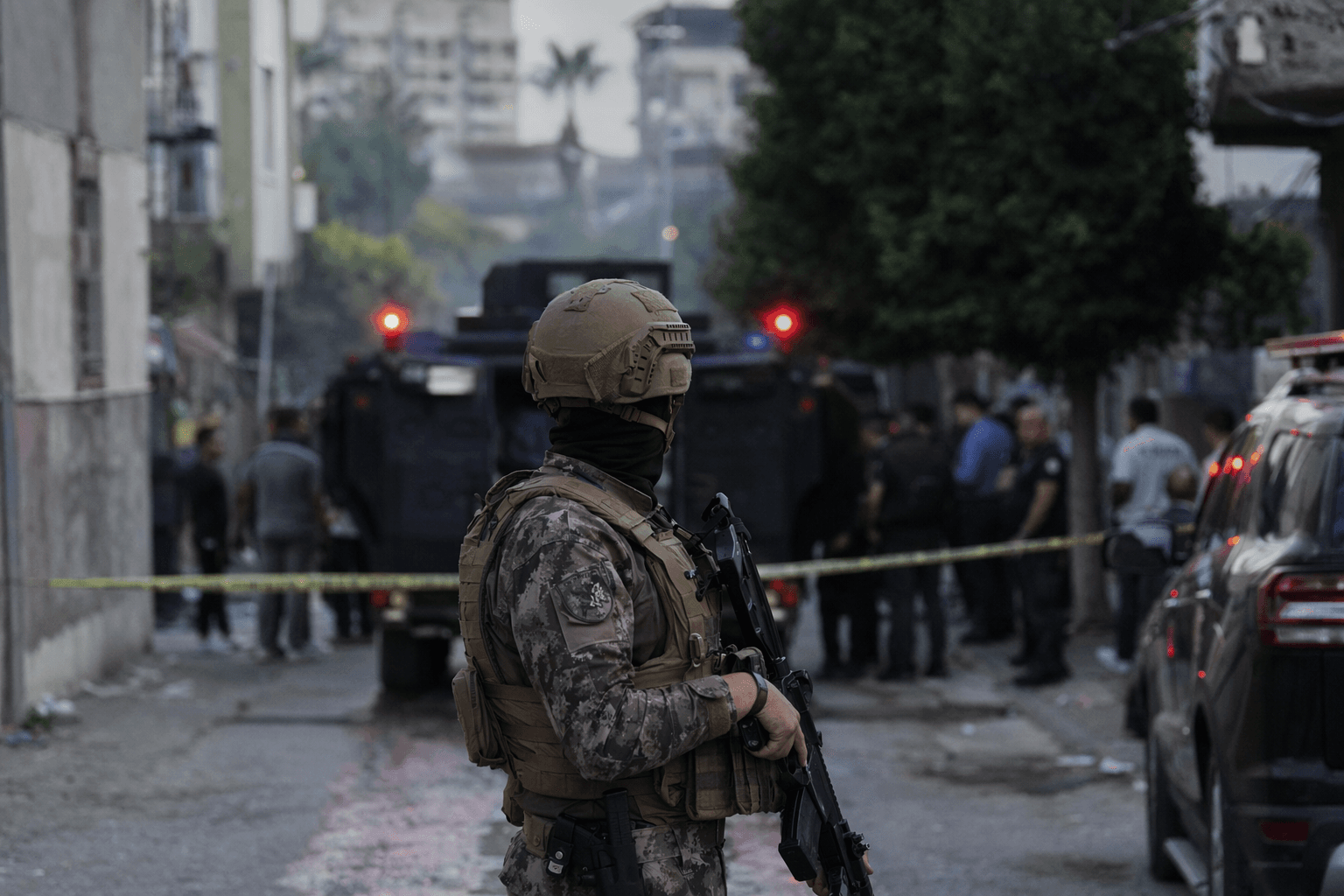
Trump warns Iran, says clock is ticking for peace deal
Trump pressed Iran with a looming deadline while Gulf leaders pushed to keep talks alive after drones hit the Barakah plant and Saudi Arabia intercepted three more.

Donald Trump sharpened the pressure on Iran on Sunday, warning that its “Clock is Ticking” and saying Tehran should “get moving, FAST” as Gulf capitals tried to head off a wider confrontation.
He said he had called off a military strike on Iran that was scheduled for Tuesday, May 19, 2026, and described the pause as linked to “serious negotiations.” Trump said the request to hold off came from the leaders of Saudi Arabia, Qatar and the United Arab Emirates, signaling that the region’s most powerful Arab governments were still trying to keep diplomacy alive even as military options remained on the table.
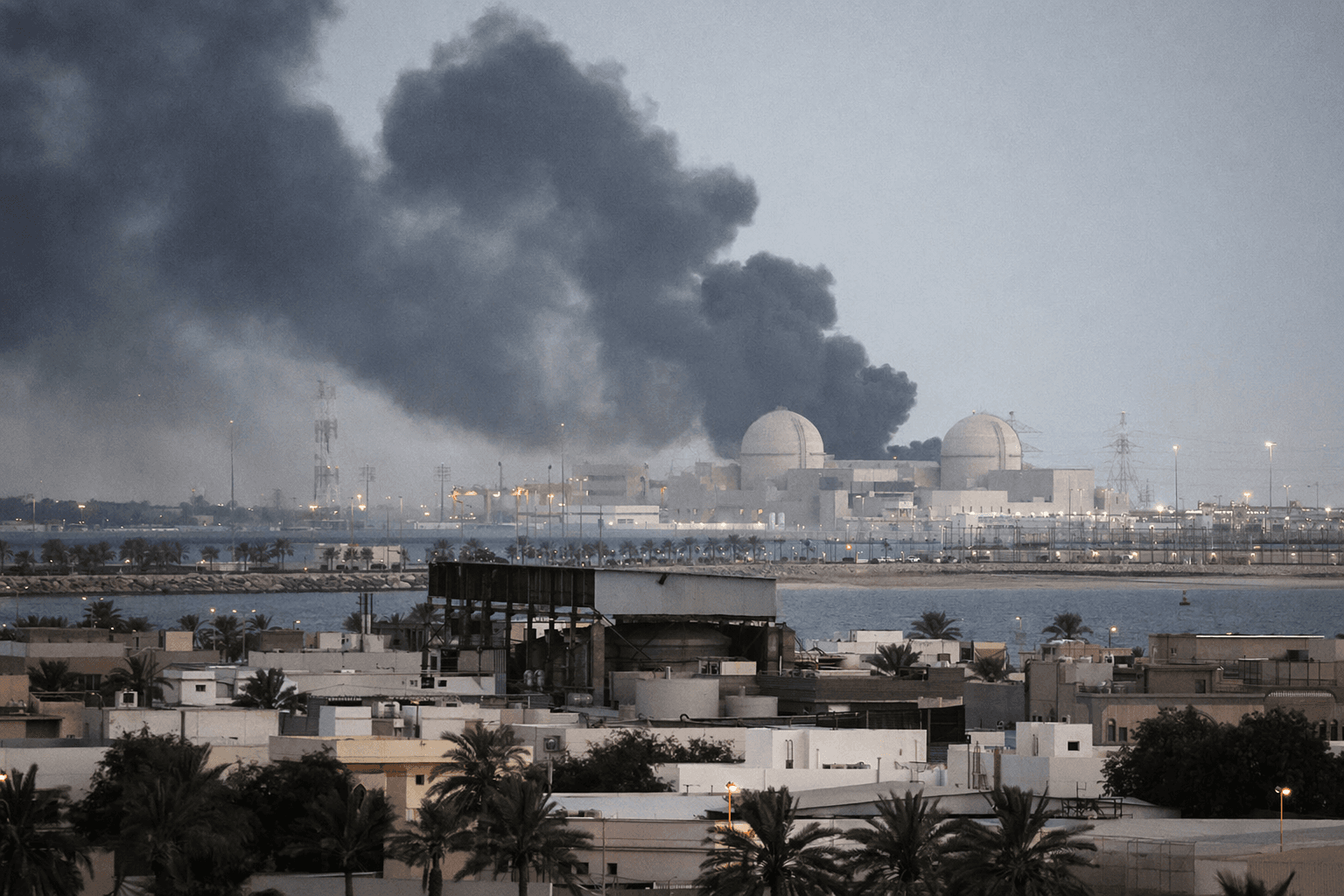
The warning landed just hours after a drone strike targeted the United Arab Emirates’ sole nuclear power plant at Barakah. United Arab Emirates officials said the blaze was caused by a strike on an electrical generator outside the plant’s inner perimeter and did not affect nuclear safety, release radiation, or injure anyone. Saudi Arabia also reported intercepting three drones, adding to the sense that the region was moving closer to open escalation.
Trump’s remarks underscored the narrow leverage each side still held. The United States retained the immediate threat of force, and Trump made clear he was prepared to act if talks failed. Iran, meanwhile, appeared to be leaning on regional intermediaries rather than direct confrontation. Reuters reported on June 16, 2025, that Iran had asked Qatar, Saudi Arabia and Oman to press Trump to help secure an immediate ceasefire with Israel in return for flexibility in nuclear negotiations, suggesting the same Gulf channels were being used again to prevent a crisis from tipping into war.
The market reaction showed how quickly the pressure was spreading beyond diplomacy. Oil prices and Gulf equities were jolted by fears of wider regional escalation, with traders watching the Strait of Hormuz and energy supplies for any sign the violence could spill into shipping lanes or disrupt crude flows. That economic sensitivity gave the Gulf states added incentive to push for a deal, but it also raised the stakes for Trump’s deadline rhetoric: if the clock was really ticking, the next move could determine whether the region was headed toward an agreement or a strike.
Know something we missed? Have a correction or additional information?
Submit a Tip