Japan and South Korea deepen ties in reciprocal hometown summit
Lee Jae Myung and Sanae Takaichi will meet in Andong in a symbolic hometown swap, testing whether practical security cooperation can outlast wartime resentment.
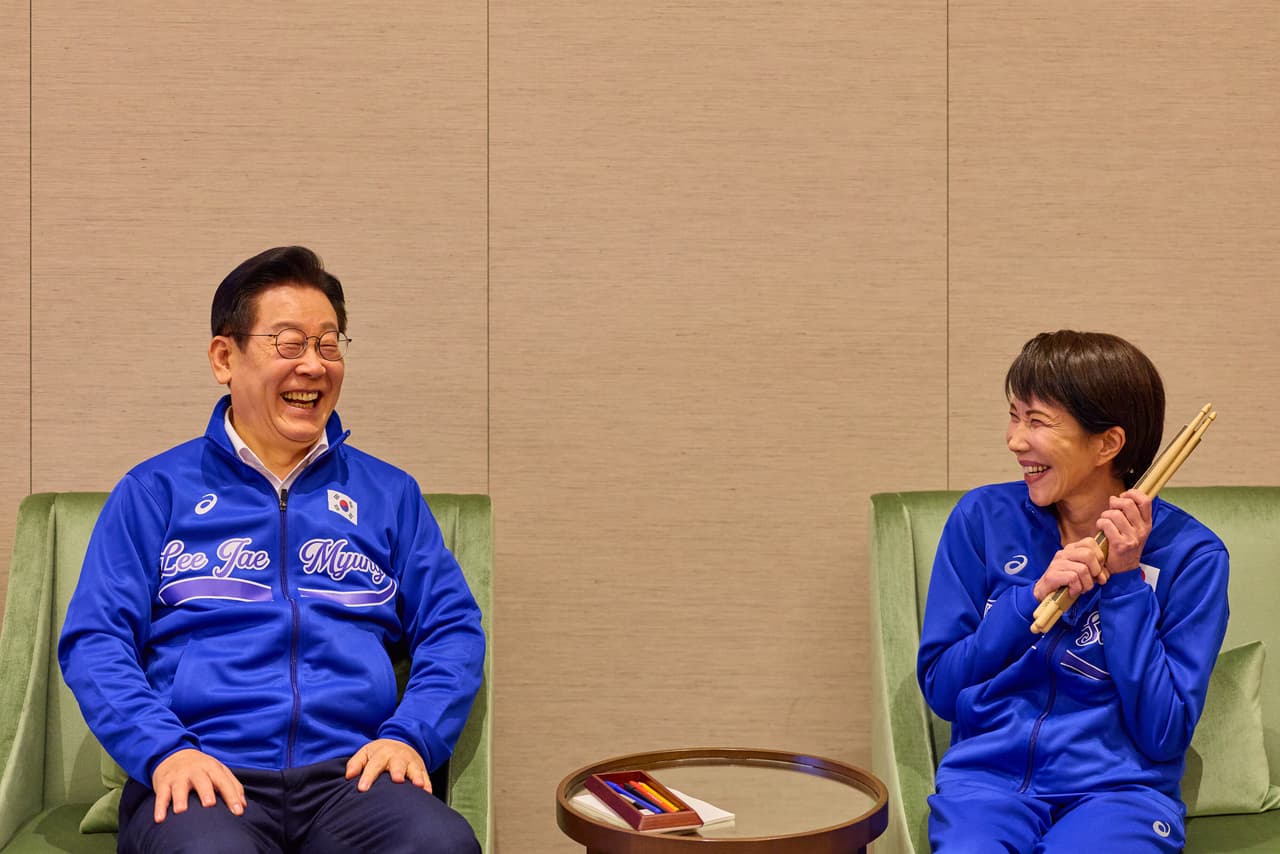
Japan and South Korea will stage a carefully choreographed reset in Andong, where President Lee Jae Myung and Prime Minister Sanae Takaichi are set to meet on May 19-20 in a reciprocal hometown summit that is meant to signal more than cordiality. South Korean officials say Takaichi will receive honors usually reserved for a state guest, underscoring how much political capital both governments are investing in a relationship that has often been derailed by history.
The meeting will be the second this year between Lee and Takaichi, following Lee’s visit to Takaichi’s hometown of Nara in January as part of their shuttle diplomacy. South Korean officials describe the Andong trip as a reciprocal hometown gesture, and say the two leaders will use it to deepen practical cooperation in areas tied to daily life, including the economy, society and public safety.
The summit comes at a moment when both capitals are looking beyond symbolism. Officials say the agenda will also cover economic security and broader regional and global issues, including tensions involving the United States and China, supply-chain pressures, the Middle East and the Strait of Hormuz. For Washington, which relies on both countries as longtime allies, a steadier Japan-South Korea relationship could ease coordination on deterrence, trade resilience and regional planning at a time of widening geopolitical strain.
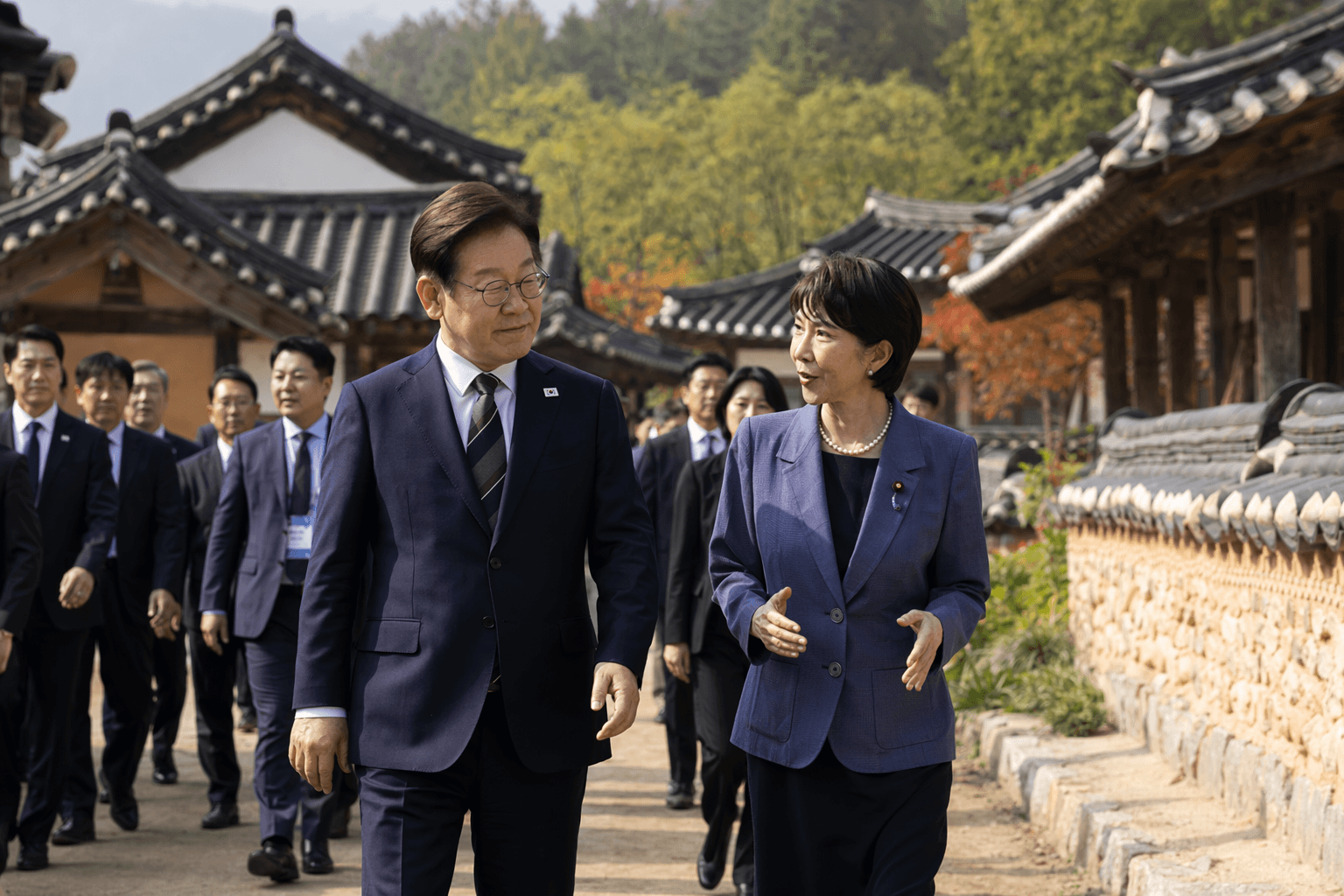
The history between Tokyo and Seoul still hangs over every such encounter. The two countries have repeatedly clashed over wartime grievances, including forced labor and the sexual slavery of so-called comfort women, disputes that have complicated diplomacy for generations even as both governments have tried to move the relationship toward what they call a more future-focused footing.
This year’s summit sequence suggests that both leaders are trying to convert a political thaw into something more durable. The Andong talks are expected to include a small-group session, expanded discussions, a joint press announcement and a dinner, along with a separate friendship program. That full program reflects an effort to show that the relationship is no longer limited to crisis management, but is being reset as a working partnership.
The stakes reach well beyond diplomatic optics. If Japan and South Korea can keep their cooperation on track, the effect could be felt in U.S. security strategy, in regional supply chains and in the broader contest over influence in Northeast Asia. The harder test will be whether both governments can manage historical grievance without pretending it has disappeared.
Know something we missed? Have a correction or additional information?
Submit a Tip

