Trump delays Iran attack as Gulf states push for diplomacy
Oil stayed near $112 a barrel as Trump delayed a planned Iran strike, keeping U.S. inflation fears alive while Gulf leaders pressed for talks.

Oil markets and inflation worries stayed on edge as President Donald Trump delayed a planned military attack on Iran, a move that may have eased immediate war risk but left crude prices near $110 to $112 a barrel and gasoline costs vulnerable to another jump.
Trump said the strike, which had been scheduled for Tuesday, May 19, was being postponed after direct requests from Qatari Emir Tamim bin Hamad Al Thani, Saudi Crown Prince Mohammed bin Salman and United Arab Emirates President Mohammed bin Zayed Al Nahyan. Their message was simple: give negotiations more time before widening a conflict already rattling energy markets and global growth forecasts.
The pause came as Iran sent a revised response to the latest U.S. proposal to end the war through mediator Pakistan. A Pakistani source said the two sides do not have much time and are still shifting their positions. Iranian Foreign Ministry spokesman Esmaeil Baghaei later confirmed that Tehran’s views had been conveyed to Washington through Pakistan, underscoring how fragile the diplomatic channel remains even as both sides keep talking.
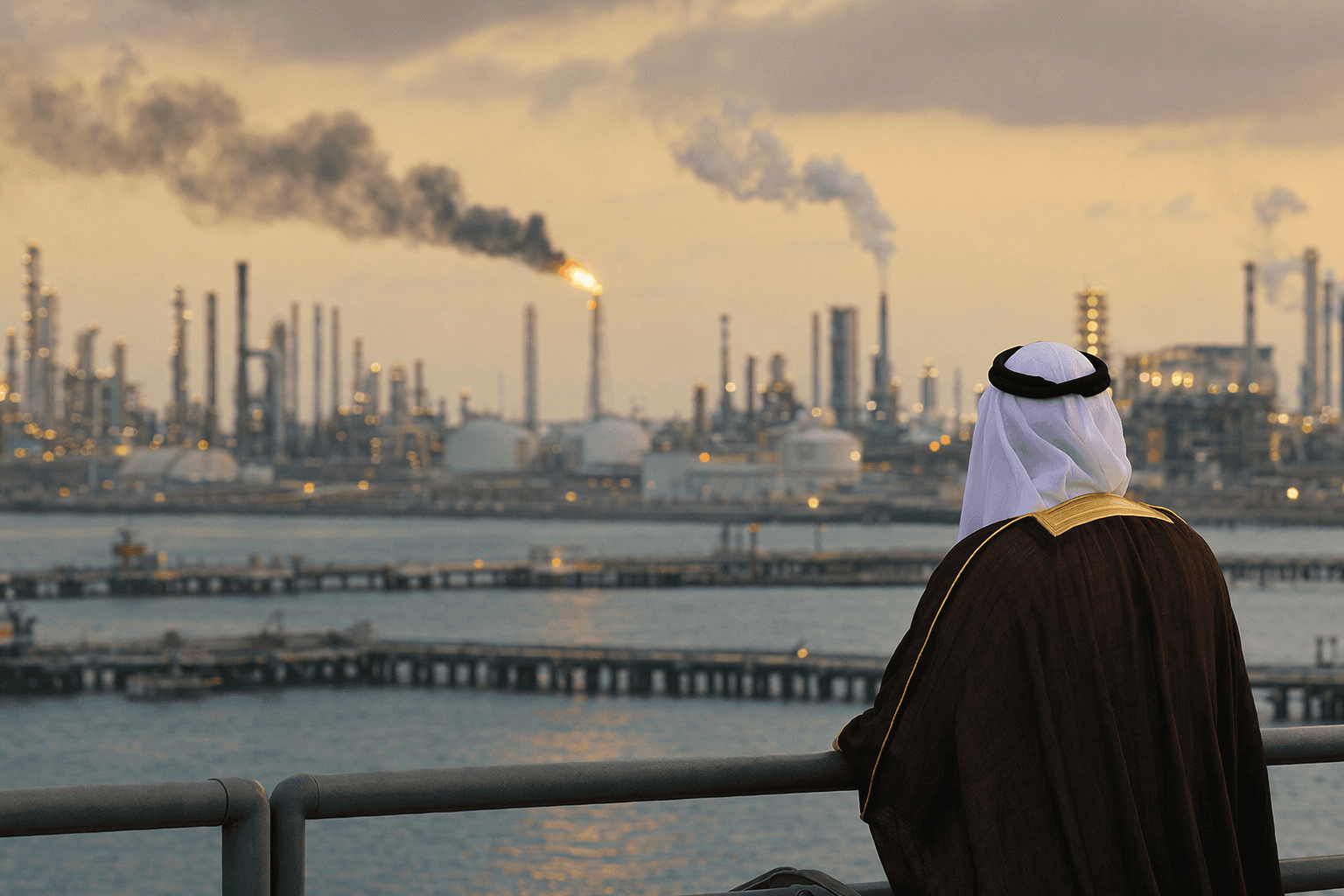
That uncertainty is showing up most clearly in the oil market. Brent crude closed at $112.10 after Trump said he had called off the strike for now, and market coverage put prices broadly in the low $110s on May 18. Brent has risen more than 55% since the war began in late February and peaked near $120 in April, a sharp reminder of how quickly energy costs can spill into household budgets across the United States.
The broader threat is the Strait of Hormuz, which has been effectively closed since March 4. With a large share of the world’s seaborne oil tied to that route, traders have treated every new threat, pause and mediation effort as market-moving. The Federal Reserve Bank of Dallas estimated that if shipments through Hormuz remained halted through June, global growth in the second quarter could be cut by an annualized 2.9 percentage points.
For Washington, the stakes are not only military or diplomatic. Another strike could deepen the supply shock already feeding oil and gasoline prices higher and harden inflation expectations just as markets are trying to price in whether the Gulf-led push for diplomacy can hold. The immediate question is no longer whether talks exist, but whether they can move faster than the price of a barrel of crude.
Know something we missed? Have a correction or additional information?
Submit a Tip