Trump warns Iran will pay the price as ceasefire unravels
Trump’s warning after fresh strikes raised the odds of more attacks, even as Pakistan pushed mediation and the Strait of Hormuz remained under threat.
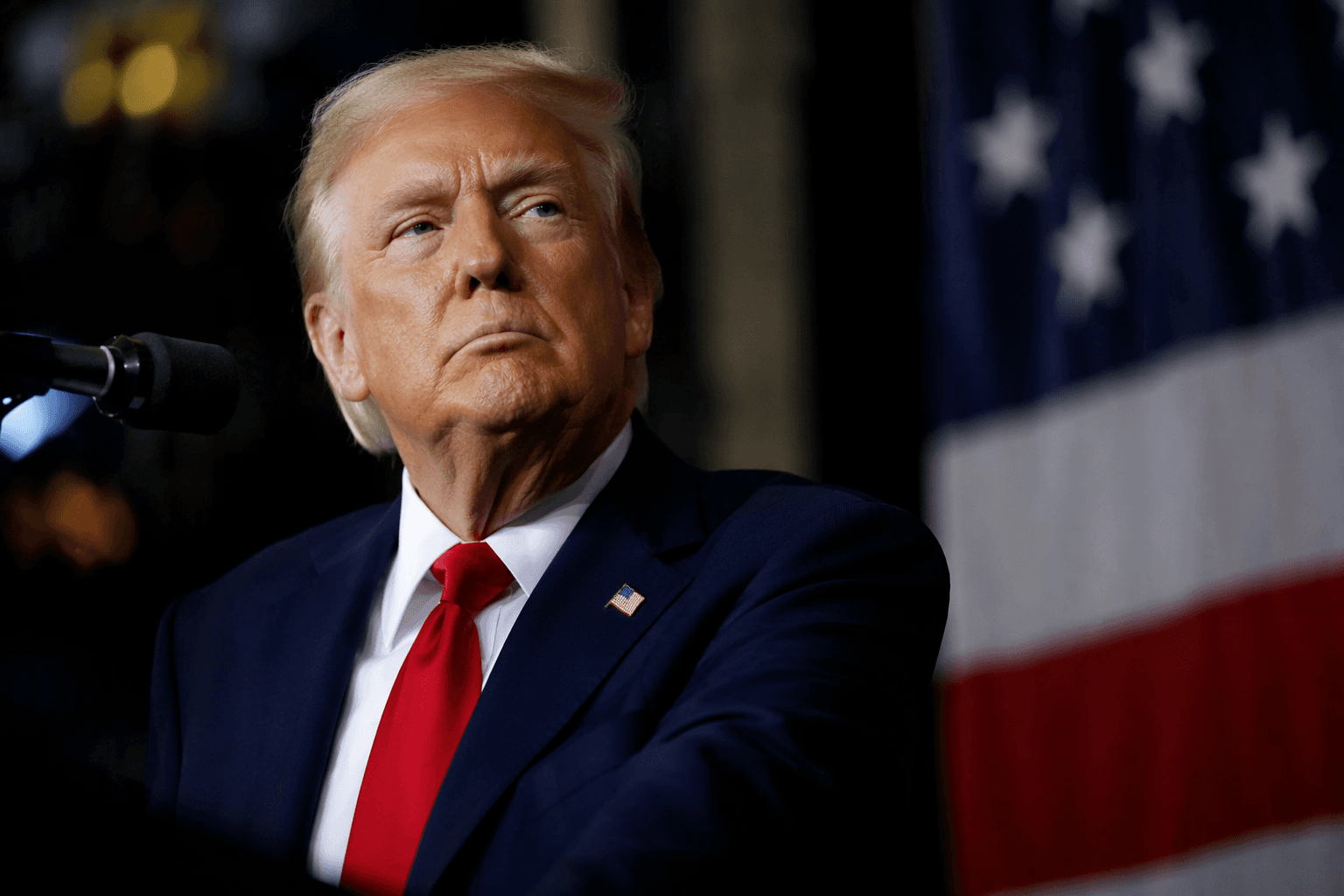
Donald Trump’s warning that Tehran will “pay the price” marked a sharp escalation in a conflict already straining a fragile ceasefire and testing the chances of a wider U.S.-Iran war. The remark came after renewed exchanges of fire on Wednesday, June 10, 2026, and it signaled that the next 24 to 72 hours could bring more military action, more diplomatic pressure, and deeper risk for energy markets tied to the Strait of Hormuz.
Trump said Iran had taken “too long” to negotiate and called the country “all talk and no action,” reversing the optimism he had projected only days earlier, when he said a deal could be reached in “two to three days” and that the Strait of Hormuz could reopen “immediately” if one was finalized. That shift matters because public warnings from the White House can harden military posture on both sides, making it harder for negotiators to keep talks alive while commanders weigh whether the latest exchange should be answered with another strike.
The latest flare-up followed the downing of a U.S. Army Apache helicopter near the Strait of Hormuz, a chokepoint for global oil shipments that has already become a pressure point in the conflict. U.S. Central Command described American strikes as a proportional or self-defense response to Iranian aggression. Iran said it had launched missile and drone attacks on U.S.-linked or U.S. military targets in Bahrain, Kuwait and Jordan, saying it was retaliating for earlier U.S. strikes.
The ceasefire, which has held since April 2026 but was repeatedly strained by tit-for-tat attacks, now looks even more fragile. That increases the chance of a cycle in which a limited strike produces a counterstrike, then another response, especially if either side concludes that restraint invites more attacks. The Strait of Hormuz remains the most immediate flashpoint because any threat there can ripple quickly through international shipping and energy prices.
Even so, diplomacy did not disappear. Pakistan’s Interior Minister Mohsin Naqvi traveled to Tehran on June 6 and 7, 2026, as part of mediation efforts, meeting Foreign Minister Abbas Araghchi and carrying messages for Iranian leaders. Araghchi warned foreign forces to leave the Strait of Hormuz area and said any attack or threat against Iran would not go unanswered. That combination of back-channel diplomacy and public threats leaves the conflict balanced between a negotiated pause and a broader confrontation that could spread well beyond the Gulf.
This article was produced by Prism’s automated news system from verified source data, official records, and press releases, then run through automated quality and moderation checks before publishing. The system is built and supervised by the people who set the standards it runs under. Read our full AI policy.
Know something we missed? Have a correction or additional information?
Submit a Tip
