Trump Warns NATO Is Weak Without U.S. Military Backing
Trump called NATO "sometimes overrated" and warned the alliance "would be weak without US military backing," while claiming he personally made it "much stronger."

President Donald Trump declared at a White House briefing that NATO would lack real deterrence power without the United States, framing American military participation as the essential foundation of the transatlantic alliance while simultaneously describing the bloc as "sometimes overrated."
Speaking to reporters at the White House, Trump argued that NATO's effectiveness is inseparable from Washington's involvement, asserting that without U.S. participation the alliance would struggle to maintain credible deterrence against adversaries. He directed pointed criticism at several member states he said rely too heavily on the United States for defense commitments, a complaint that has defined his approach to alliance politics across both of his administrations.
Trump claimed credit for strengthening the institution he was criticizing. "I've made it much stronger," he told reporters, portraying his tenure as a turning point that sharpened allied defense obligations and improved relations within the 32-member bloc. He maintained that NATO is currently stronger than when he first entered office, while distancing himself from what he called controversial policies adopted by the alliance before his administration took over.
The Fox News interview in which Trump also addressed the subject carried a blunter framing: the alliance, he suggested, would not come to the aid of the United States because it is weak and expects America to absorb the burden of global crises alone.
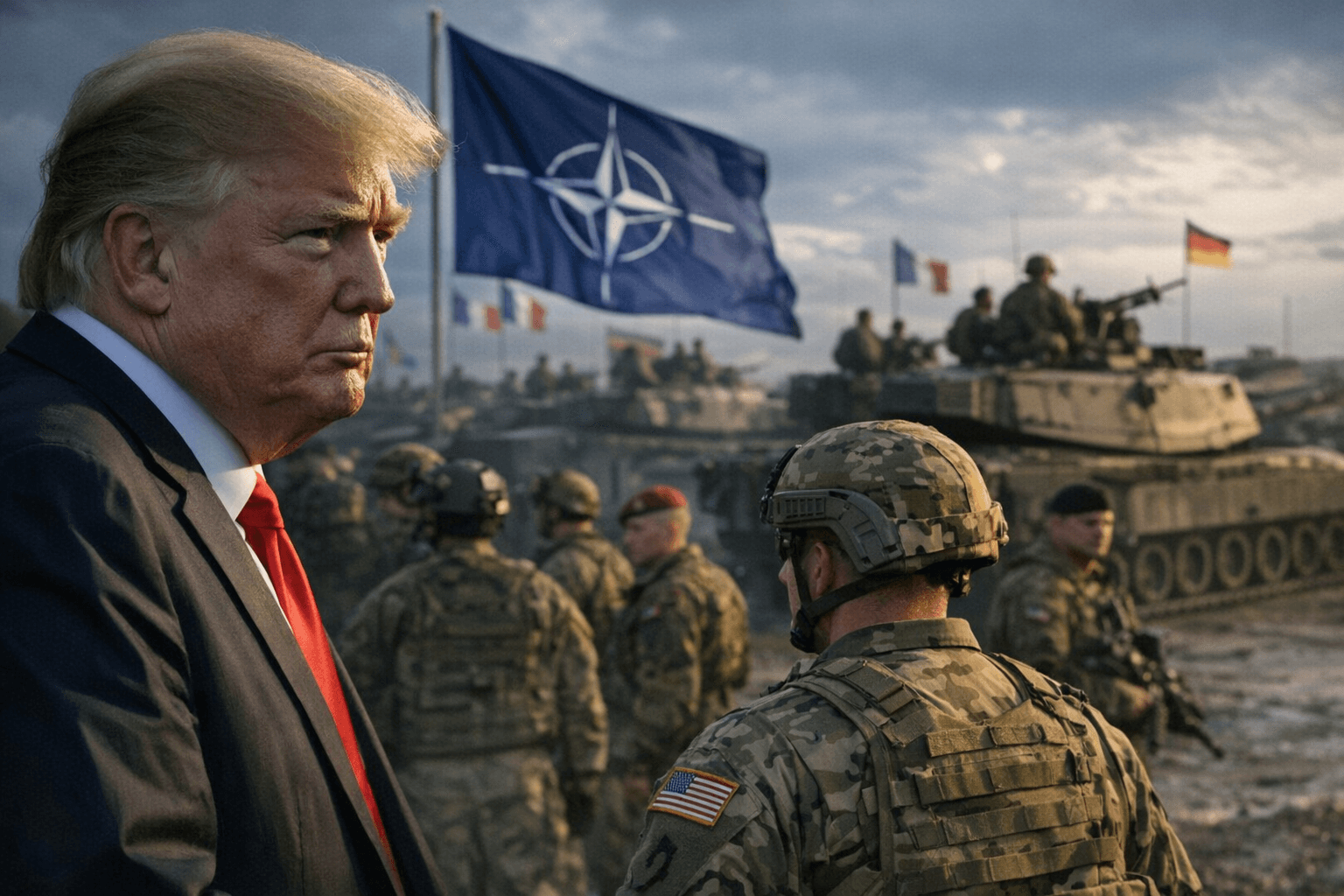
The remarks land against a backdrop of intensifying burden-sharing disputes that have preoccupied NATO capitals for years. European allies and partners including Türkiye have faced sustained U.S. pressure to raise defense spending toward the alliance's two-percent-of-GDP benchmark, a target that many members failed to meet for years before Russia's 2022 invasion of Ukraine accelerated military investment across the continent.
Trump's position reflects a long-standing tension at the core of the alliance: the United States contributes the largest share of NATO's combined military capability by a substantial margin, and American officials across administrations have pressed allies to close the gap. What distinguishes Trump's posture is the explicit suggestion that the alliance's value is contingent rather than guaranteed, a rhetorical signal that European defense planners have increasingly taken as impetus to accelerate independent capability development.
Whether the remarks signal a policy shift or a continuation of Trump's established pressure campaign on allied defense spending, they reinforce a message his administration has delivered consistently: Washington's commitment to collective defense is not unconditional.
This article was produced by Prism’s automated news system from verified source data, official records, and press releases, then run through automated quality and moderation checks before publishing. The system is built and supervised by the people who set the standards it runs under. Read our full AI policy.
Did this article answer your question?


