Trump Warns of Civilization's End in Iran Without Hormuz Deal
Trump warned "a whole civilization will die tonight" in Iran if Tehran failed to reopen the Strait of Hormuz by his 8 p.m. ET deadline, as crude oil surged past $117 a barrel.

President Donald Trump posted what human rights experts immediately described as an unprecedented threat, writing on Truth Social that "a whole civilization will die tonight, never to be brought back again. I don't want that to happen, but it probably will," as his 8 p.m. ET deadline for Iran to reopen the Strait of Hormuz drew within hours. The warning arrived six weeks into a U.S.-Israeli military campaign that began with the killing of Supreme Leader Ali Khamenei and several other top officials on the first day of the war.
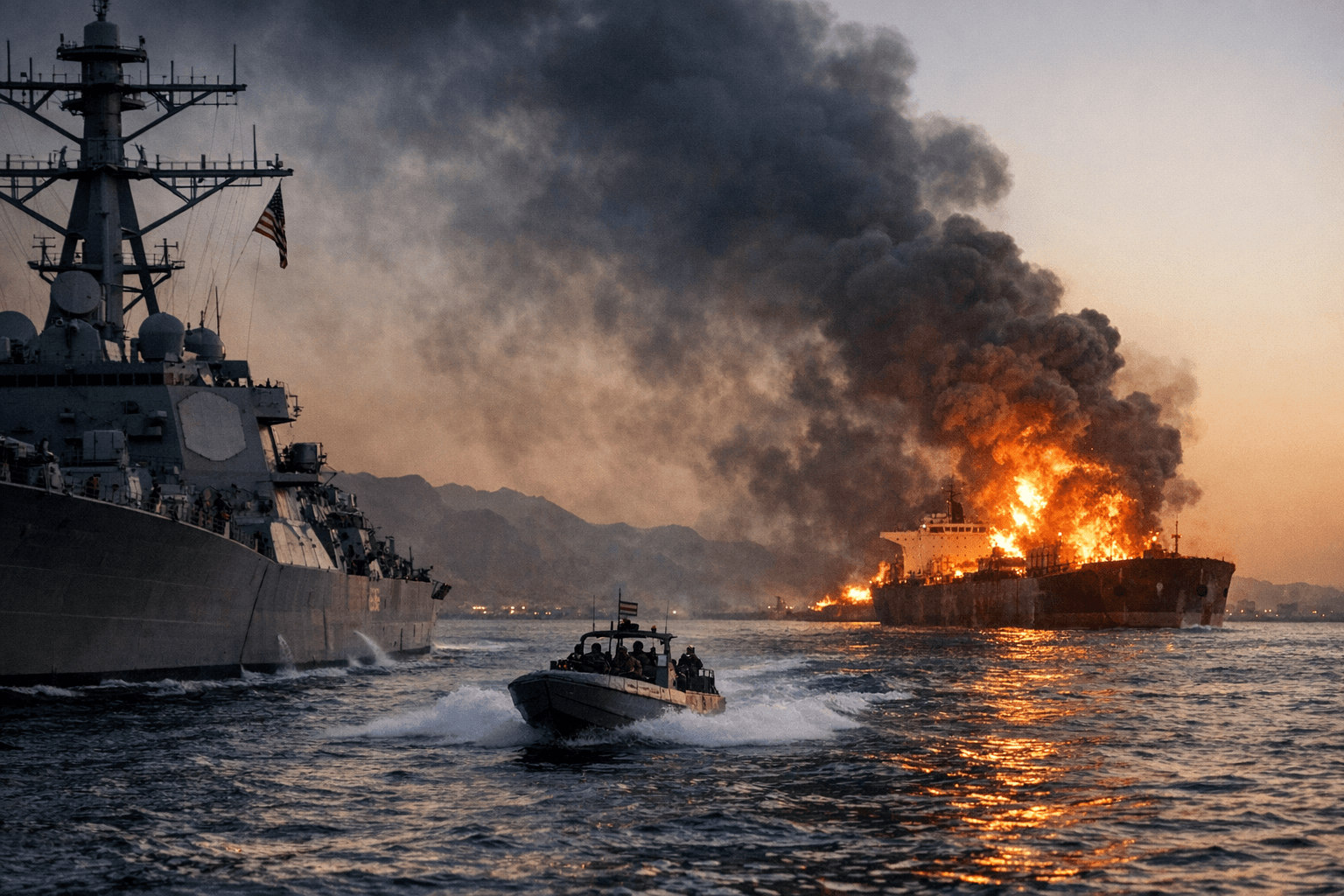
U.S. and Israeli forces struck Kharg Island, Iran's primary oil export hub in the Persian Gulf, through which the country pumps nearly all of its crude production. Targets included bunkers, radar stations, and ammunition depots, and the attack marked the second major strike on the island in less than a month.
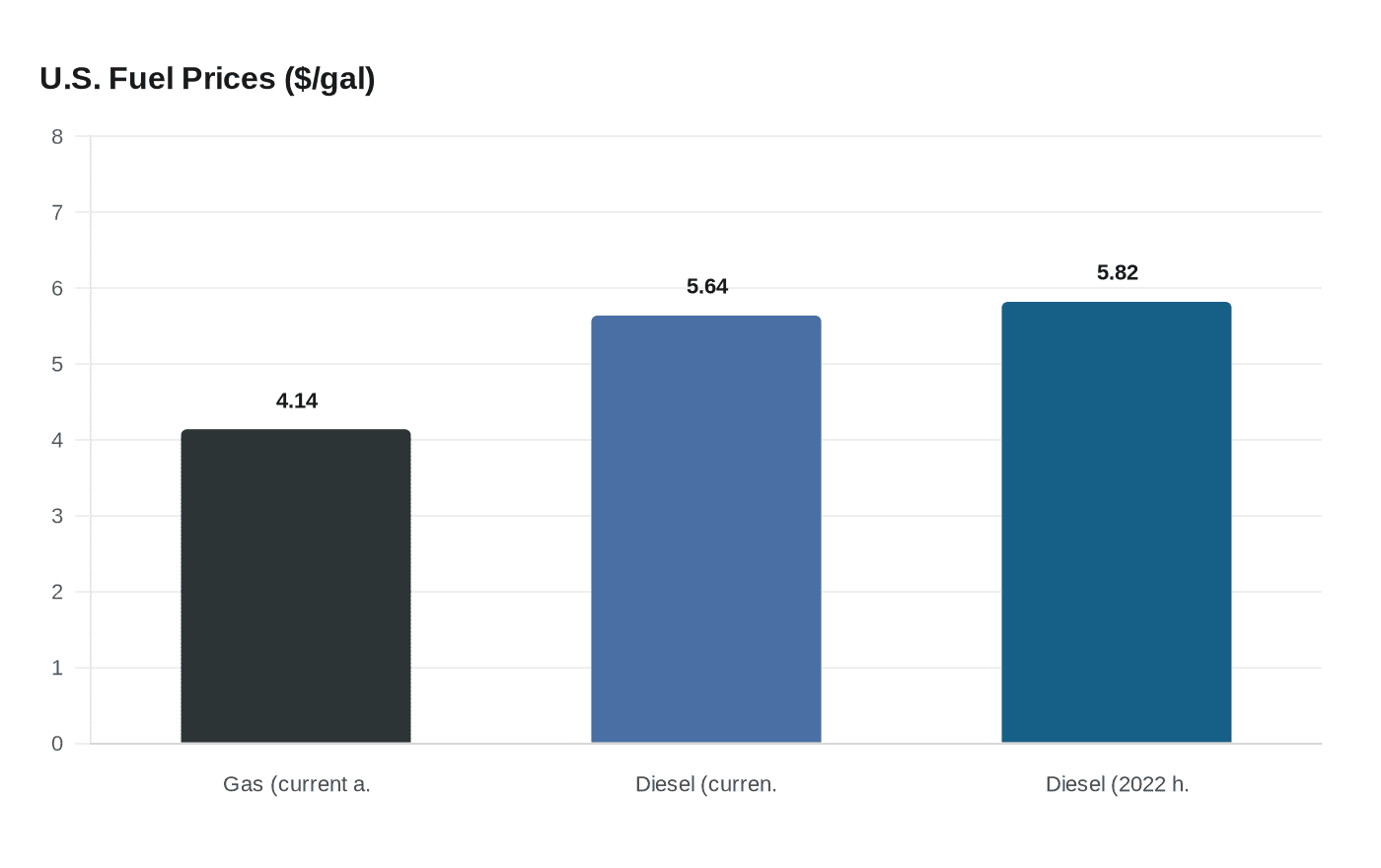
Markets responded to the escalating rhetoric immediately. Crude oil surged above $117 a barrel as the deadline approached, while the S&P 500 fell 1% and the Nasdaq Composite dropped 1.6%. Retail gasoline hit a national average of $4.14 per gallon, while diesel reached $5.64, nearing its 2022 all-time high of $5.82. International Energy Agency executive director Fatih Birol described the crisis as "more serious than the ones in 1973, 1979 and 2002 together," adding that the world had "never experienced a disruption to energy supply of such magnitude." The Strait carries roughly 20% of global oil flows, and IEA member nations had already agreed to release strategic reserves amid the blockade.
The legal exposure surrounding Trump's stated intentions was substantial. The United Nations warned that Trump's threats to target Iran's power plants and bridges could constitute war crimes if carried out. Former Human Rights Watch executive director Kenneth Roth was direct: "Trump is openly threatening collective punishment, targeting not the Iranian military but the Iranian people," adding that collective punishment of civilians during armed conflict is prohibited under international law.
Iran's Islamic Revolutionary Guard Corps declared that it would "act against American infrastructure and its partners in a way that will deprive the Americans and its allies of regional oil and gas for years," and warned that "all such precautions have been removed" on retaliatory targeting. On the ground, Iranian officials urged young people to form human chains to protect power plants as Tehran scrambled to shield civilian infrastructure from threatened strikes. A U.S. official said Iran had linked the reopening of Hormuz to sanctions relief, and that Washington was open to easing some sanctions, especially on Iran's oil sector, in part to stabilize the global oil market.
The rhetoric divided Washington sharply. Democratic Rep. Ro Khanna stated: "Let me tell you what won't reopen the Strait of Hormuz: threatening war crimes or bombing indiscriminately power plants, cursing at Iran." Democratic Rep. Ilhan Omar pushed for Trump to be removed from office, while Rep. Yassamin Ansari, who is of Iranian descent, called the president "deranged" and invoked the 25th Amendment. Republicans, by contrast, characterized the threats as leverage.
Negotiations reportedly continued, with the possibility that Trump would extend the deadline yet again. Trump's post added that "now that we have Complete and Total Regime Change, where different, smarter, and less radicalized minds prevail, maybe something revolutionarily wonderful can happen." The optimistic caveat did little to soften the diplomatic reality: with both sides trading strikes in the Persian Gulf and no ceasefire framework in place, the gap between social-media ultimatum and catastrophic miscalculation had narrowed to a matter of hours.
Sources:
Know something we missed? Have a correction or additional information?
Submit a Tip