Trump-Xi summit narrowed by Iran war, trade tensions persist
Iran has shrunk the Trump-Xi summit to damage control, with a trade truce extension and rare-earth flows looming larger than any breakthrough.
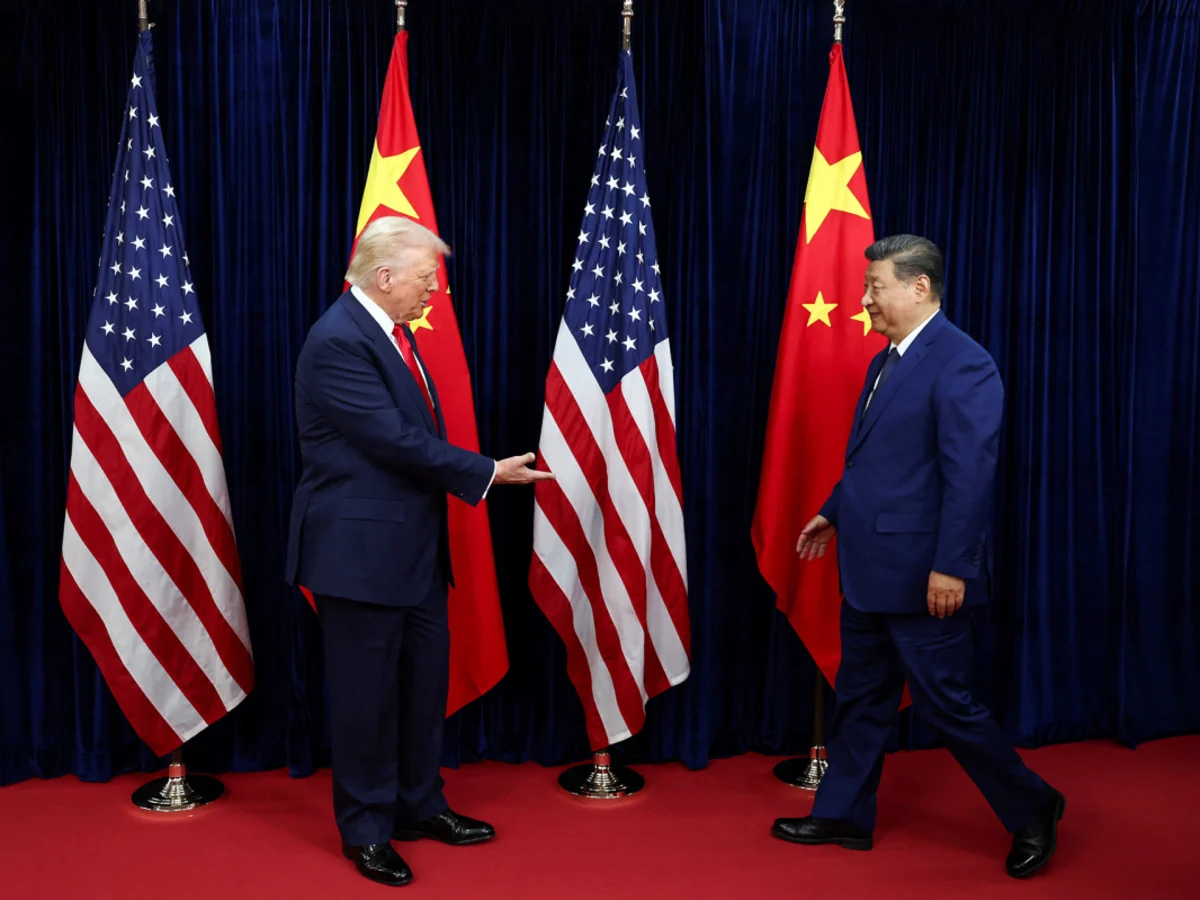
The Iran war has taken what was supposed to be a high-stakes reset between Washington and Beijing and reduced it to a narrow exercise in crisis management. Donald Trump’s planned Beijing visit was pushed from March to May 14-15, and the summit now looks less like a breakthrough moment than a test of how much damage the two powers can contain while their wider rivalry keeps hardening.
Trump and Xi Jinping were expected to meet in Beijing with trade, tariffs, Taiwan, artificial intelligence, export controls, critical minerals, nuclear issues and the Iran war all on the table. But the list itself shows how little room remains for grand bargain-making. Analysts and business leaders expect few, if any, major advances, and the most practical outcome may be a modest extension of the trade truce struck in October 2025.
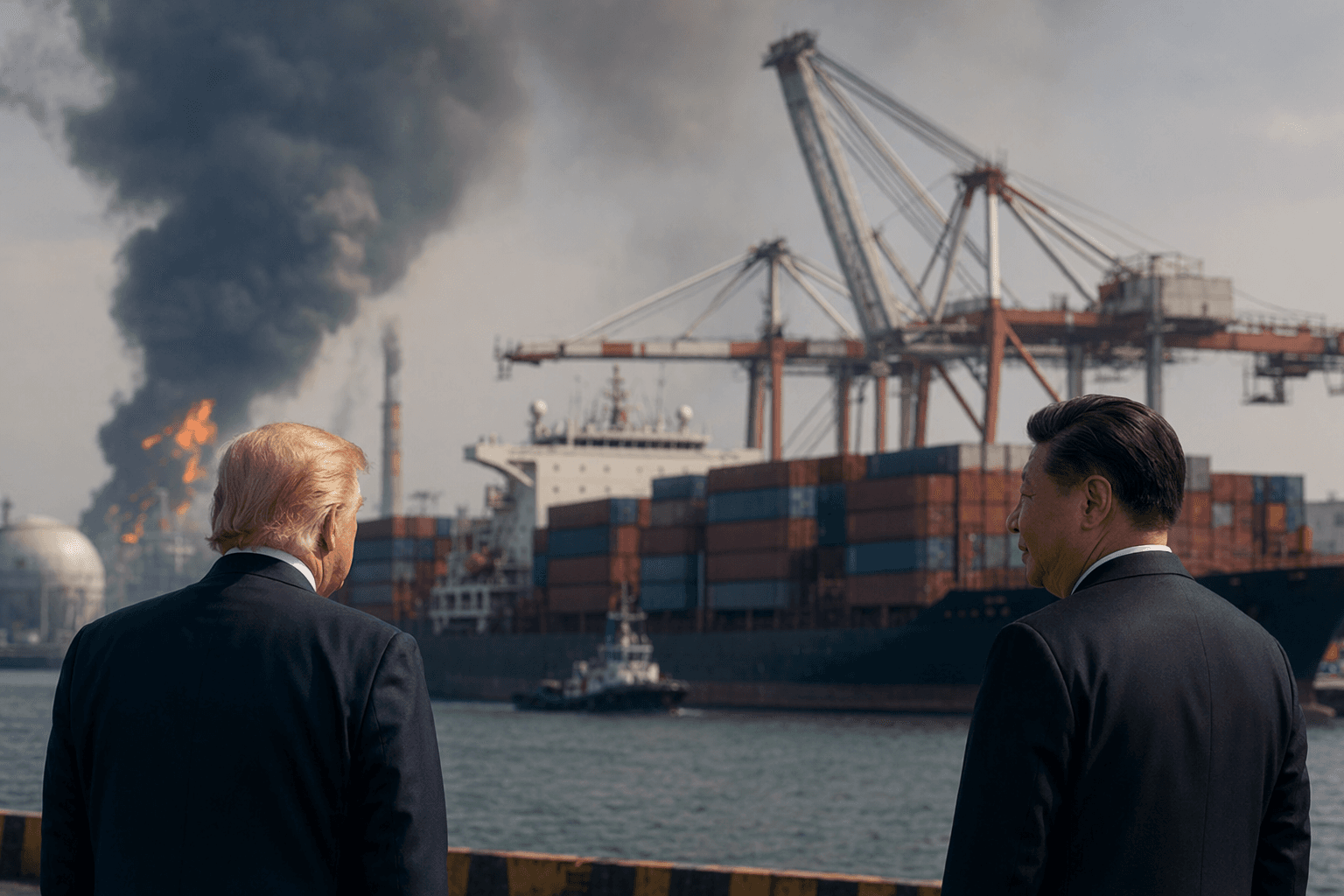
That truce lowered U.S. tariffs on Chinese imports from 57% to 47% and kept Chinese rare-earth shipments flowing to the United States. Now both sides have reasons to preserve it. U.S. companies want stability for supply chains, rare-earth access, market openings and regulatory approvals. China wants relief on advanced semiconductors and leverage over Washington’s restrictions. Boeing and Cargill are among the names linked to potential purchase agreements, including a possible Boeing aircraft order from China, underscoring how much the summit has become about transactions rather than transformation.
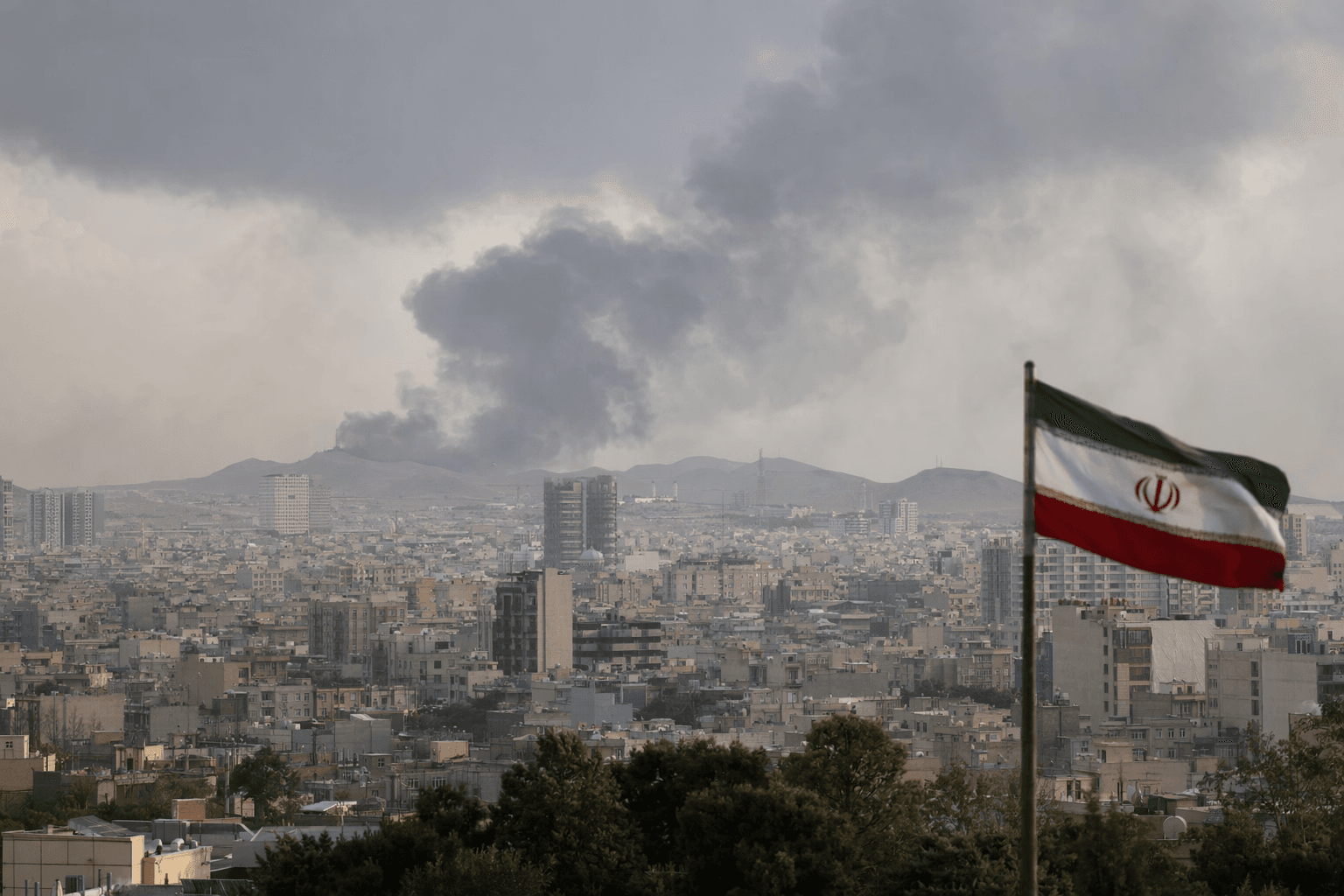
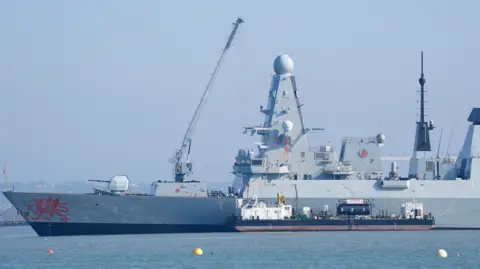
The Iran fight has made the politics even sharper. The U.S. Treasury Department imposed sanctions in April on a refinery in China over purchases of Iranian oil, and Beijing said on May 2 that it would not comply. That clash gives Xi another reason to push back as Trump arrives under pressure from a war that has unsettled the Strait of Hormuz, global oil markets and the diplomatic calendar. Chinese officials and analysts see an opening to press their own interests while Trump’s attention is split.
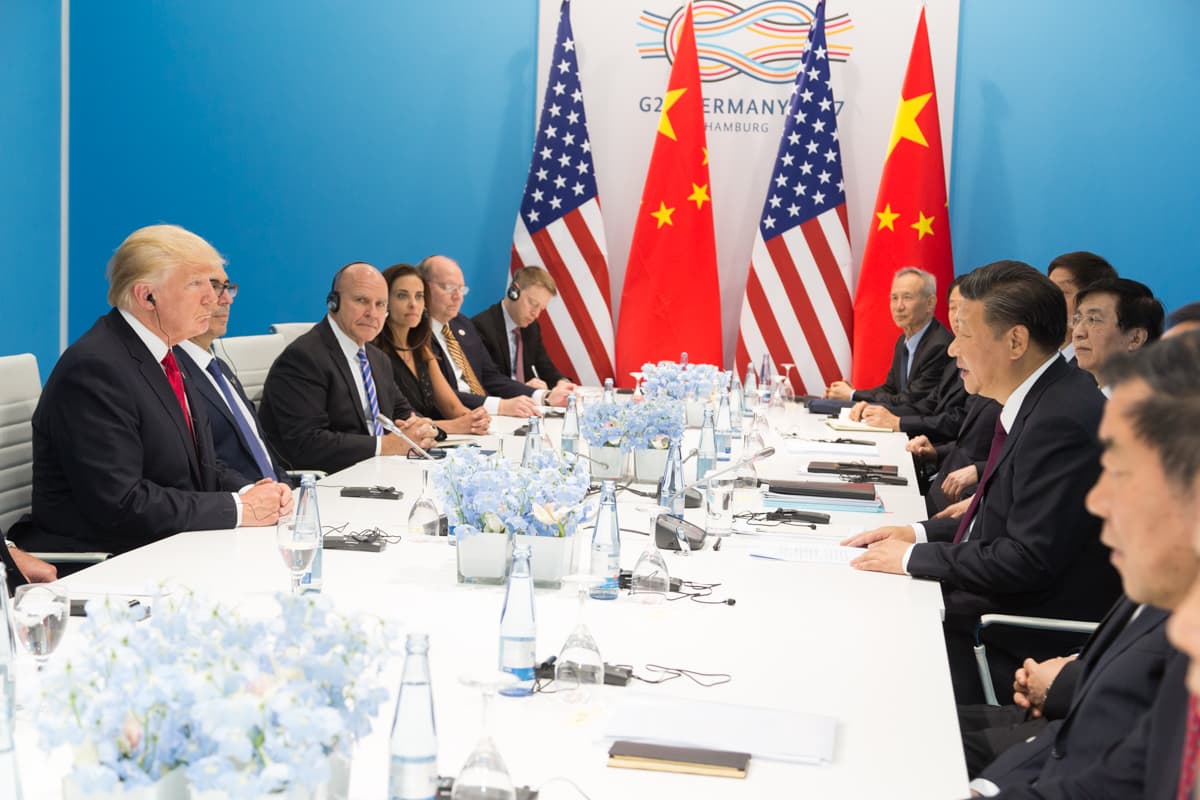
The optics also matter. Trump is expected to arrive with a smaller-than-typical business delegation, even as the White House invited executives including Elon Musk, Tim Cook, Larry Fink and Kelly Ortberg. More than a dozen CEOs and top business leaders were expected to accompany him, from Tesla, BlackRock, Illumina, Mastercard and Visa, a sign that Washington still wants concrete purchase deals and easier access in China. But this will be the first visit to China by a U.S. president since November 2017, and the fact that the summit is being framed around keeping tensions from worsening says as much about the limits of U.S.-China statecraft as any agreement could.
Know something we missed? Have a correction or additional information?
Submit a Tip