Trump-Xi summit tests uneasy partnership amid Iran crisis and trade tensions
Iran’s squeeze on the Strait of Hormuz is pushing Trump and Xi toward the same agenda, but the summit looks more like crisis management than reset.

A war in the Middle East has pushed Donald Trump and Xi Jinping toward the same table, but the shared anxiety looks tactical, not transformational. The planned meeting in Beijing on May 14-15 comes after the White House said it was rescheduled because of U.S. military action in Iran, and the immediate pressure point is not ideology but the flow of oil, ships and trade through the Strait of Hormuz.
Scott Bessent sharpened that message on May 4, urging Beijing to intensify diplomatic efforts to persuade Iran to reopen the strait to international shipping. That appeal exposed the specific source of disorder driving the moment: a regional crisis with global energy and shipping consequences, layered on top of an already fragile U.S.-China relationship. U.S. and Chinese economic officials also held a video call shortly before the summit, and both sides described the talks as candid, a sign that channels remain open even as the rivalry deepens.
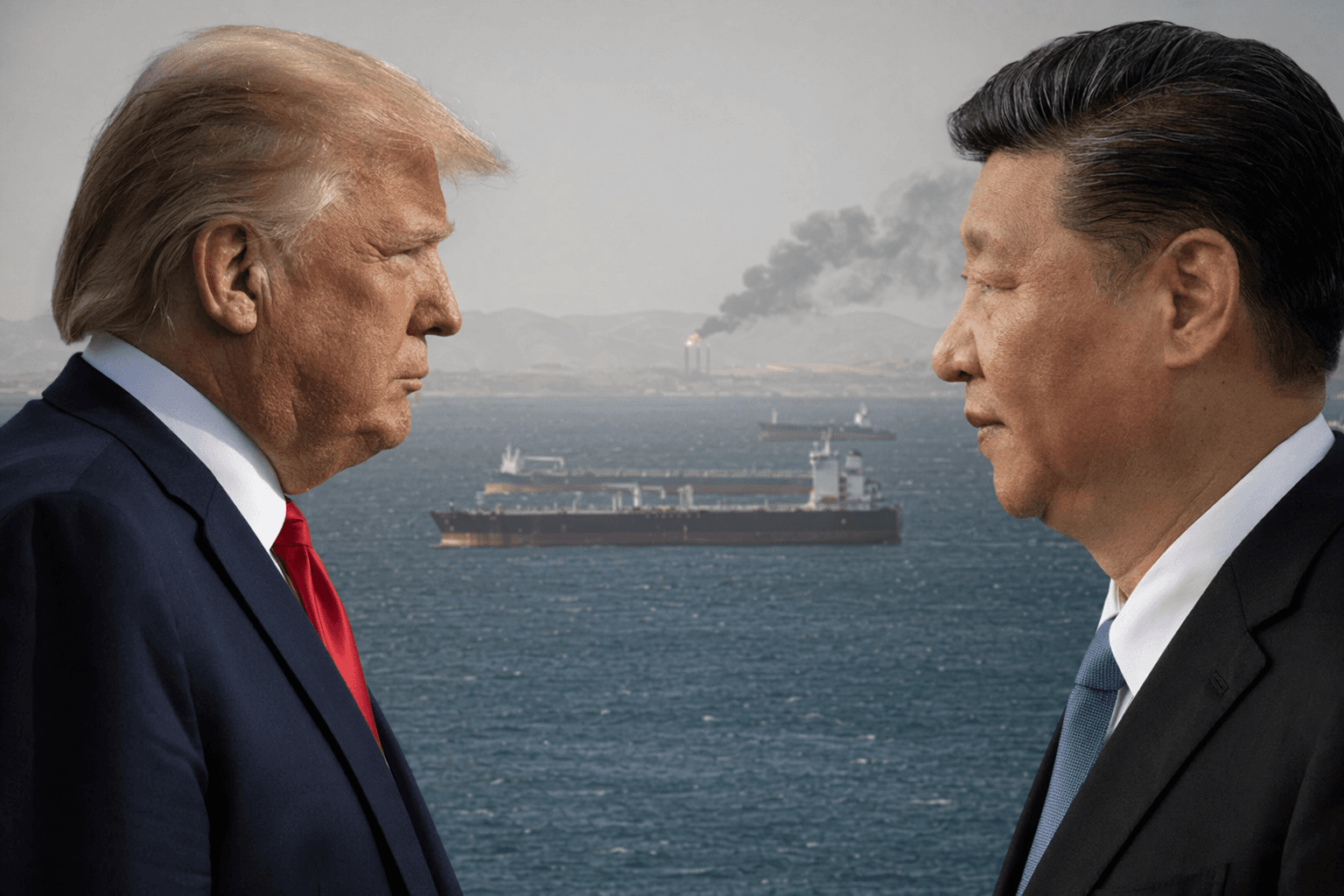
The historical comparison to Richard Nixon and Mao Zedong is tempting, but this moment is not 1972. Nixon met Mao on February 21, 1972, and the visit helped produce the Shanghai Communiqué, a major step toward normalization. Today, Washington still frames China as a strategic competitor, and the geopolitical landscape is far more crowded. China’s alignment with Russia, its much larger economic weight, and the current instability across the Middle East create conditions that analysts say have no true Cold War analogue.
That is why the summit is unlikely to deliver the kind of breakthrough that once followed the Nixon-Mao opening. Recent policy commentary says the best outcome is probably management of competition, not a grand reset. Trade remains unsettled, technology restrictions still define the relationship, and issues from artificial intelligence and Taiwan to supply chains have not been resolved. China has signaled interest in a trade deal, but it has also shown it is ready to retaliate if pressured, leaving both sides with incentives to talk and limits on what they can concede.
The result is an uneasy partnership shaped by necessity. The Trump-Xi meeting may ease immediate shocks from Iran and keep economic talks alive, but the deeper contest between Washington and Beijing remains intact.
Know something we missed? Have a correction or additional information?
Submit a Tip

