Trump’s agenda faces hundreds of lawsuits, courts block key actions
Hundreds of lawsuits have boxed in Trump’s second term, with roughly 150 actions partly or fully blocked as tariff fights, immigration orders and DOGE cuts hit the courts.
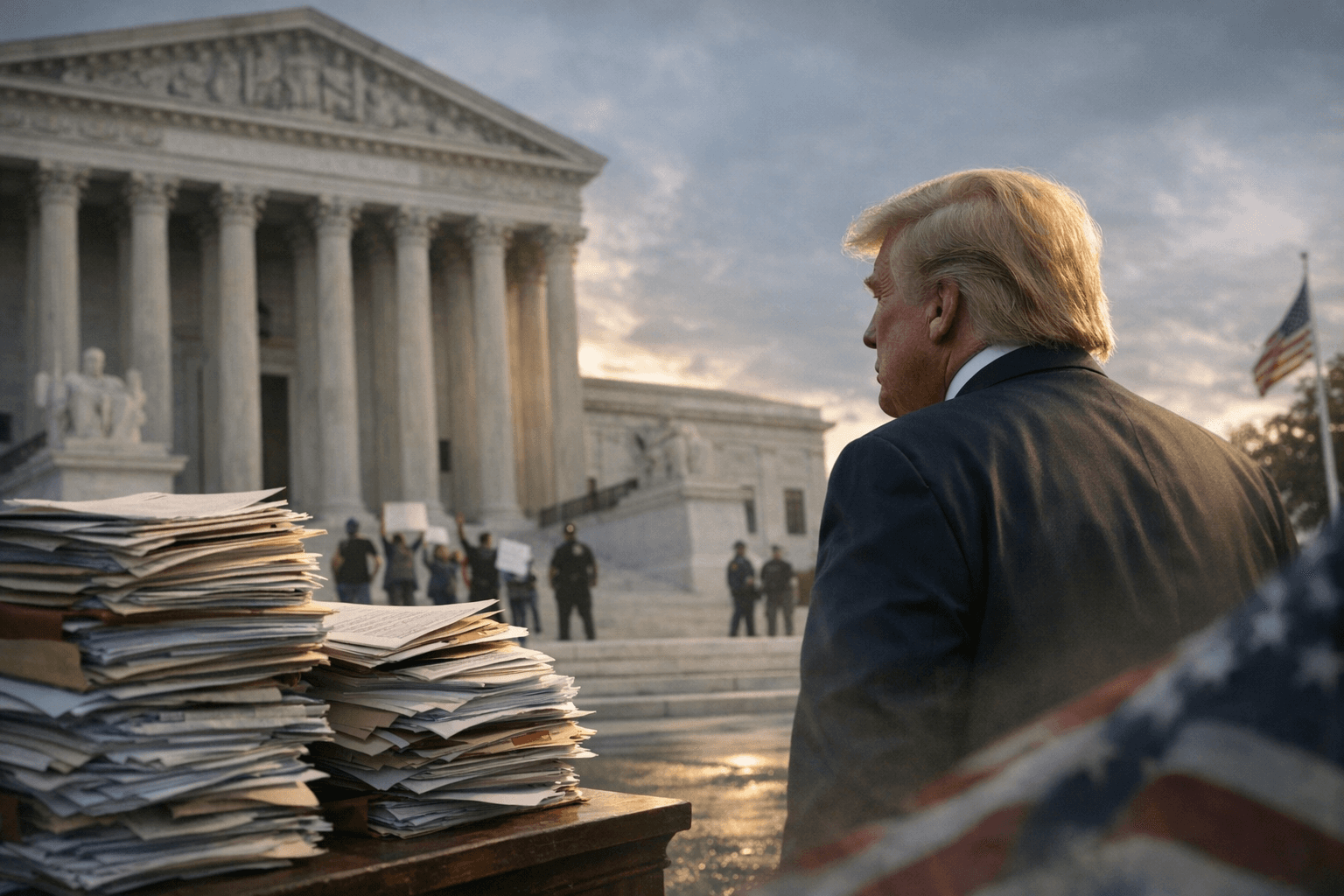
Donald Trump’s second term has met a wall of litigation. AP’s lawsuit tracker says hundreds of suits have been filed against the administration, and courts have already partially or fully blocked about 150 executive actions while 102 remain in effect and 107 are still pending.
The resistance has spread across the core of Trump’s agenda. Judges have been asked to weigh in on agency cuts, birthright citizenship, the Department of Government Efficiency, immigration crackdowns, tariff moves, public data access and transgender rights, turning the courtroom into a parallel arena of governance. In many cases, the courts have slowed implementation; in others, they have stopped it outright, forcing the administration to keep appealing while trying to preserve the shape of its policy agenda.
The tariff fight may be the clearest test of how far the courts can go. On April 10, the U.S. Court of International Trade was weighing the legality of a 10% global import tax imposed on February 24, after earlier tariffs were struck down by the Supreme Court in February. Twenty-four mostly Democratic-led states and two small businesses sued to block the new levies, arguing that the administration had overreached again. If the court rejects Trump’s tariff authority, it would not just delay a policy rollout; it could undercut one of the signature tools of his economic strategy.
Immigration has generated a different kind of legal friction, one that has slowed policy at the border and in removal proceedings. In the administration’s first 100 days, Trump ended use of CBP One, a border app that had allowed nearly 1 million people to legally enter the United States with work eligibility, and invoked the Alien Enemies Act of 1798 to deport members of a Venezuelan gang. Both actions triggered court battles that exposed how quickly the president’s hardest-line moves can collide with statutory limits and judicial review.
The legal fights have unfolded against a weak political backdrop. AP-NORC polling on March 19 found that 38% of U.S. adults approved of Trump’s job performance, while 60% disapproved. On February 5, about two-thirds called the economy poor and 69% said the country was headed in the wrong direction. Those numbers matter because Trump is pressing ahead on tariffs, immigration and agency restructuring at the same time that courts are already constraining execution. The result is a presidency defined not just by executive action, but by how much of it survives review.
This article was produced by Prism’s automated news system from verified source data, official records, and press releases, then run through automated quality and moderation checks before publishing. The system is built and supervised by the people who set the standards it runs under. Read our full AI policy.
Did this article answer your question?

