Trump’s anime posts spark backlash in Japan over cultural misuse
Trump’s anime posts ignited a backlash in Japan, where a petition topped 23,000 signatures after an AI video cast him as Naruto and fans denounced the cultural misuse.
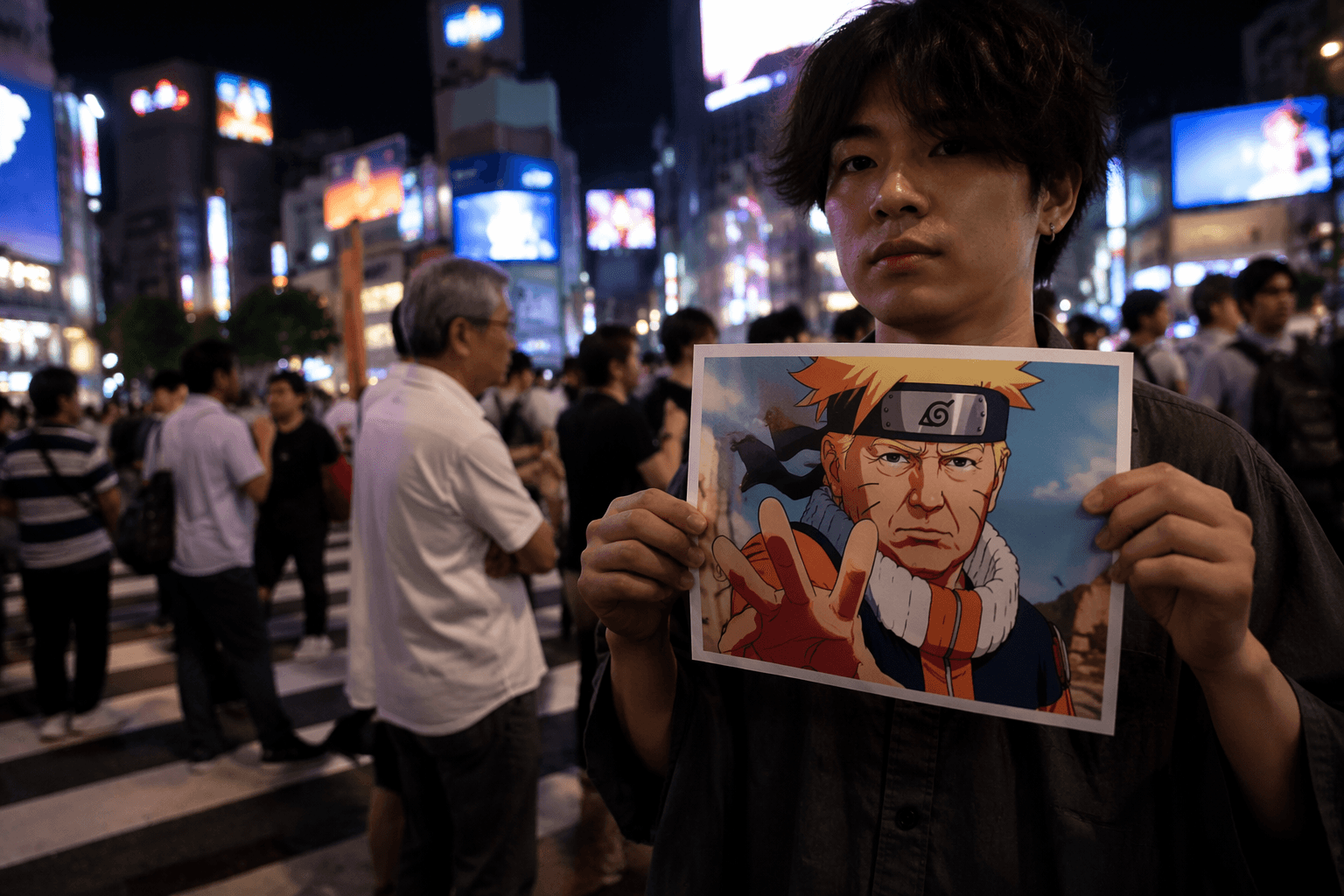
Donald Trump’s use of anime and manga imagery has become more than a social-media stunt. In Japan, it has sharpened into a dispute over respect for creators, copyright, and the way American politics borrows from Japanese culture for military and partisan messaging. The backlash intensified after a June 6 AI-generated Truth Social video showed Trump as Naruto Uzumaki, adding to earlier White House posts that folded anime into political branding.
The anger had been building since March 2026, when fans noticed a pattern of White House posts that mixed Japanese pop-culture icons with hard-edged political imagery. One official White House X post combined footage of U.S. military strikes on Iran with clips from Yu-Gi-Oh! and Dragon Ball. Another post placed “Make America Great Again” over a screenshot from a Pokemon video game. For many Japanese fans, the issue was not just taste but context: characters associated with courage, friendship, and perseverance were being placed into a military frame that clashed with the spirit of the works.
That tension quickly spilled into a rights and licensing fight. The official Yu-Gi-Oh! account said the White House had used footage from the series without authorization, and the controversy drew fresh attention to how political messaging can cross into unauthorized use of protected material. The problem was amplified by the Naruto video, which recast Trump in the image of one of Japan’s most recognizable fictional heroes, turning a global pop-culture symbol into campaign-style spectacle.
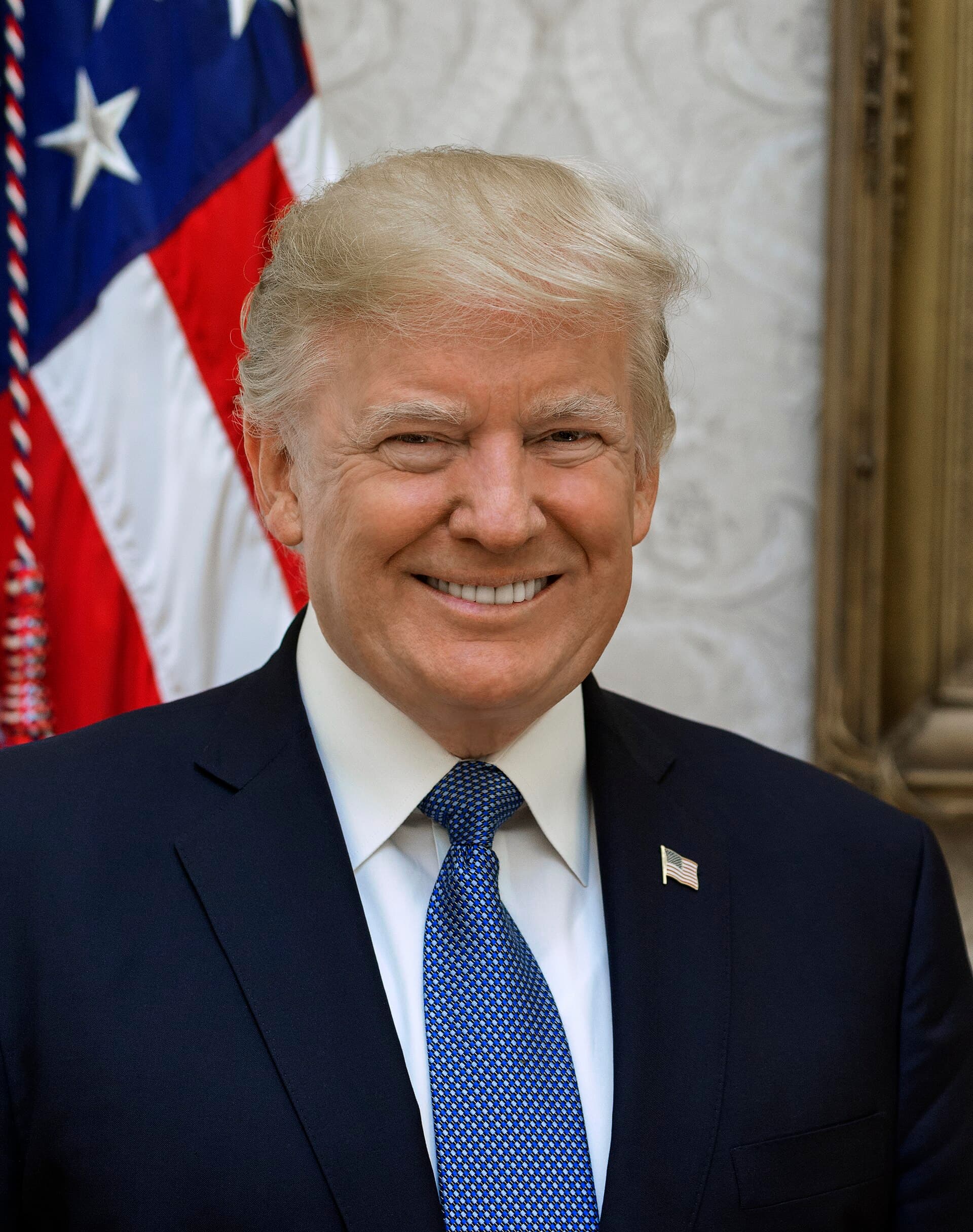
An online petition in Japan first launched in March, then reopened on June 9 as an urgent appeal after the Naruto post. By June 10, it had nearly 20,000 signatures, and by June 11 it had climbed above 23,000. The petition argues that using these works without permission raises concerns about copyright, creator rights, and the cultural meaning attached to Japanese pop-culture icons.
The dispute now stands as a test case for cultural diplomacy between the United States and Japan. Anime travels easily across borders, but its characters carry commercial and emotional value that rights holders guard closely. When political actors use those images without permission, the result can feel less like tribute than misuse, and the damage can extend beyond fandom into the broader relationship between two countries that have long traded in culture as well as policy.
This article was produced by Prism’s automated news system from verified source data, official records, and press releases, then run through automated quality and moderation checks before publishing. The system is built and supervised by the people who set the standards it runs under. Read our full AI policy.
Know something we missed? Have a correction or additional information?
Submit a Tip