Trump’s Cuba threats reopen Cuban-American fight over seized property claims
Trump’s Cuba pressure revived old property claims, from a Havana bank seized at gunpoint to nearly 6,000 U.S. entities still waiting for restitution.
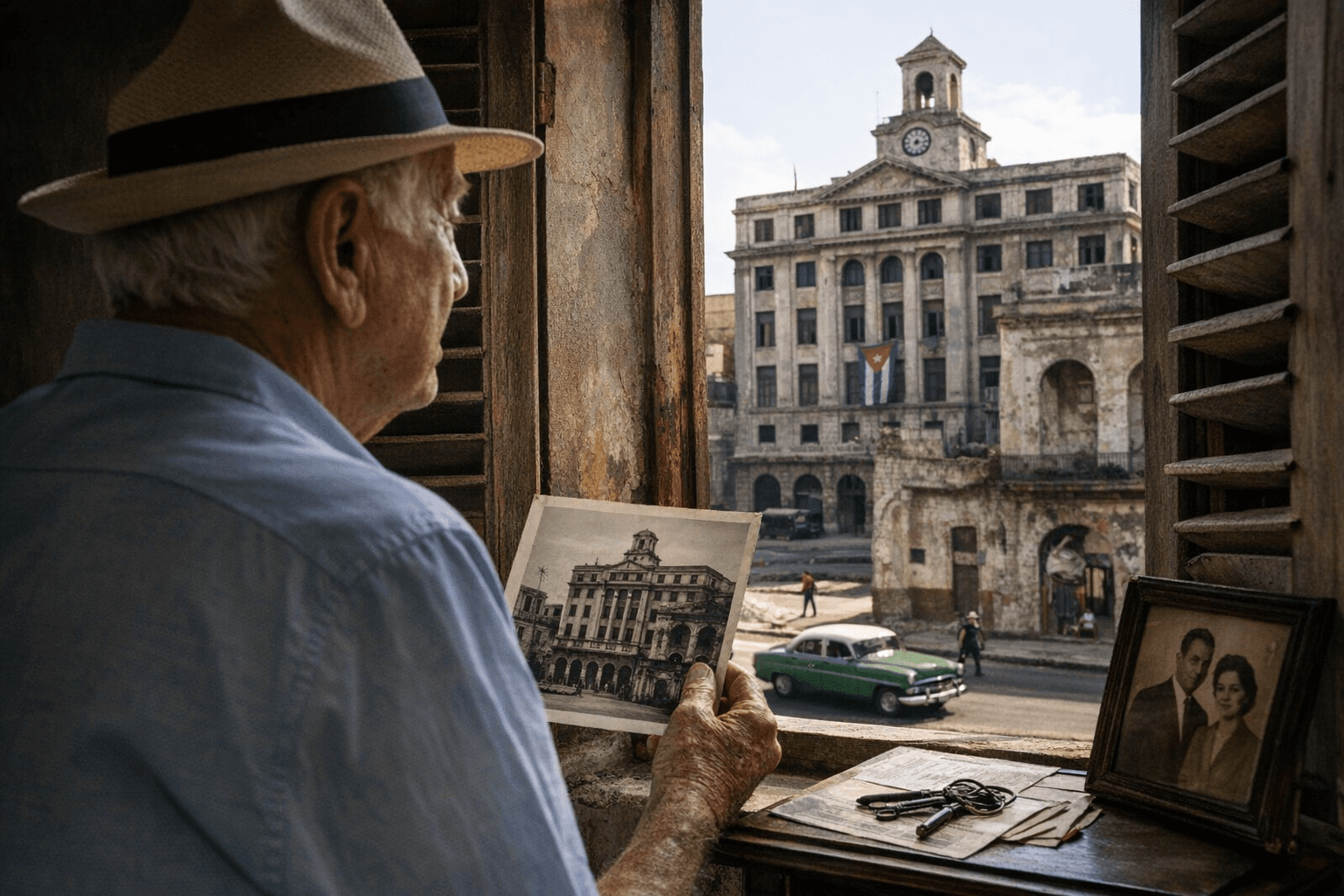
A machine gun in a Havana bank in November 1960 still shaped the way Raul Valdes-Fauli saw Cuba, and now Donald Trump’s renewed hard line is forcing that memory back into U.S. politics. Valdes-Fauli, an attorney and former mayor of Coral Gables, Florida, carried the family story of the Pedroso Bank, where a revolutionary agent walked in and ordered them out after Fidel Castro’s rise to power. His family was branded with the slur gusanos, and the seizure became part of a wider exile grievance that has never fully gone away.
That unresolved wound now sits at the center of a new pressure campaign on Cuba. The Trump administration severely limited oil shipments to Cuba starting in January 2026, deepening fuel shortages, higher prices and nationwide blackouts on the island. Cuban officials said they were preparing for possible U.S. military aggression, even as early talks between Washington and Havana were said to be underway. For Cuban Americans with long-held claims to confiscated homes, banks, businesses and farmland, the pressure has revived hope that regime change could finally open a path to restitution. It has also revived fear that a fast diplomatic bargain could leave them with little leverage.
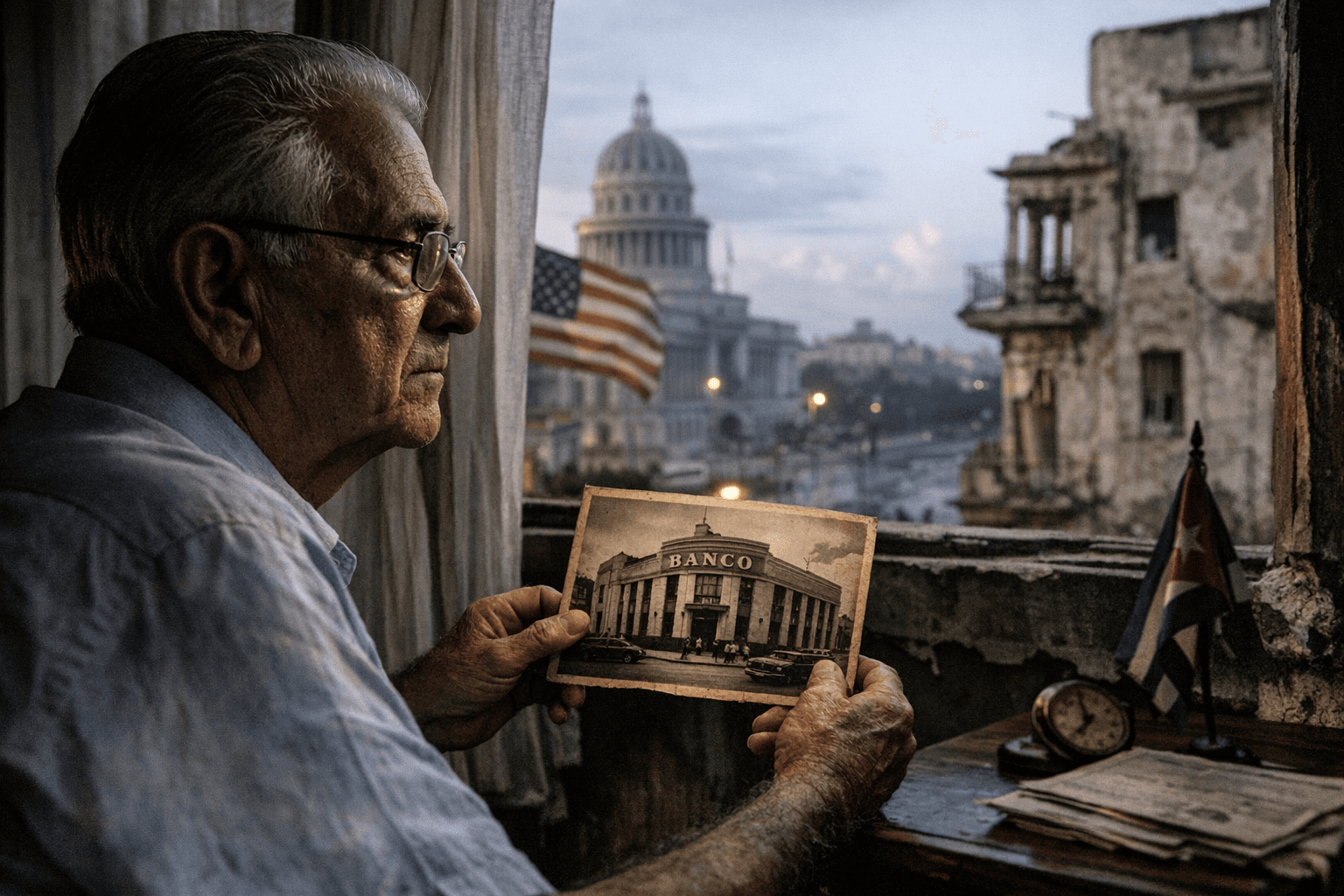
The legal record is large enough to explain why the issue keeps resurfacing. The Foreign Claims Settlement Commission of the United States says its completed Cuba claims programs registered 8,821 claims and certified 5,913 awards worth $1,902,202,284.95 in principal. The first program covered losses on or after January 1, 1959, after Castro took power, and the Cuban Claims Program was completed on July 6, 1972. A second program was ordered in 2005 after Secretary of State Condoleezza Rice asked the commission to adjudicate previously unaddressed takings after May 1, 1967. The United States has never settled those certified claims with Cuba.
The dispute has returned to court as well. Helms-Burton Title III lawsuits were re-suspended by President Joe Biden on January 14, 2025, then reactivated by the Trump administration in 2025, giving some claimants another route to sue over trafficking in confiscated Cuban property. Recent reporting has said nearly 6,000 U.S. entities could benefit if restitution proposals were formalized, a number that suggests how much money, and how much political power, remains tied to the old expropriations.
That is why the property fight still matters in South Florida and beyond. It is a legal battle over certified claims, a family trauma passed across generations, and a bargaining chip that could shape sanctions, diplomacy and any future U.S.-Cuba deal. For exiles who lost everything in 1959 and after, the question is no longer only what was taken. It is whether Washington will finally force Havana to reckon with it.
This article was produced by Prism’s automated news system from verified source data, official records, and press releases, then run through automated quality and moderation checks before publishing. The system is built and supervised by the people who set the standards it runs under. Read our full AI policy.
Did this article answer your question?


