Trump’s DOJ can still pay Jan. 6 rioters through judgment fund
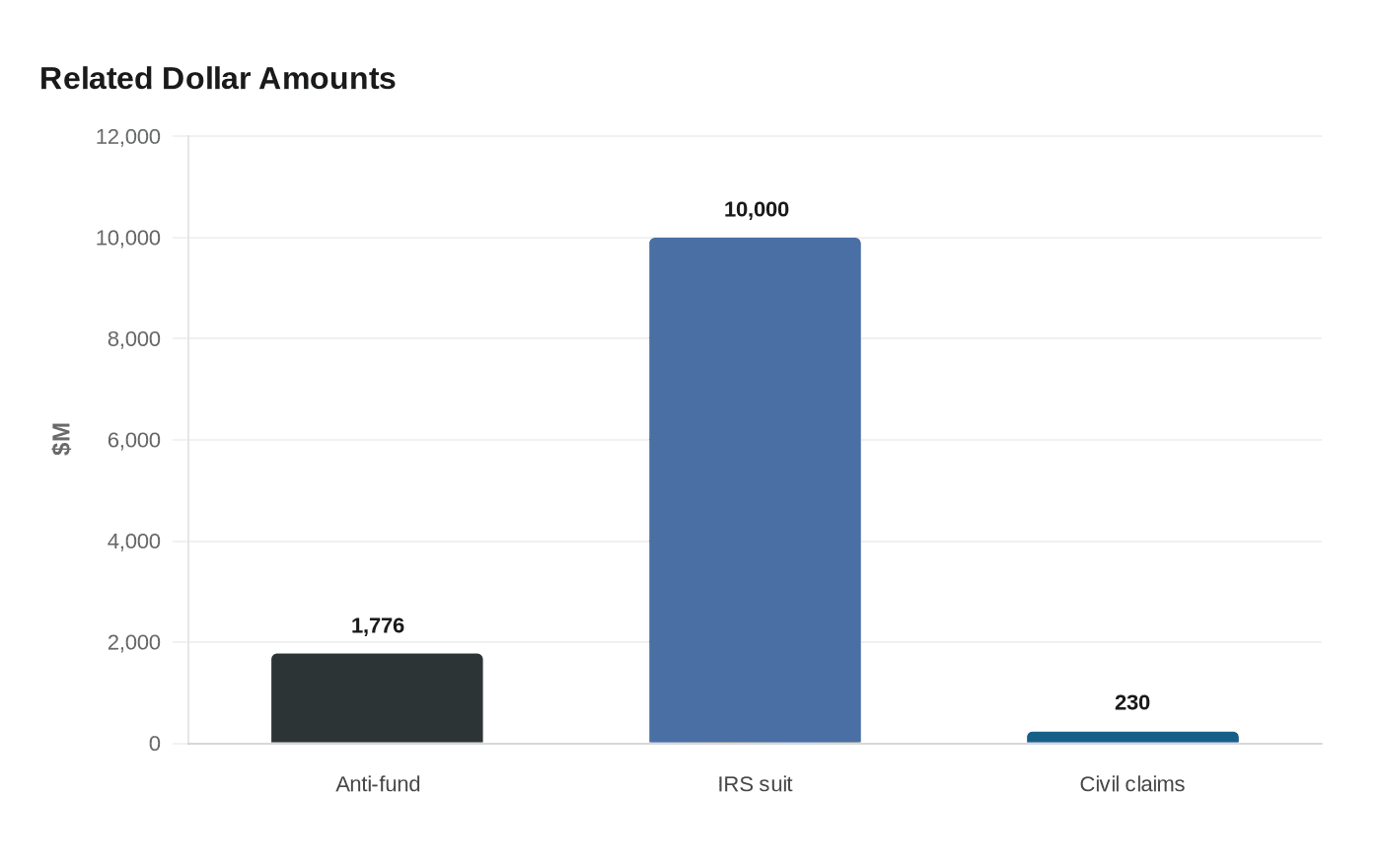
The DOJ’s abandoned $1.776 billion fund may not be dead after all. A separate Treasury account could still route taxpayer money to Jan. 6 defendants through ordinary settlement machinery.
The Trump administration may have backed away from its $1.776 billion anti-weaponization fund, but the legal pathway to pay Jan. 6 rioters still exists inside the government. The Treasury’s Judgment Fund can be used to settle claims against the United States, giving the Justice Department a separate route to move money without asking Congress for a new appropriation.
That matters because the abandoned fund was built to work outside ordinary claims procedures. Under the proposal, a five-member commission that Trump could fire at will would have decided payouts. By contrast, the existing system requires recipients to file formal claims against the government or bring lawsuits, which then can be settled through the Judgment Fund. Treasury describes it as a way to eliminate the procedural burden of securing a fresh congressional appropriation for each judgment.
Acting Attorney General Todd Blanche told Congress this week that the Justice Department was not moving forward with the anti-weaponization fund, but that did not close off the broader question of compensation. A federal judge in Virginia, Leonie Brinkema, temporarily froze payments from the fund on May 29 and set a June 12 hearing to decide whether to impose a longer-term block. In a brief filed Thursday, Sens. Cory Booker of New Jersey and Bill Cassidy of Louisiana argued that the structure “constitutes an end-run around Congress’s institutional authority.”
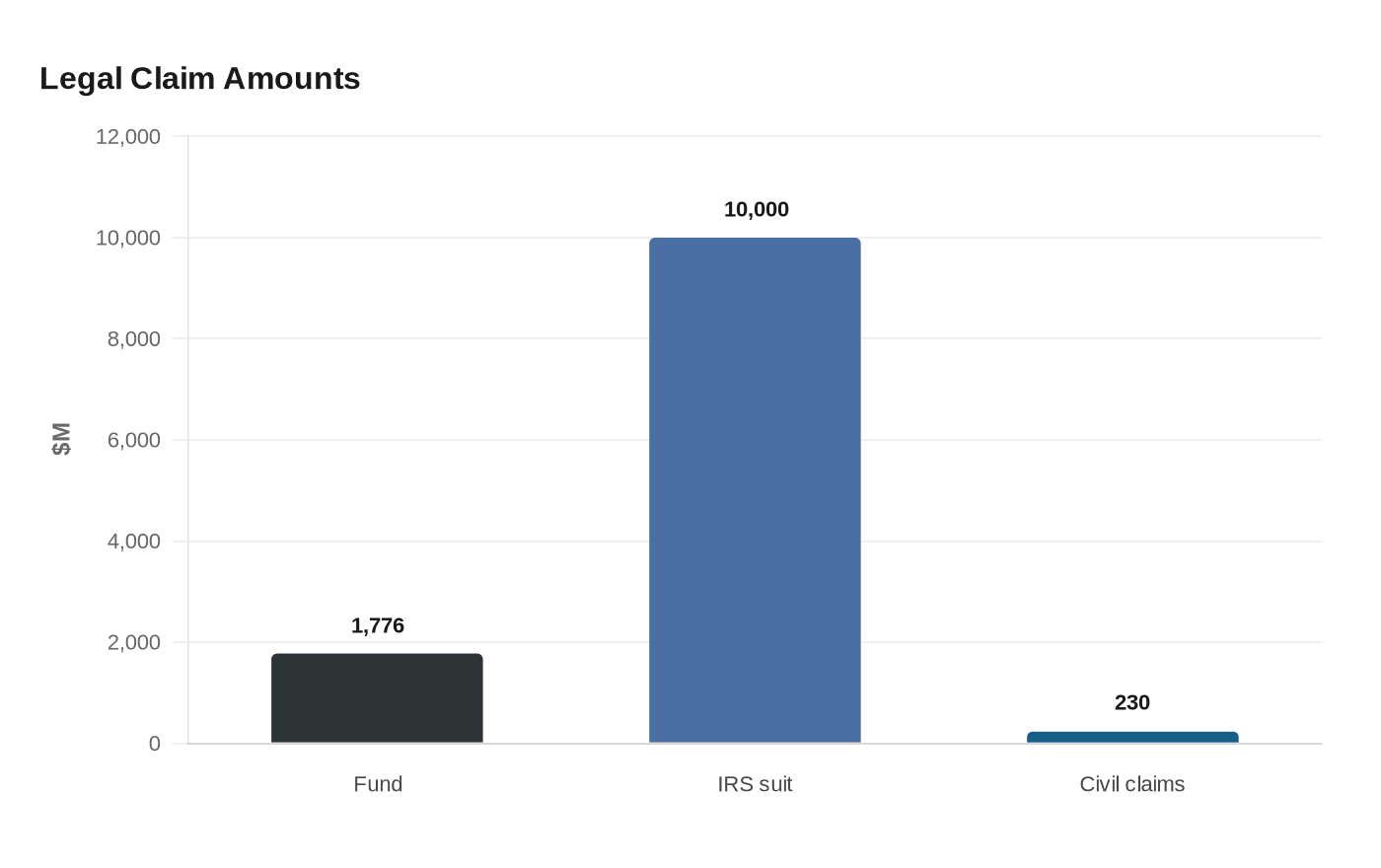
The settlement that created the fund tied it to Trump dropping a $10 billion IRS lawsuit and two additional civil claims worth $230 million. Critics said the arrangement looked like self-dealing and warned that the Judgment Fund itself could be abused because it settles claims against the government out of a federal account that has long raised oversight concerns. That worry sharpened when two Capitol officers, retired U.S. Capitol Police officer Harry Dunn and Metropolitan Police Department officer Daniel Hodges, sued to stop payouts that could reach Jan. 6 defendants and other Trump allies.
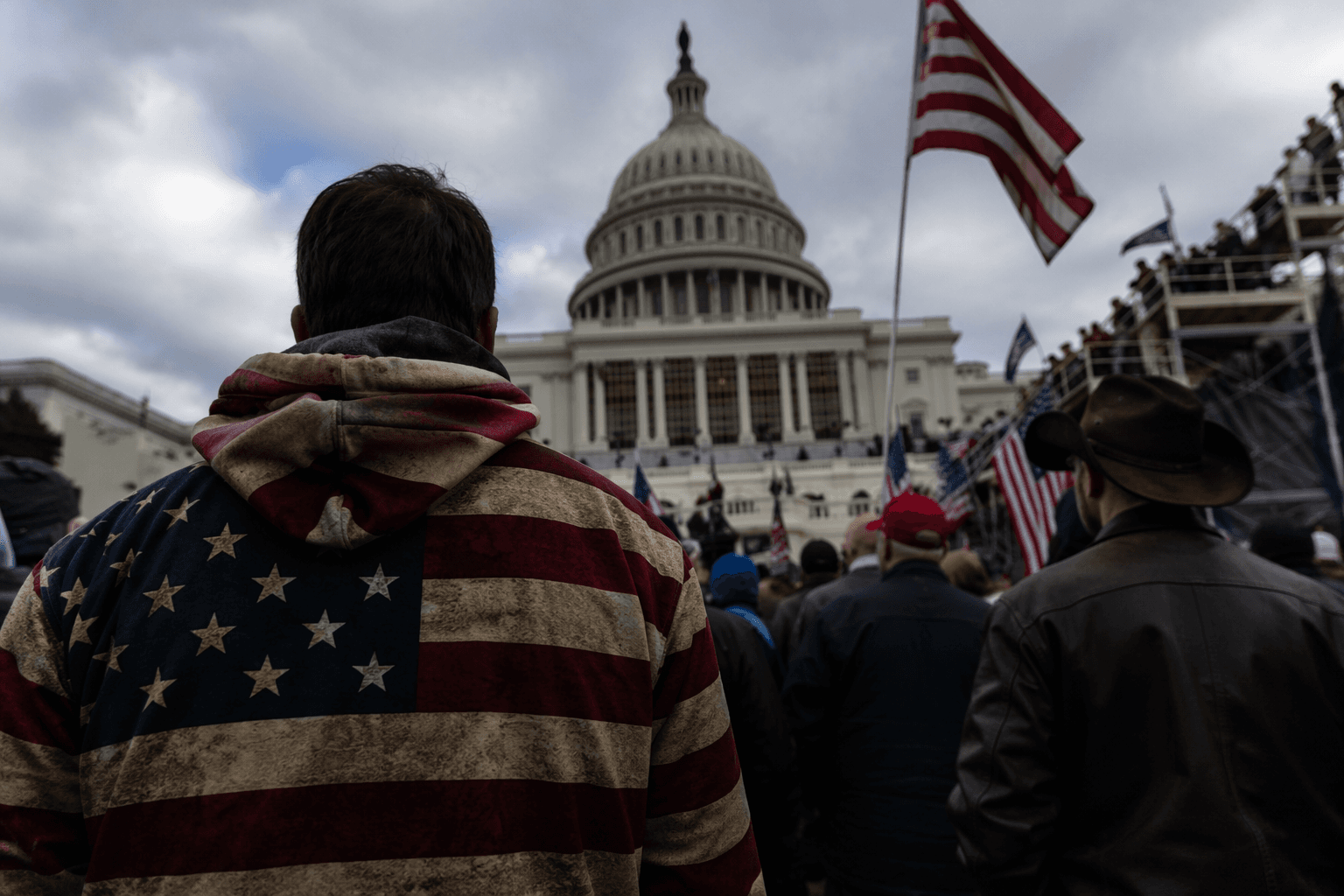
The scale of the underlying riot underscores why the issue remains explosive. The Justice Department brought nearly 1,500 Capitol riot cases, and more than 100 police officers were injured during the attack on the U.S. Capitol. Trump later used a sweeping pardon to erase the Jan. 6 cases, but the legal fight over the money now centers on whether the executive branch can use settlement tools to move public funds around Congress and still stay within the law.
This article was produced by Prism’s automated news system from verified source data, official records, and press releases, then run through automated quality and moderation checks before publishing. The system is built and supervised by the people who set the standards it runs under. Read our full AI policy.
Know something we missed? Have a correction or additional information?
Submit a Tip