Lawfare finds 97 Jan. 6 pardonees reoffended after Trump clemency
Lawfare found 97 Jan. 6 clemency recipients later faced new charges, including sex crimes, DUI and homicide, putting Trump’s pardon sweep under a public-safety lens.

At least 97 people swept up in Donald Trump’s Jan. 6 clemency order later faced new arrests, charges or convictions for crimes unrelated to the Capitol attack, a record that turns the pardon debate into a question of public safety and screening.
Lawfare’s June 4 study said the 97 cases came from more than 1,500 people granted clemency for Jan. 6-related offenses, meaning almost one in 16 recipients later reoffended in some form. The later allegations ranged from low-level misconduct such as property damage, trespassing and possession of drug paraphernalia to serious felonies including grand larceny, stalking, defrauding government agencies, plotting to assassinate law enforcement officials and prominent politicians, child molestation, rape and homicide.
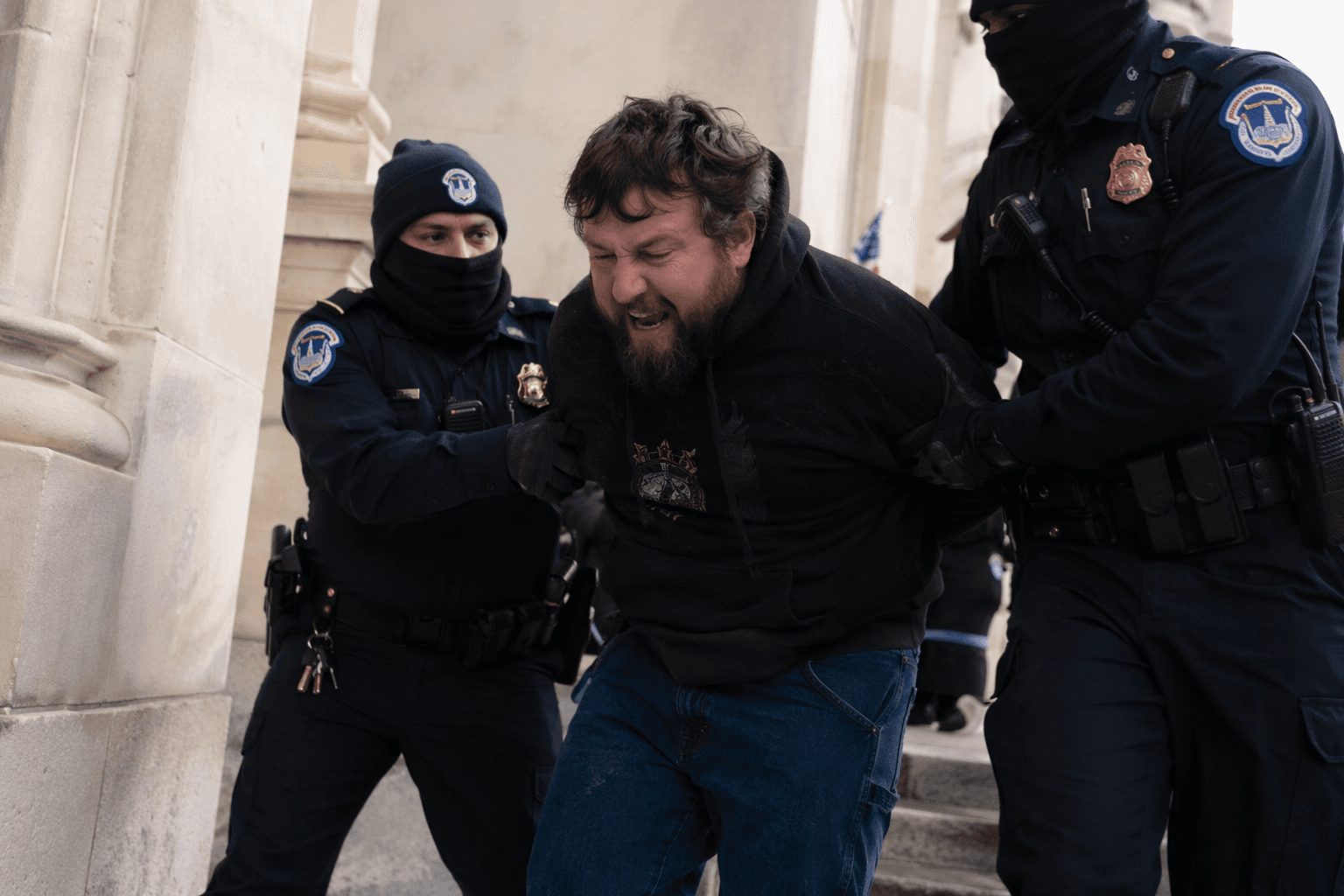
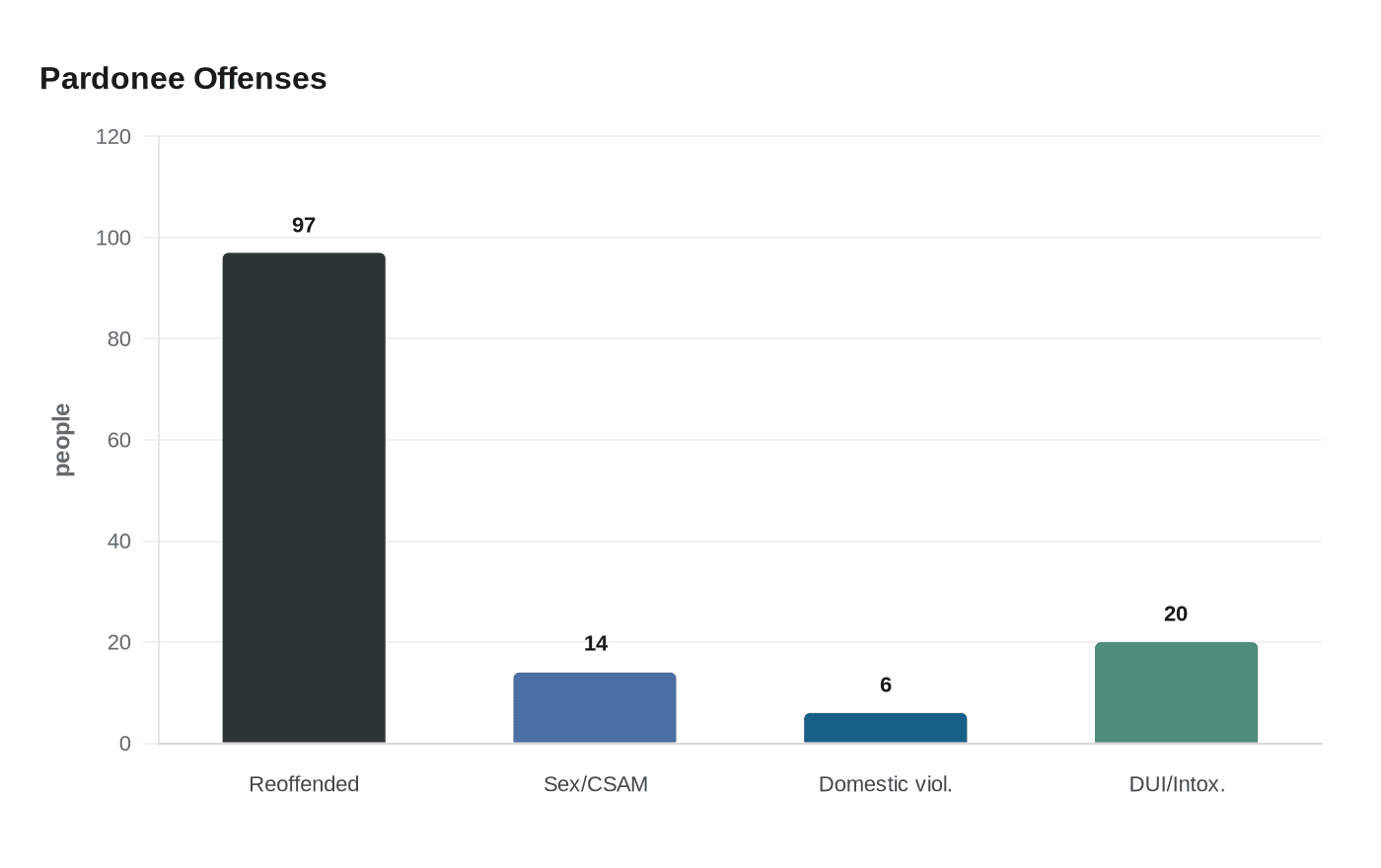
The study said at least 14 pardonees faced sex-crime or child sexual abuse material charges, at least six faced domestic violence charges, and at least 20 were charged with DUI or public intoxication. It also identified five recipients who were arrested for conduct that occurred at least in part after Trump’s Jan. 20, 2025 pardon order, a detail that raises the sharpest accountability question of all: whether blanket clemency simply erased punishment without imposing any meaningful check on future risk.
Several cases underscore the stakes. Andrew Paul Johnson was convicted in February 2026 of child molestation and sentenced to life in prison. Zachary Alam was convicted of felony grand larceny and burglary in 2025. Christopher Moynihan was arrested and charged in October 2025 with making a terroristic threat against House Minority Leader Hakeem Jeffries. Ryan Nichols was charged on May 10, 2026, with deadly conduct and harassment after allegedly brandishing a gun in a church parking lot. Enrique Tarrio was arrested for simple assault in March 2025, though prosecutors later declined to pursue charges.
Trump’s January 2025 action was sweeping. He pardoned about 1,500 people charged in the Capitol attack, commuted the sentences of 14 named defendants, and directed the release of imprisoned defendants and the dismissal of pending Jan. 6 cases. The Justice Department had charged about 1,600 people over the riot, including roughly 600 accused of assaulting or impeding police, and about 1,100 had already pleaded guilty or been found guilty before the clemency order.
A separate CREW analysis, updated June 3, 2026, found at least 40 pardoned insurrectionists had been rearrested, charged or sentenced for other crimes, including 12 who allegedly offended after receiving pardons. The pattern has kept resurfacing in separate cases, including Trump’s November 2025 pardon of Daniel Wilson for a separate firearms offense, and it suggests the central issue is not partisan outrage but whether mass political clemency came with any real standards at all.
This article was produced by Prism’s automated news system from verified source data, official records, and press releases, then run through automated quality and moderation checks before publishing. The system is built and supervised by the people who set the standards it runs under. Read our full AI policy.
Know something we missed? Have a correction or additional information?
Submit a Tip