Trump's First Year of Tariffs Yields Job Losses, Inflation, and Mixed Trade Results
Sony raised PlayStation prices $50 and the U.S. shed 83,000 factory jobs in Trump's first tariff year, even as the trade deficit fell for 10 consecutive months.
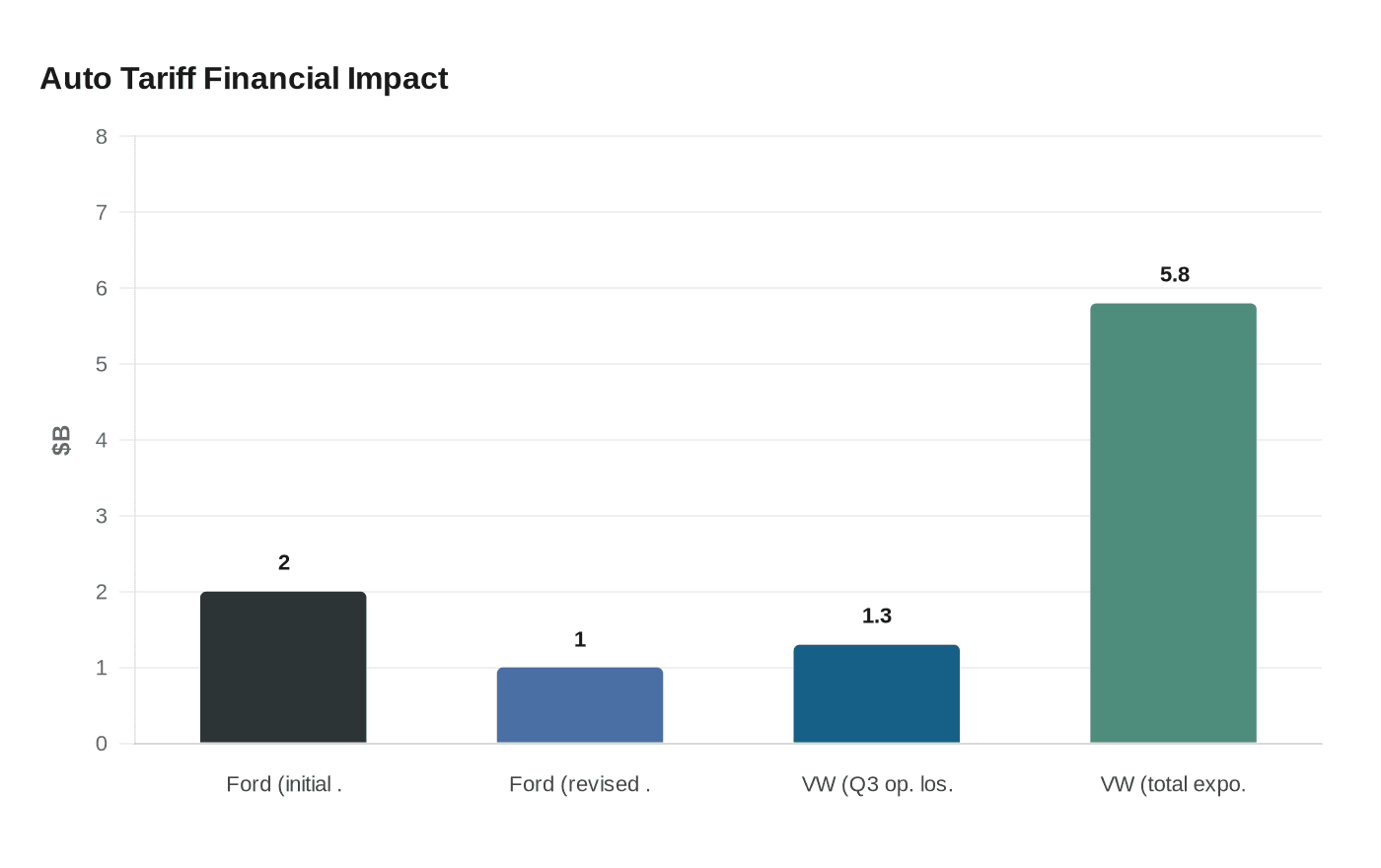
The PlayStation 5 now costs at least $50 more than it did a year ago. American manufacturers shed roughly 83,000 jobs. And the U.S. trade deficit, the metric the Trump administration staked its credibility on, fell for 10 consecutive months. That is the contested ledger of the most dramatic American trade experiment in a century, and it refuses to resolve into a clean verdict.
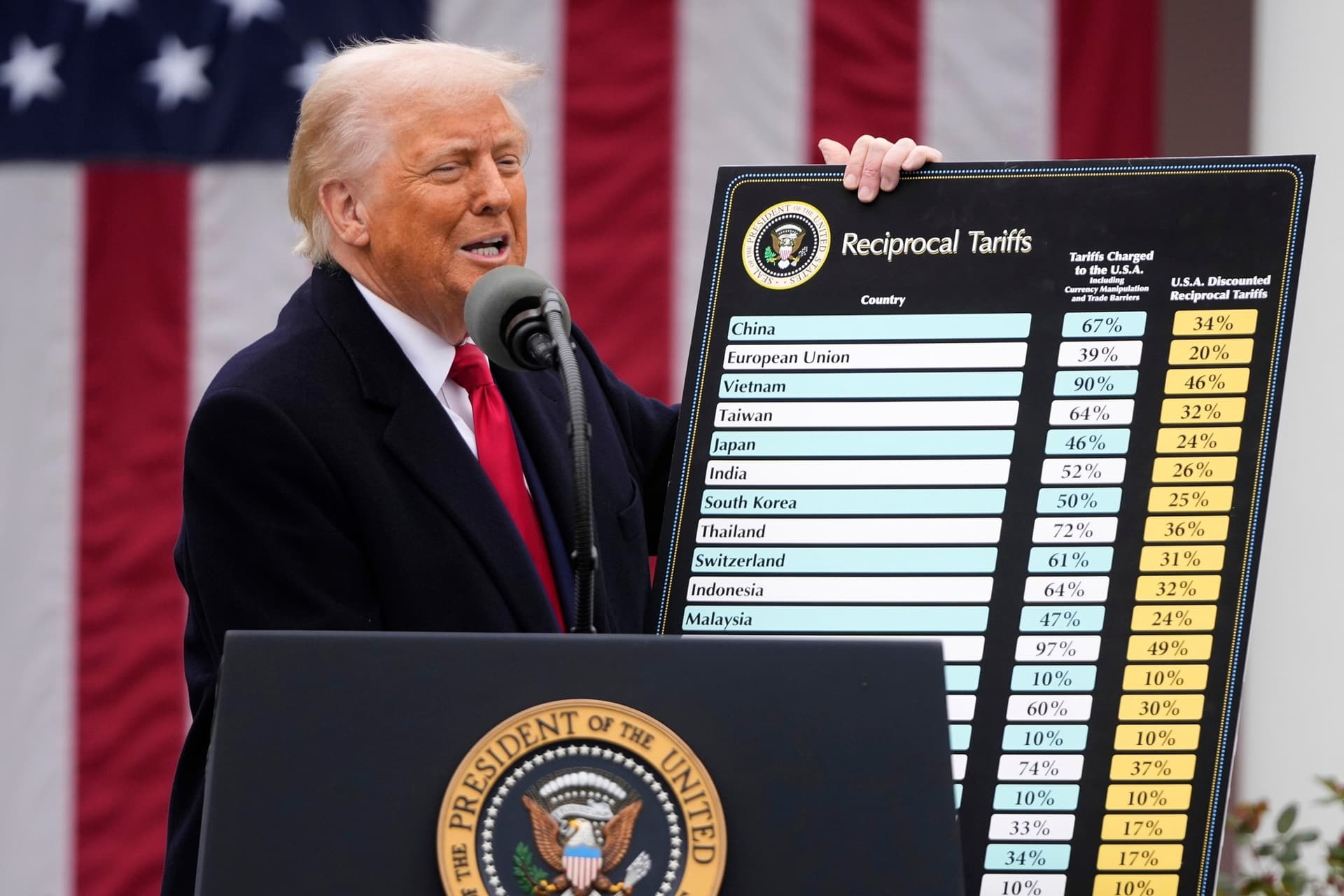
One year after President Donald Trump stood in the White House Rose Garden and announced the highest U.S. tariffs in nearly a century, the outcomes divide sharply between what the White House wanted to show and what the data actually revealed. More than 20 trading partners yielded to tariff pressure, in some cases after resisting for years, and agreed to open their markets to U.S. goods. Some foreign leaders promised investments in new factories that could eventually employ American workers. Those were the wins. The losses: factory employment fell across the broader manufacturing sector and inflation rose, with the St. Louis Federal Reserve estimating that tariffs alone accounted for roughly 0.5 percentage points of annualized headline inflation during the summer of 2025.
The early months told their own cautionary story. When Trump came into office, businesses rushed to bring goods into the country ahead of the tariffs, triggering a front-loaded surge in the trade deficit. That stockpiling wave pushed the January-through-November figure 4.1 percent above the same period the prior year, according to Census Bureau data. Only after the surge receded did the deficit begin its sustained 10-month decline, complicating the administration's claim of early success.
Cars: the uneven revival
The auto industry entered 2025 as one of the policy's most anxious observers. Trump's initial 25% tariff on imported automobiles threatened to upend a deeply globalized supply chain; nearly half of vehicles sold in the United States are manufactured outside its borders. The administration later carved out an exemption for vehicles built in compliance with the United States-Mexico-Canada Agreement, softening the blow for domestic manufacturers but creating winners and losers within the sector itself.
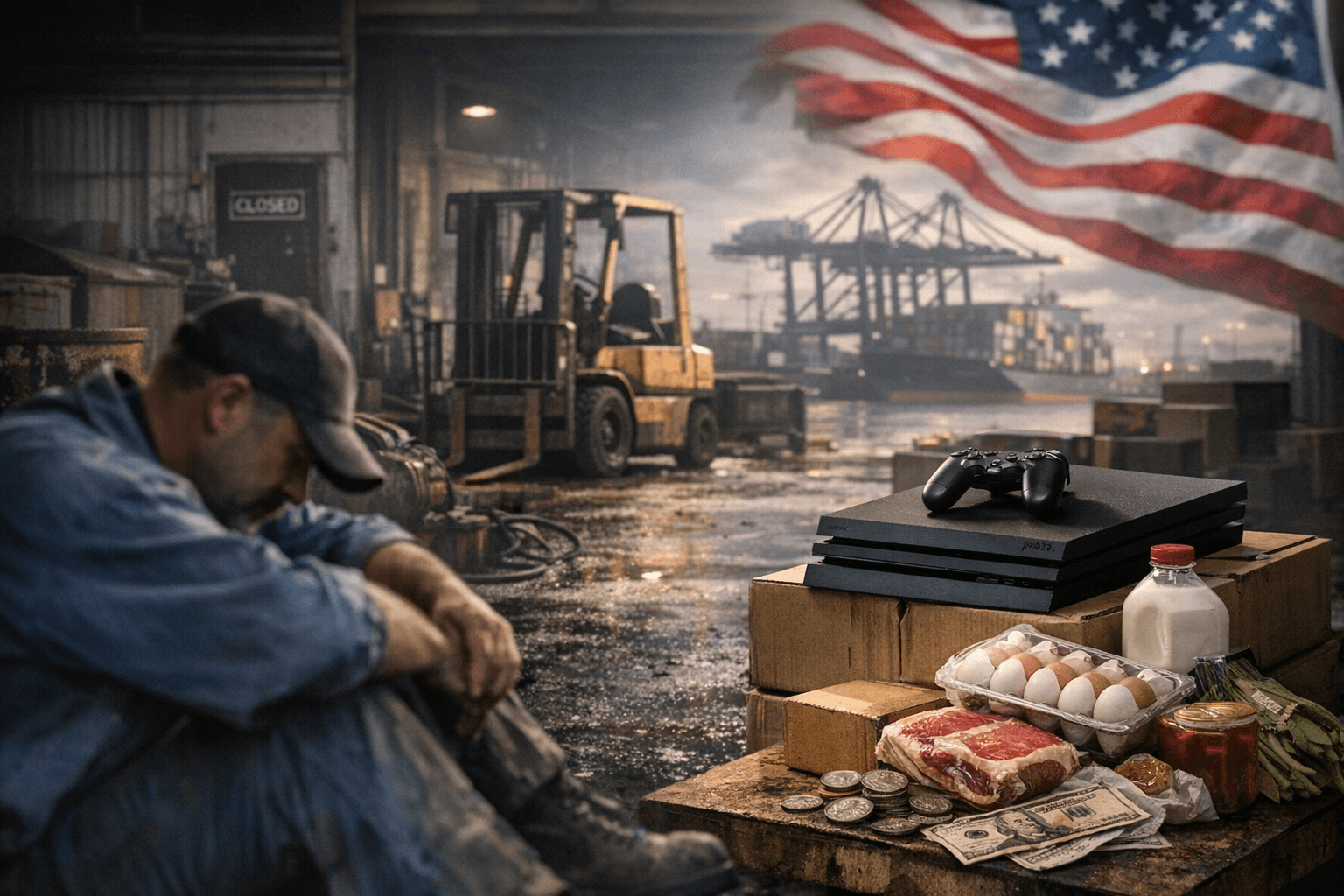
Ford initially projected a $2 billion tariff cost for the year before revising that estimate down to $1 billion after the USMCA carve-out took hold. The company announced plans to increase F-150 and F-Series Super Duty production by more than 50,000 trucks for 2026, one of the cleaner domestic manufacturing wins the administration could point to. Volkswagen fared considerably worse, posting a $1.3 billion third-quarter operating loss and projecting total tariff exposure of up to $5.8 billion for the year. J.P. Morgan estimated that U.S. light vehicle prices could ultimately rise by as much as 11.4% if automakers fully passed their tariff costs to consumers, a scenario that had not materialized at scale but remained a live threat heading into 2026.
Electronics: the $50 verdict
Sony left no ambiguity about its calculus. In August 2025, the company announced that PlayStation 5 consoles would cost at least $50 more in the United States, citing Trump's tariffs directly. The Consumer Technology Association projected that video game consoles could see price increases of up to 69% under the full scope of the administration's tariff proposals. Smartphones and laptops, two product categories that had previously faced zero tariffs before January 2025, became newly exposed to levies on Chinese manufacturing, where the vast majority of global consumer electronics production is concentrated.
Tech companies pushed back intensely but almost entirely out of public view, wary of drawing the kind of executive attention that had singled out other industries. That quiet lobbying produced partial exemptions and delays on consumer electronics categories, blunting but not eliminating the retail price impact.
The unfinished math
The Joint Economic Committee reported that the manufacturing sector lost 108,000 jobs during Trump's first year, with tariff-related uncertainty cited as a key driver alongside a separate analysis estimating the policies could cost the United States more than $490 billion in manufacturing investments through 2029. The Cato Institute's breakdown of manufacturing employment found that while primary metal production subsectors added jobs as intended, far larger downstream sectors that rely on those metals shed workers at a higher rate, undermining the policy's foundational promise.
The administration's strongest counterargument rests on the 10-month trade deficit decline and the diplomatic concessions wrested from more than 20 countries. Those concessions, while real, are difficult to quantify in jobs or wages. Foreign factory investment pledges remain non-binding, and building new manufacturing capacity typically requires several years before a single production worker is hired.
Census Bureau seasonally adjusted trade data through September 2025 and U.S. International Trade Commission import figures through October 2025 show shifting patterns by trading partner, with the full annual picture still crystallizing. What is already clear is that the policy reshaped U.S. engagement with the global economy in ways that will outlast any single administration. Whether the disruption was worth the cost depends entirely on which product you bought this year, and which job you held.
This article was produced by Prism’s automated news system from verified source data, official records, and press releases, then run through automated quality and moderation checks before publishing. The system is built and supervised by the people who set the standards it runs under. Read our full AI policy.
Did this article answer your question?

