Trump’s global tariff takes effect at 10% as White House signals 15% intent
President Trump signed a 10% global tariff that took effect at 12:01am Washington time, lifting the U.S. average effective tariff to roughly 13.7% and renewing trade uncertainty for partners.
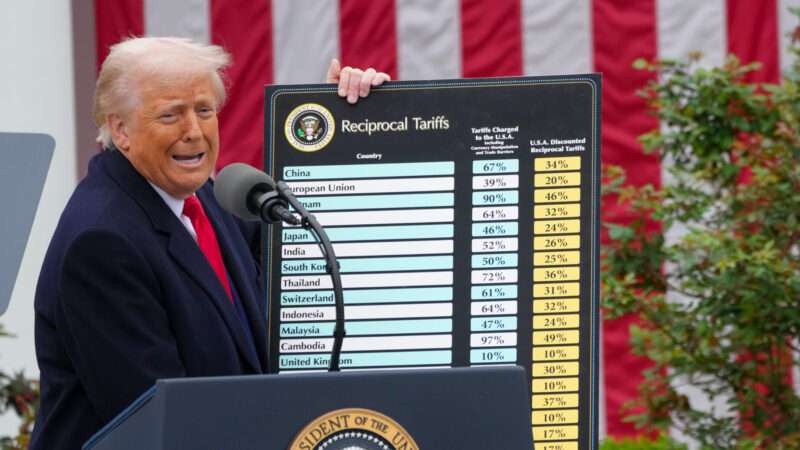
President Donald Trump signed an executive order authorizing a 10% global tariff that came into effect at 12:01am Washington time, lifting the United States' overall average effective tariff back to roughly 13.7% from 9.1% after the Supreme Court annulled earlier emergency levies. The move replaces the legal void left by the court decision and immediately reshapes costs for importers, supply chains and foreign exporters that had just begun to adjust to lower rates.
The 10% levy is lower than the 15% global tariff Mr. Trump announced publicly over the weekend and signaled he wanted to impose. White House officials are reported to be preparing a formal order to raise the rate to 15% under Section 122 of the Trade Expansion Act of 1974, but that higher rate had not been legally implemented when the 10% tariff took effect. Section 122 permits temporary tariffs for about 150 days before congressional approval is required, creating a limited window for the administration to act while legal challenges and diplomatic pressure mount.
The Supreme Court ruling that struck down the president's prior import taxes, imposed under emergency powers, forced the rapid policy pivot. Those struck-down measures had previously pushed the U.S. average effective tariff as high as 16%, then down to 9.1% after the ruling. Analysis by trade researchers indicates the new 10% levy will raise the effective average to about 13.7% as the administration settles on a durable legal basis for tariffs going forward.
Markets reacted to the sudden policy swing. Analysts blamed a fresh dose of policy unpredictability for a slide in stock prices, and Daniela Hathorn, senior market analyst at Capital.com, warned that "the key issue for markets is not just the tariff level itself, but the unpredictability surrounding what comes next." That volatility reflects a broader fear among importers and multinational firms that costs could move again if Washington formally settles on a 15% rate or faces litigation.
The administration’s legal route has itself become a point of contention. Section 122 is intended for narrow balance-of-payments emergencies, and several legal experts argue it is a shaky basis for broad global tariffs. That legal uncertainty increases the risk of court challenges and leaves trading partners uncertain about the durability of any deal they negotiated with the United States to avoid earlier reciprocal levies.
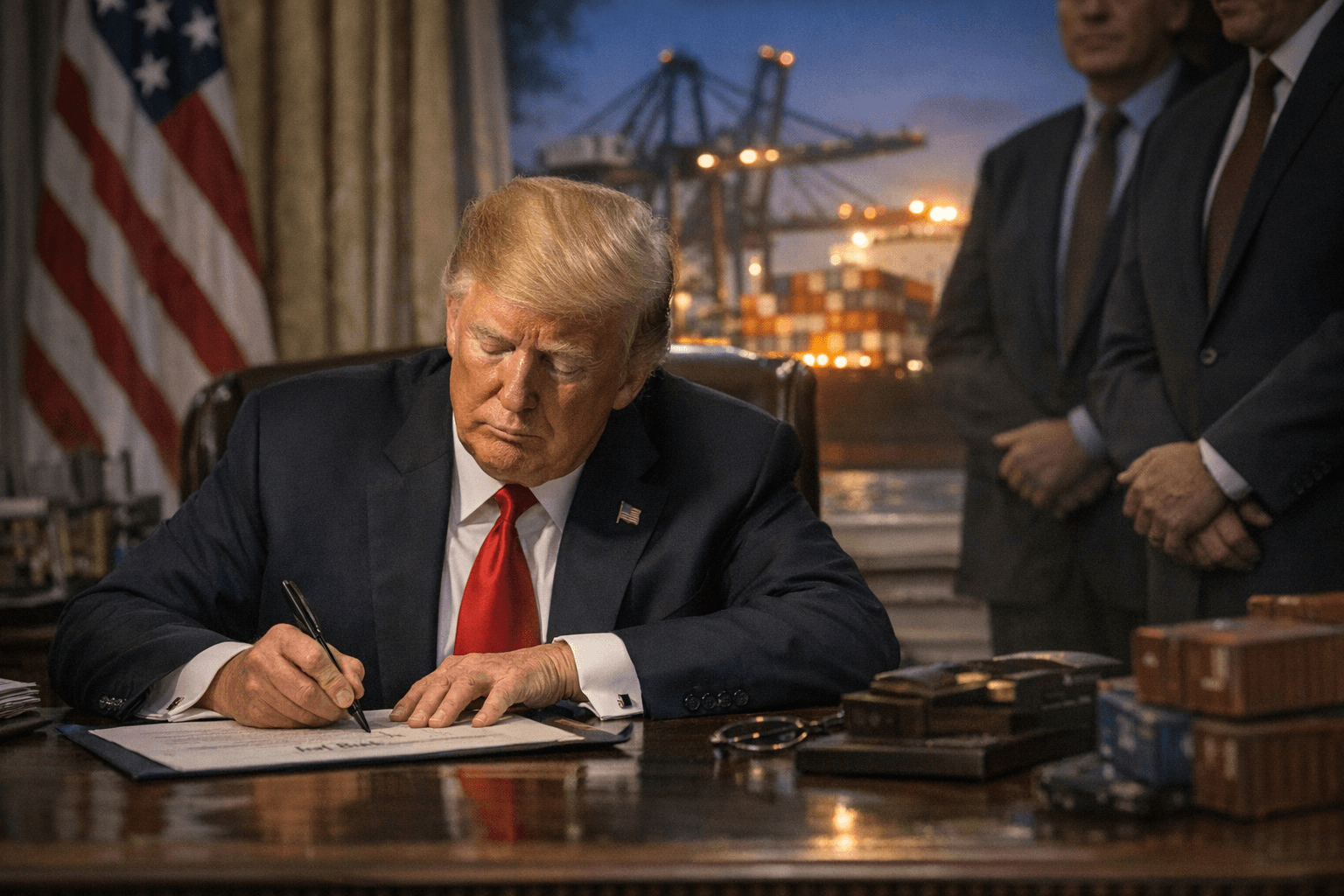
Foreign governments are already recalibrating. Nations that clinched bilateral deals to limit U.S. tariffs, including the United Kingdom, the European Union and several Asia-Pacific partners, face confusion about whether their concessions remain in force or are now subject to the global levy. Conversely, countries that had faced far higher emergency tariffs, such as Brazil and China, would in some cases see lower rates under a 15% baseline than they had paid under previous measures.
Some exemptions are expected if the administration adopts a higher rate: critical minerals, certain metals and pharmaceuticals have been flagged as possible carve-outs, and sector-specific tariffs introduced under separate statutes for steel, aluminium, lumber and automotive components remain in force.
With the White House reportedly crafting further orders and the president set to address the nation tonight, trading partners, businesses and courts will be watching for whether the 10% measure is a temporary bridge or the first step toward a legally contested 15% global tariff. The immediate consequence is clear: importers face a tangible cost increase and new layers of political and legal uncertainty in global trade.
This article was produced by Prism’s automated news system from verified source data, official records, and press releases, then run through automated quality and moderation checks before publishing. The system is built and supervised by the people who set the standards it runs under. Read our full AI policy.
Did this article answer your question?