Trump’s immigration crackdown makes policy personal for many Americans
One in four Americans said they or someone they know started carrying proof of citizenship as Trump’s immigration push pushed fear into daily routines.
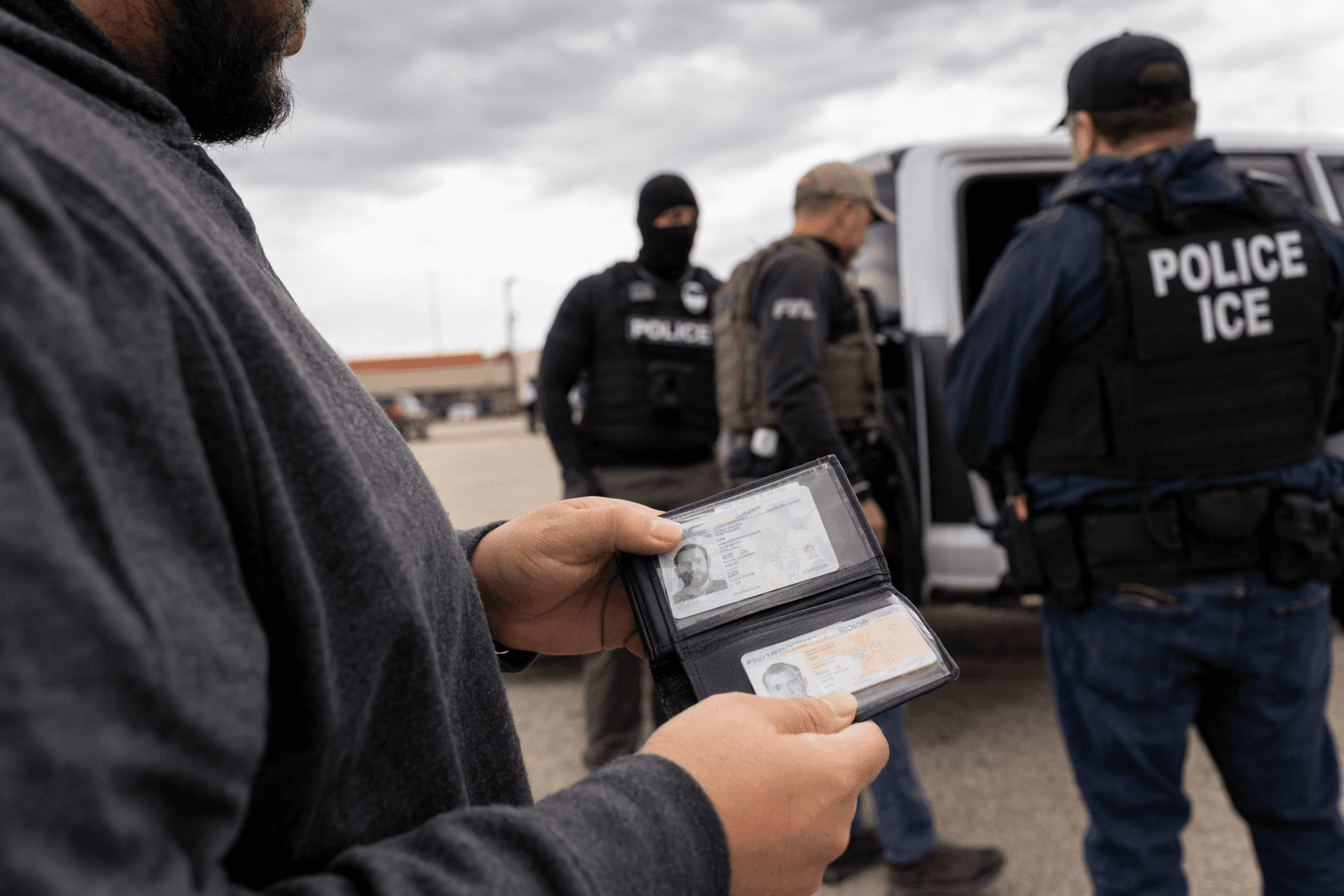
More than half of Americans said the United States no longer felt like a great place for immigrants, and one in four said they or someone they know had started carrying proof of citizenship or immigration status. The AP-NORC poll, conducted April 16-20 with 2,596 adults, suggested that President Donald Trump’s immigration crackdown had moved well beyond border politics and into the habits of ordinary life.
The numbers pointed to a country where enforcement had become personal. Twenty-five percent said they or someone they know had begun carrying documentation in the past year, and 20% said they or someone they know had changed travel plans or significantly altered daily routines because of immigration status. Among Hispanic adults, the share reporting direct effects was higher still, with many saying family members or acquaintances had started carrying proof, avoided work or school, stayed home more, or changed where and how they moved through daily life.

Reid Gibson, a Missouri retiree, described the worry in personal terms. He said his stepdaughter had started carrying her passport because she feared being targeted because of her darker skin. Gibson called the situation “plain wrong” and said, “This is not a good country for immigrants anymore.” His experience captured the central tension in the poll: immigration enforcement was no longer just a matter of arrests, deportations or court fights, but a force shaping how people dressed, traveled and protected themselves in public.
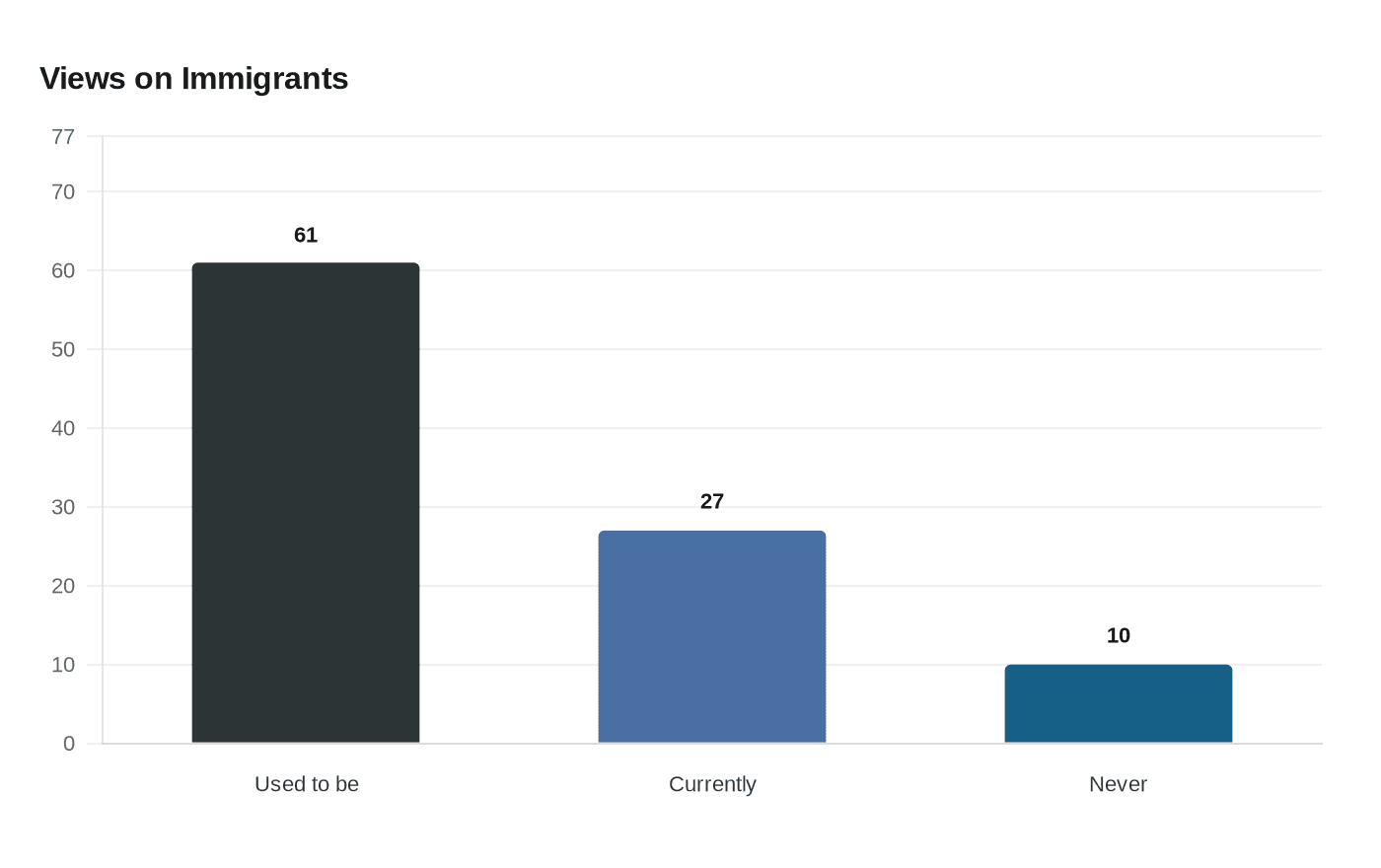
The polling also showed a broad shift in how Americans judged the country itself. Sixty-one percent said the U.S. used to be a great place for immigrants but is not anymore, while 27% said it is currently a great place for immigrants and 10% said it was never a great place. On birthright citizenship, 65% supported granting citizenship to all children born in the United States. Support rose to 75% for children born to parents legally in the country on work visas and 58% for children born to parents legally in the country on tourist visas. The public was evenly split on children born to parents in the country illegally.
The politics were just as stark. In a separate AP summary of the same polling period, about 6 in 10 adults said Trump had gone too far in sending federal immigration agents into American cities, while about 4 in 10 approved of his handling of immigration. Roughly 3 in 10 trusted Republicans more on the issue, and a similar share trusted Democrats more, a sign that the GOP’s traditional edge on immigration had narrowed as the Supreme Court considered whether the administration could restrict birthright citizenship.
This article was produced by Prism’s automated news system from verified source data, official records, and press releases, then run through automated quality and moderation checks before publishing. The system is built and supervised by the people who set the standards it runs under. Read our full AI policy.
Did this article answer your question?

