Trump’s Iran campaign sends oil prices up 16%, tests central banks
Global oil prices jump 16%, raising inflation and recession risks as Trump says the campaign will be brief and rules out tapping emergency reserves.
Global oil prices have jumped 16% since the war started on Saturday, a surge that is already translating into higher pump prices and a widening global economic threat. Consumers feel it at the gas station, European industry faces higher input costs, and central banks confront a fresh inflation shock even as growth softens.
President Donald Trump has framed the operation as short and decisive, outlining a four-to-five-week timeline for the military campaign against Iran and insisting he is unconcerned about higher fuel costs. "I don't have any concern about it," he said when asked about rising prices at the pump, adding, "They'll drop very rapidly when this is over, and if they rise, they rise, but this is far more important than having gasoline prices go up a little bit." He also told aides he was not looking to tap the Strategic Petroleum Reserve, the largest emergency crude stockpile in the world, and expressed confidence that the Strait of Hormuz "will remain open because Iran's navy is at the 'bottom of the sea.'"
U.S. and international officials are moving faster than the president to plan for economic fallout. Political and military experts have questioned the four-to-five-week timeline, noting the government has not articulated a clear end goal and that the conflict continues to spread to the region and beyond. The widening geographic scope is the main mechanism by which a tactical military campaign could morph into a sustained energy shock: damage to production, disruption of shipping through the Strait of Hormuz, and sanctions-driven shifts in trade patterns would tighten global supply for months.
A macroeconomic analysis by Bloomberg Economics frames the stakes starkly: "Sustained high oil prices would boost inflation and slow growth, putting central banks in a tough spot." That analysis adds region-specific warnings: for Europe, prolonged higher energy prices could push the economy to the brink of recession; for the United States, the Federal Reserve could be trapped between higher inflation from the war and political pressure to lower interest rates; for China, the end of discounted Iranian oil imports compounds existing strains from tariffs and a real estate downturn.
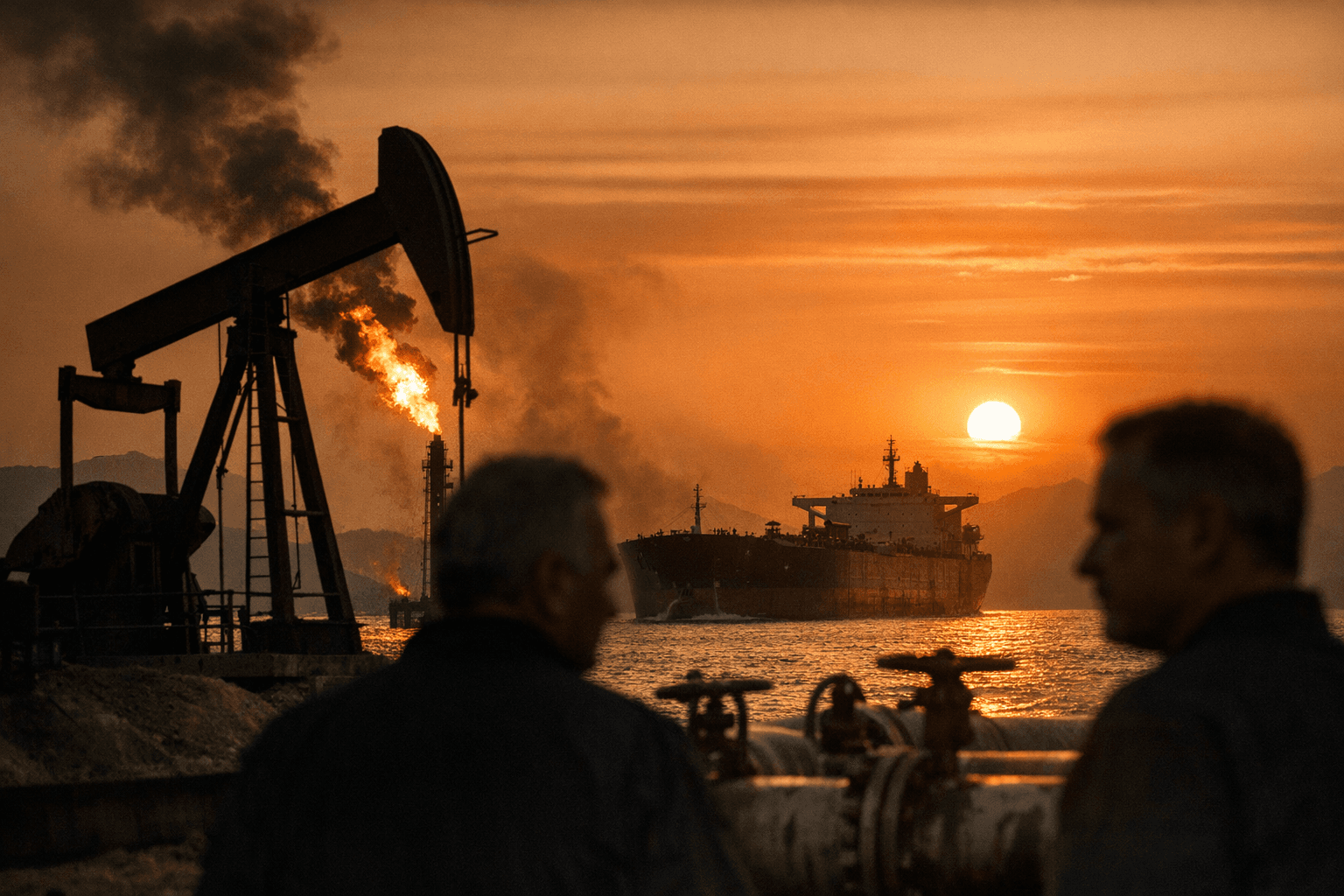
Market implications are immediate. A 16% move in global oil benchmarks over a few days injects new upside into headline inflation measures, raising the odds that central banks will face a choice between tolerating higher inflation or tightening policy at the risk of choking growth. Exchange rates and commodity-sensitive emerging markets will be most exposed. Energy exporters that can ramp up production, including Qatar and Gulf producers with large liquefied natural gas and condensate capacity, have leverage; importers in Europe and Asia are most vulnerable.
Domestically, the White House belief that the price shock will be short-lived reduces the political appetite for extraordinary interventions, but the strategic choice not to tap reserves narrows official options if prices remain elevated. The coming days will test whether the market move is transitory or the start of a sustained inflationary wave, and whether central banks and governments are willing to deploy reserves, fiscal relief, or coordinated supply measures to blunt the pain. The answer will determine whether a limited military campaign becomes a worldwide economic hazard.
This article was produced by Prism’s automated news system from verified source data, official records, and press releases, then run through automated quality and moderation checks before publishing. The system is built and supervised by the people who set the standards it runs under. Read our full AI policy.
Did this article answer your question?

