Trump's Iran Deadline Looms, But Resolution Remains Elusive
Trump predicted the Iran war would wrap up in two to three weeks, but with Tehran denying direct talks and the Strait of Hormuz still closed, resolution remains uncertain.

The war with Iran is now in its second month, and President Trump has set himself a clock he may struggle to beat.
In a roughly 19-minute prime-time address from the White House on April 1, Trump declared the U.S. military had achieved "overwhelming victories" and that the conflict was "nearing its completion." But his own timeline revealed the contradiction at the heart of his position: he simultaneously promised the U.S. would strike Iran "extremely hard" for the next two to three weeks, threatening to obliterate its electric generating plants and oil infrastructure if Tehran refused his terms. "We're going to bring them back to the stone ages, where they belong," Trump said.
Those two to three weeks now serve as an informal deadline against which any diplomatic resolution must compete. Monday, April 6, carries its own hard deadline, the third such date Trump has set for Iran to reopen the Strait of Hormuz or face resumed strikes on its energy sector. He extended the previous cutoff at the request of the Iranian government, granting 10 days instead of the seven Tehran sought, citing a gesture of goodwill: Iran allowed a convoy of oil tankers through the Strait, which Trump initially described as "eight big boats" before revising the count to ten.
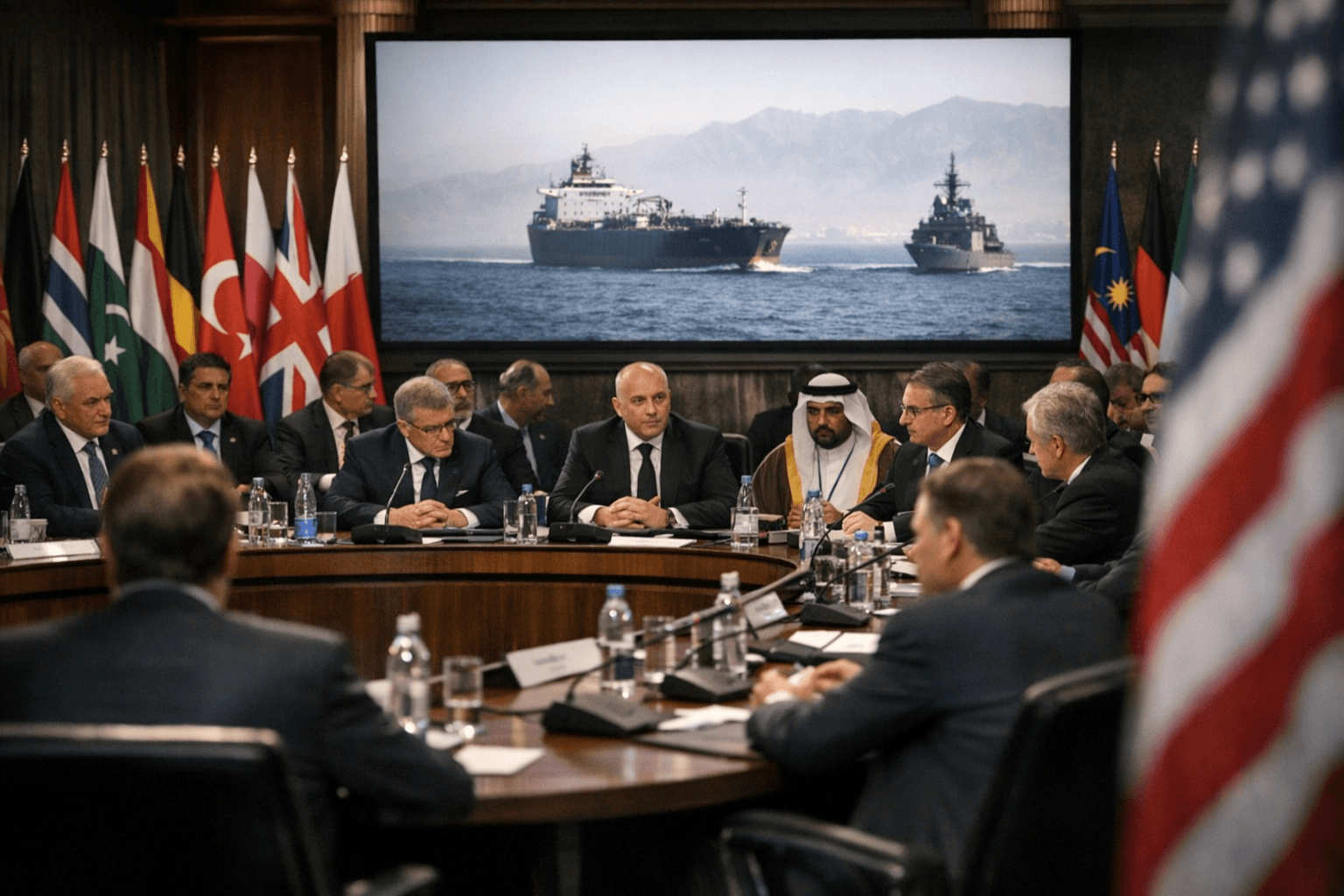
The diplomatic picture is murkier than Trump's public confidence suggests. White House special envoy Steve Witkoff, along with Trump's son-in-law Jared Kushner, has been the engine of peace efforts, presenting Iran with a 15-point framework for ending the war through Pakistan as an intermediary. At a March 26 Cabinet meeting, Witkoff acknowledged the challenge plainly: "If we can convince Iran that this is the inflection point with no good alternatives for them, other than more death and destruction, we have strong signs that this is a possibility." That conditional framing is far from a breakthrough.
Iran has publicly denied any direct engagement with Washington. Mohammad Bagher Qalibaf, speaker of the Iranian parliament, rejected contact with the Trump administration as recently as March 23. Tehran's stated terms for any agreement include a ceasefire, binding guarantees against future military action, and compensation, demands that American officials have not publicly accepted. Iran's initial response to Witkoff's 15-point proposal was that the framework was unacceptable.
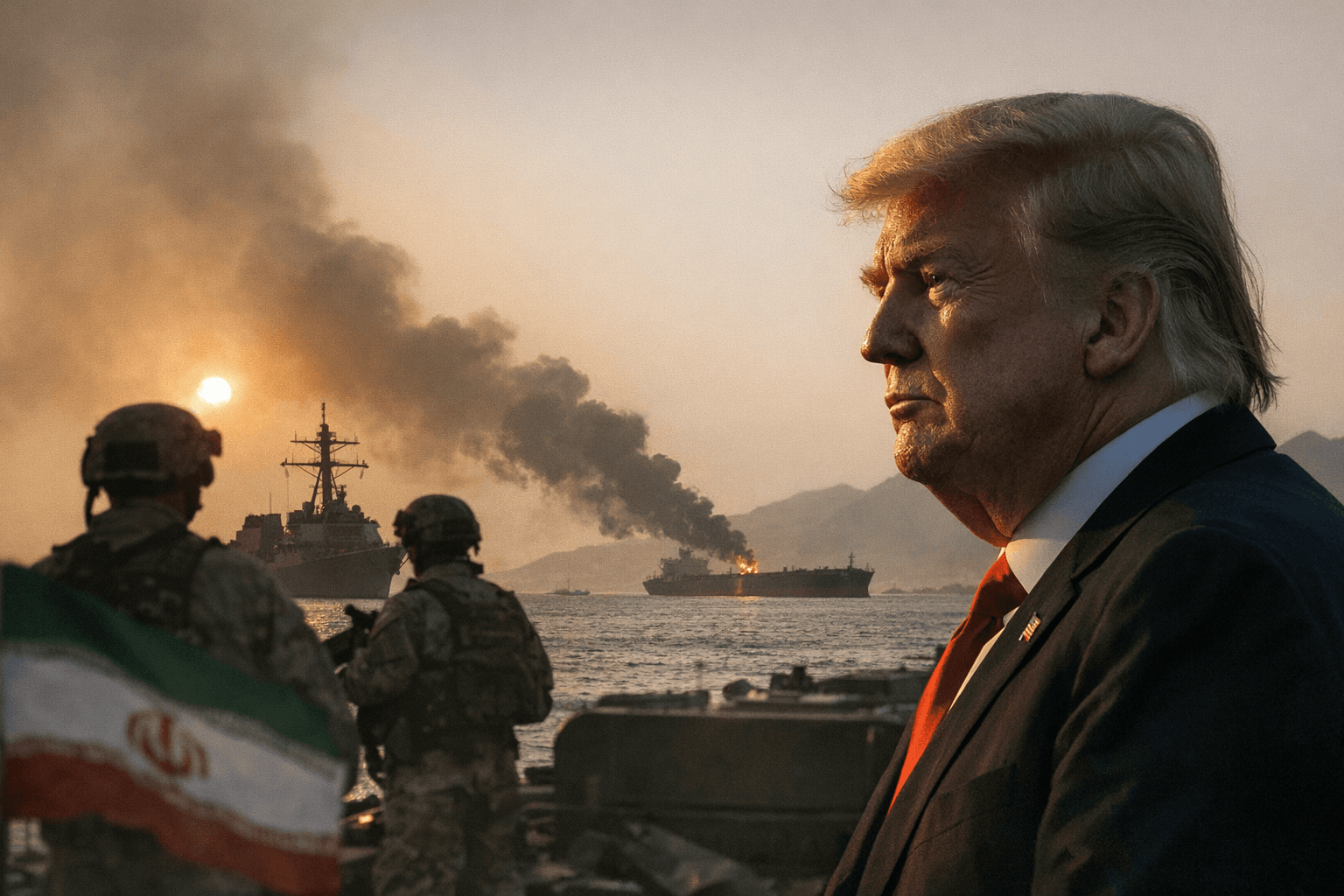
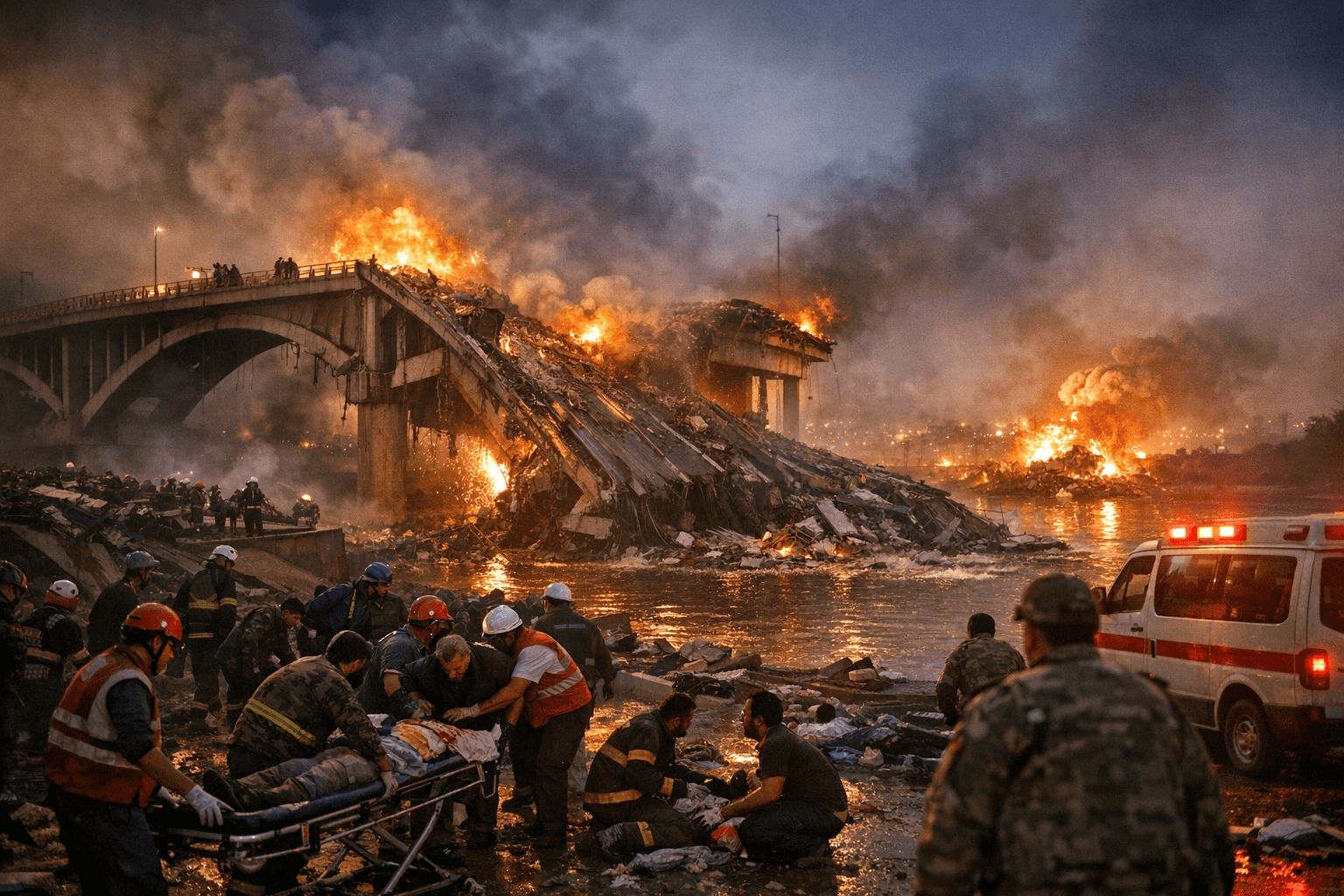
Trump, speaking to reporters on March 24 and in a subsequent phone interview with TIME, framed Iran's posture as a negotiating performance rather than a genuine refusal. "They say Trump is not negotiating with Iran. I mean, it's sort of an easy negotiation," he said, pointing to the military's strikes on Iranian bridges and infrastructure as leverage. On March 27, he added: "Of course they're negotiating. They've been obliterated. Who wouldn't negotiate? They are begging to make a deal."
But the Strait of Hormuz, the critical chokepoint through which roughly 20 percent of global oil passes, remains effectively closed to general shipping. Markets have responded accordingly, with Brent crude hovering around $107 a barrel. The war entered its second month with Pakistan, Turkey, and Egypt relaying messages between Washington and Tehran, none of those intermediary channels having yet produced a framework both sides can accept.
Trump told reporters he views a deal as distinct from victory, saying that "whether we have a deal or not, it's irrelevant." That framing may give him rhetorical flexibility when April 6 arrives. What it does not provide is a path to reopening the waterway, halting the economic damage, or resolving the nuclear question that preceded the February 28 strikes in the first place.
Sources:
Know something we missed? Have a correction or additional information?
Submit a Tip