Trump’s Iran nuclear deal withdrawal leaves tougher path to new pact
Trump’s exit from the nuclear accord stripped away leverage, while Iran’s stockpile and reduced inspections made a tougher bargain far less realistic.
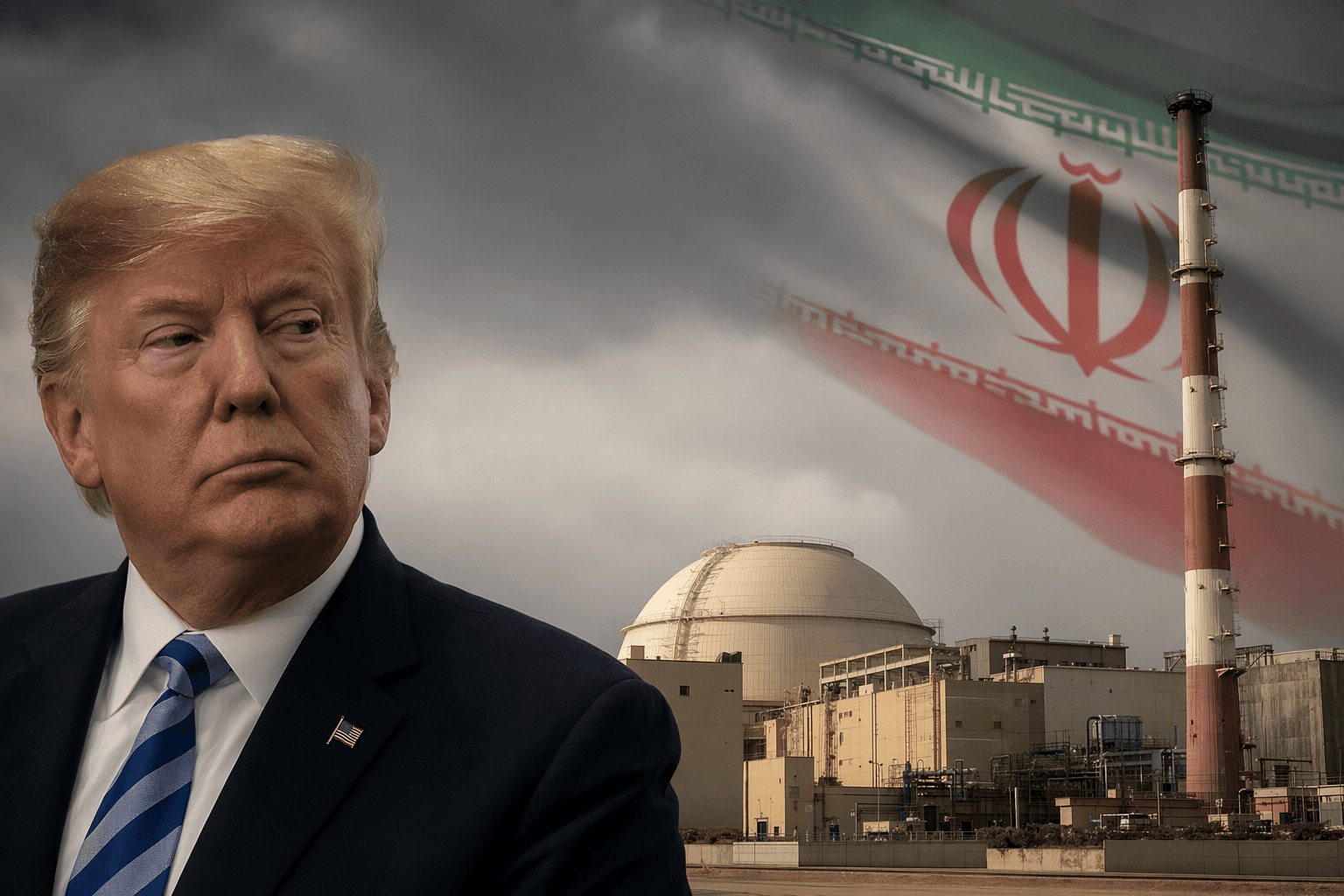
Donald Trump’s decision to abandon the 2015 Iran nuclear deal did not force Tehran back to the table on Washington’s terms. It left the United States trying to negotiate a stricter agreement after surrendering the inspection powers, multilateral backing and sanctions relief structure that gave the original pact its force.
The Joint Comprehensive Plan of Action was signed on July 14, 2015, by Iran, China, France, Germany, Russia, the United Kingdom, the United States and the European Union’s foreign policy chief. Six days later, the United Nations Security Council adopted resolution 2231, asking the International Atomic Energy Agency to verify and monitor Iran’s nuclear commitments. That architecture mattered: it tied diplomacy, sanctions relief and international oversight together in a way that gave the deal credibility across capitals.
The United States withdrew on May 8, 2018, and said sanctions would be reimposed. Iran and the other signatories tried to keep the agreement alive, but the damage was immediate. The IAEA said it verified and monitored Iran’s implementation from January 16, 2016, until May 8, 2019. After that, Iran began reducing its commitments step by step and stopped implementing them altogether, including the Additional Protocol, on February 23, 2021.
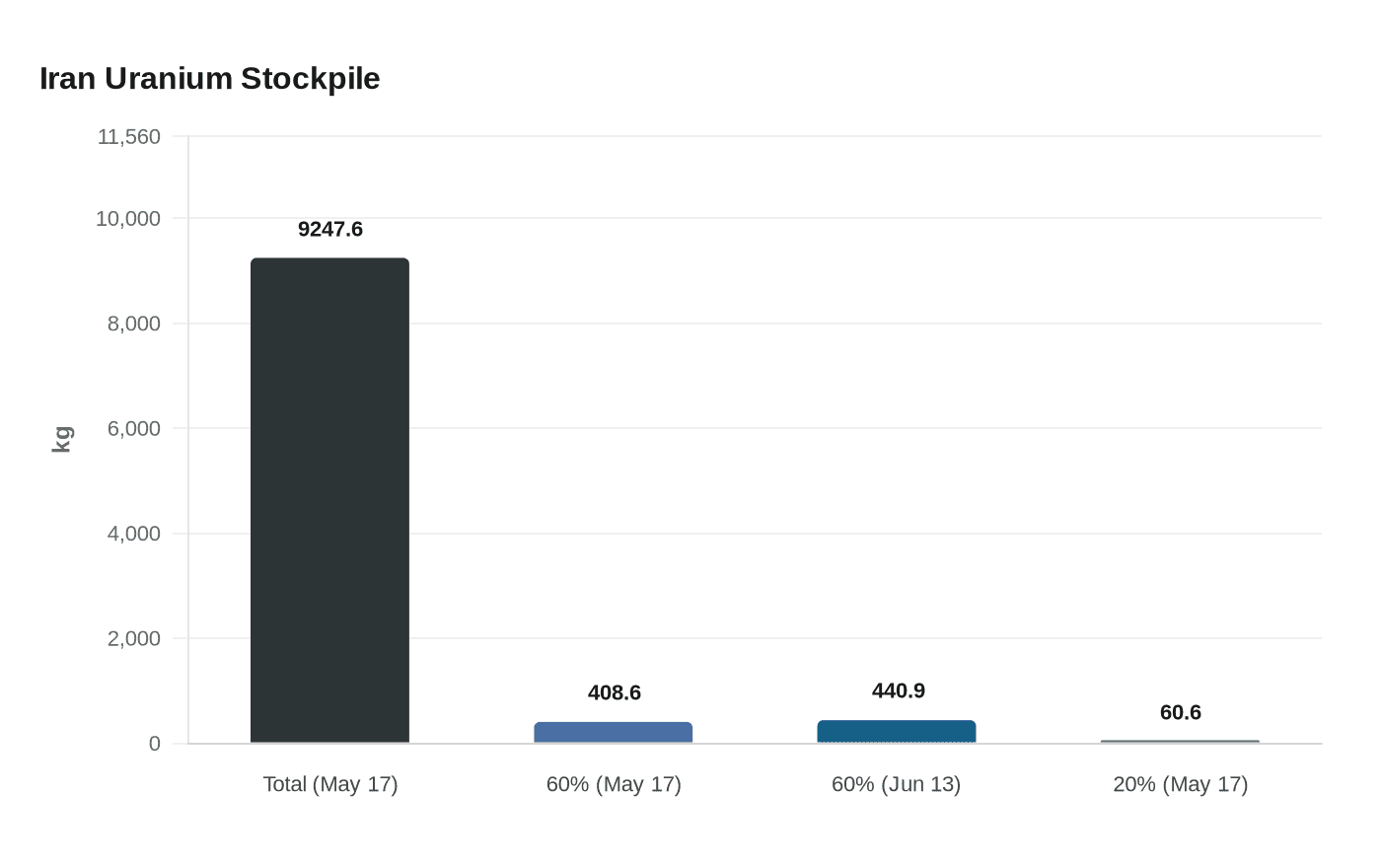
That is the credibility gap now facing any effort to secure a better deal. The old accord constrained Iran’s program and had broad diplomatic support. Today, Washington is trying to rebuild leverage after the agreement collapsed and while Iran’s program has moved well beyond the JCPOA limits. As of May 17, 2025, the IAEA estimated Iran’s total enriched-uranium stockpile at 9,247.6 kilograms, including 408.6 kilograms enriched up to 60% U-235. By June 13, 2025, that 60% stock had risen to 440.9 kilograms. The agency also said Iran held 60.6 kilograms of uranium enriched up to 20% U-235 in forms other than uranium hexafluoride.
The monitoring burden has not disappeared. In 2025, the IAEA estimated annual JCPOA-related verification costs at €10.4 million, with €4.6 million coming from extra-budgetary contributions. On June 12, 2025, the IAEA Board of Governors adopted a resolution urging Iran to cooperate. A day earlier, the agency said it could not assure that Iran’s nuclear program was exclusively peaceful unless Tehran fully addressed outstanding safeguards issues.
For Washington, the lesson is stark. The original deal was built on unified pressure, binding oversight and a live international framework. After the U.S. withdrew, that framework weakened, Iran advanced its program and the United States lost much of the leverage it would need to demand something better than the pact it walked away from.
This article was produced by Prism’s automated news system from verified source data, official records, and press releases, then run through automated quality and moderation checks before publishing. The system is built and supervised by the people who set the standards it runs under. Read our full AI policy.
Did this article answer your question?