Trump’s Iran threats spark backlash, even from former allies and the pope
Trump's threat to erase Iran's "whole civilization" and his clash with Pope Leo XIV pushed mental-fitness questions into the center of a war crisis.
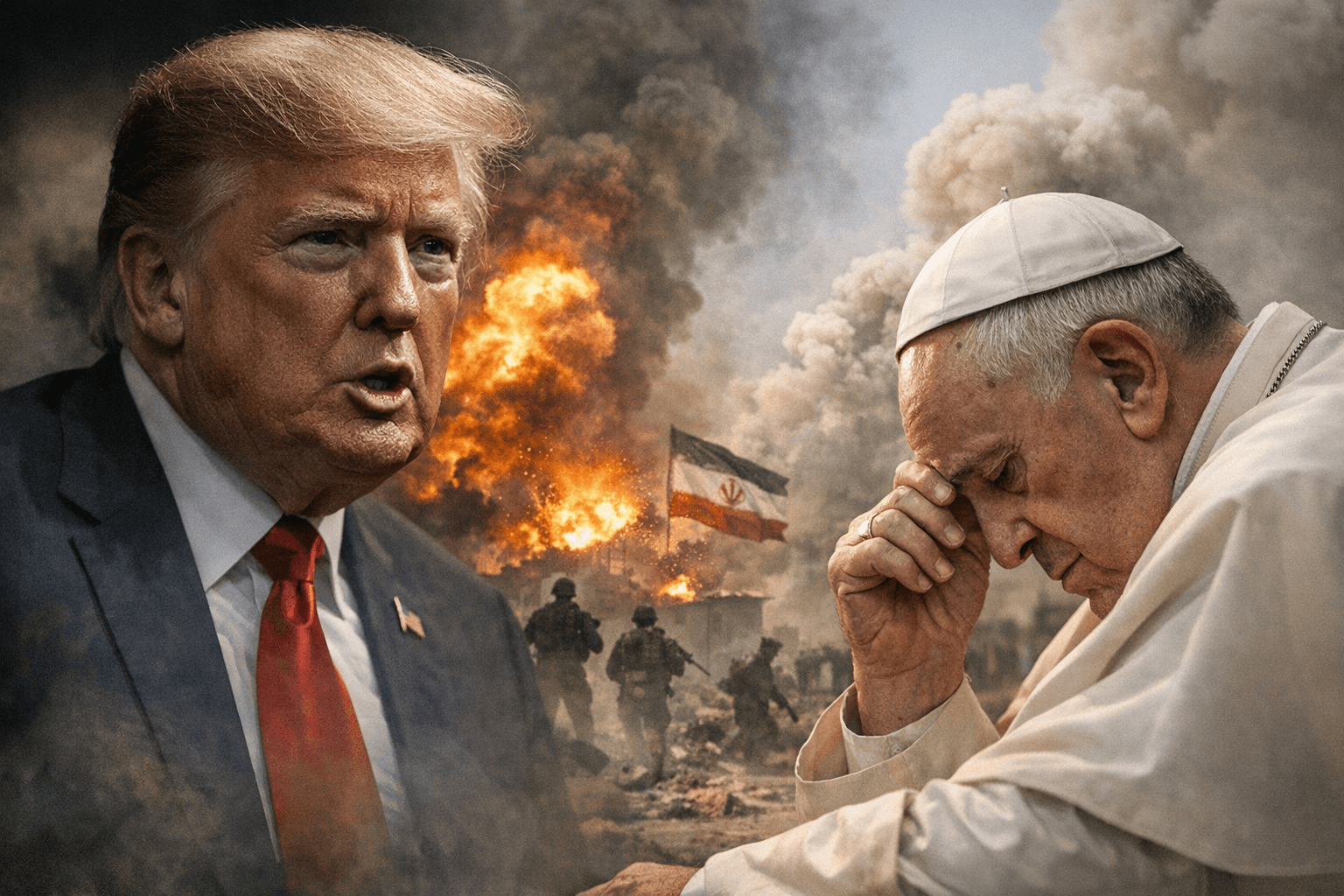
Donald Trump’s escalating threats over Iran drew an unusual backlash across politics and faith, after he warned on Truth Social that “a whole civilization will die tonight, never to be brought back again” if Iran did not reopen the Strait of Hormuz by an 8 p.m. deadline. The language, issued amid the U.S.-Israeli war with Iran, jolted Washington and Vatican City alike because it tied presidential rhetoric to immediate questions of civilian harm, military escalation and crisis decision-making.
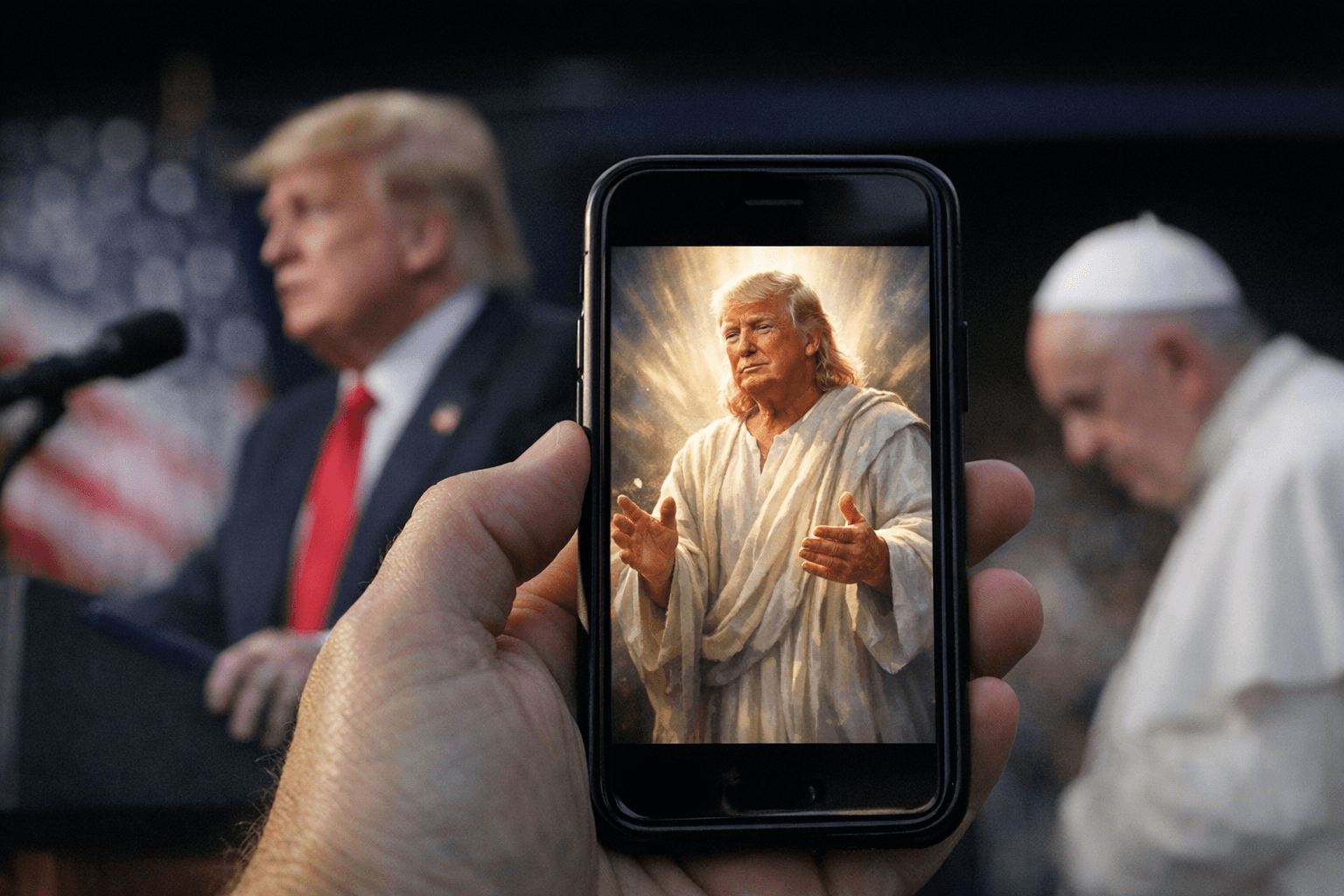
Pope Leo XIV, the first U.S.-born pope, condemned Trump’s threat against Iranian civilian infrastructure as “truly unacceptable” and urged leaders to pursue peace. The pope said attacks on civilian infrastructure violate international law, turning the dispute into a public Vatican-Washington rift over the war. Trump responded on social media by calling the pope “WEAK on Crime” and “terrible for Foreign Policy,” while accusing him of catering to the “Radical Left.”
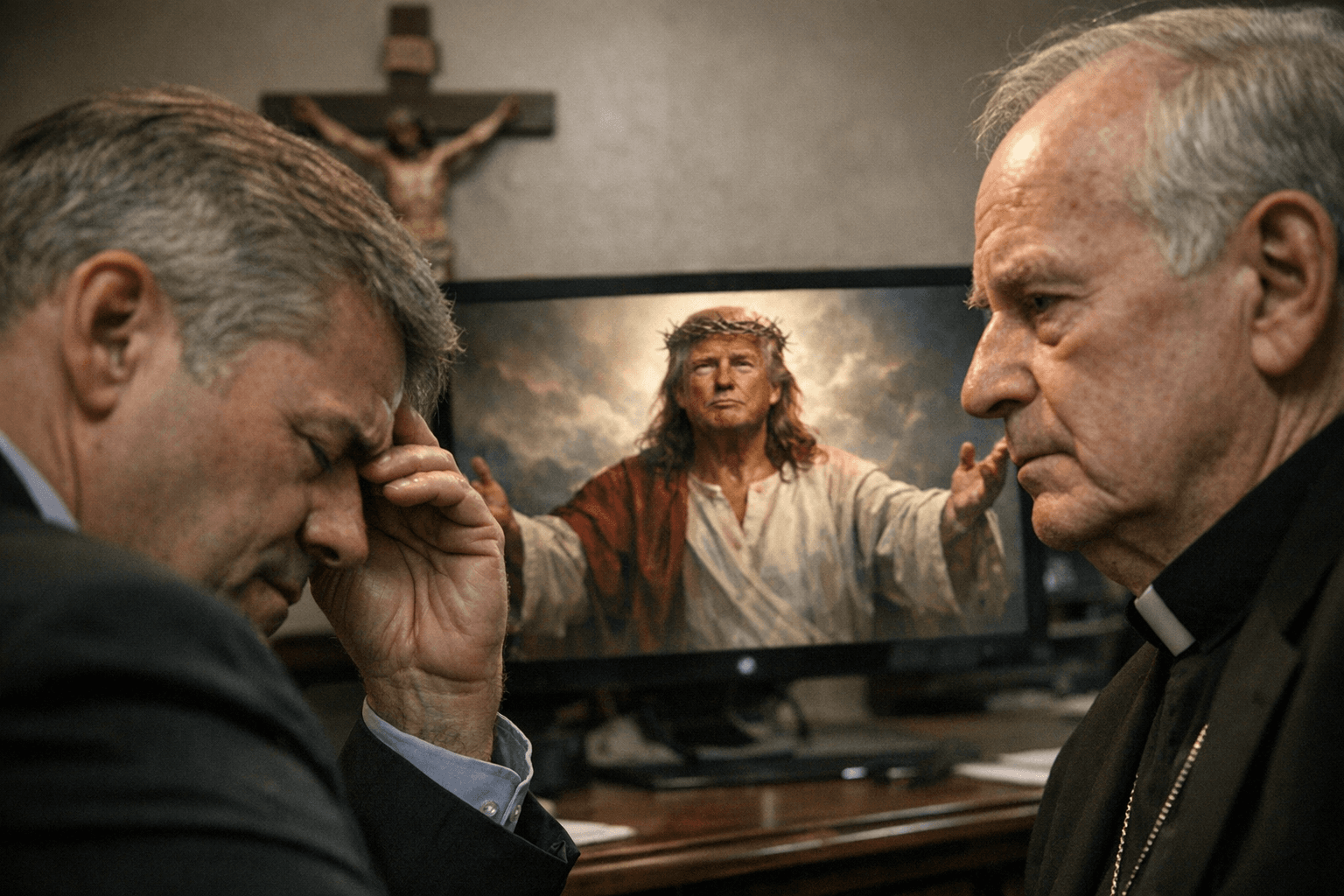
The fight sharpened concern over the thresholds institutions use when a president’s behavior appears volatile during a fast-moving conflict. Rep. Jamie Raskin asked the White House physician to conduct a cognitive assessment and make the findings public, a move that reflected growing Democratic concern about Trump’s mental capacity. Other lawmakers also pushed for a briefing on his ability to handle foreign-policy decisions that could affect U.S. troops, diplomacy and civilians far beyond the battlefield.
The White House has answered those concerns by praising Trump’s “sharpness” and “unmatched energy,” but the political damage has widened. Reports say Trump has attacked former MAGA allies, including Tucker Carlson, Candace Owens, Alex Jones and Marjorie Taylor Greene, after they criticized the war with Iran. Greene, once one of Trump’s most reliable defenders, has escalated her feud with him as the dispute has deepened.
The episode has revived an older but increasingly urgent debate in American politics: how to assess erratic presidential behavior without turning mental fitness into a partisan weapon. Historical precedent shows that presidents are often shielded by aides and institutions until a crisis forces intervention, yet the stakes here are immediate. A president’s threat to “wipe out” a nation, and his public break with the pope, has made the question less about temperament than about governance, restraint and the systems meant to prevent one leader’s impulses from becoming national policy.
Know something we missed? Have a correction or additional information?
Submit a Tip