Trump’s Iran war faces a longer, harder fight after early gains
Trump can claim early battlefield gains, but Iran still holds the key levers, from Hormuz to uranium, and the war may be drifting toward stalemate.
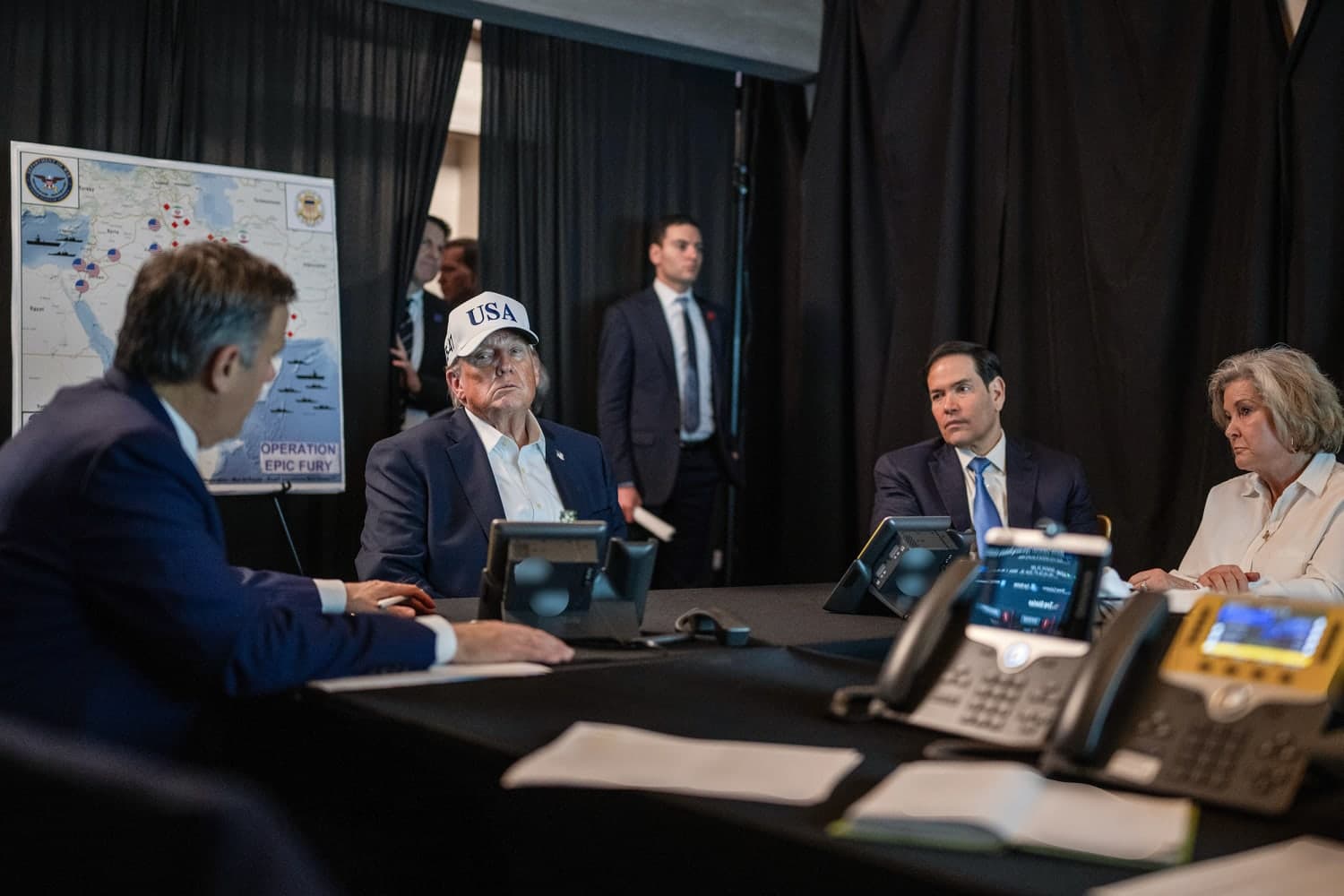
Early victories do not settle the war
Trump has won enough of the opening round to claim momentum, but that is not the same as winning the conflict. The sharper question now is whether U.S. strikes and pressure have changed Iran’s behavior, or merely pushed the fight into a longer phase where Tehran still controls the most important leverage points.
The central problem is that the battlefield and the strategy do not yet match. White House spokeswoman Olivia Wales says the administration has “met or surpassed all of our military objectives” in Operation Epic Fury, and there is evidence Trump’s campaign has forced Iran into a more defensive posture. But the larger test is whether those tactical gains are durable enough to produce a political settlement, or whether they amount to a costly stalemate with higher risk of renewed escalation.
Hormuz remains the main pressure point
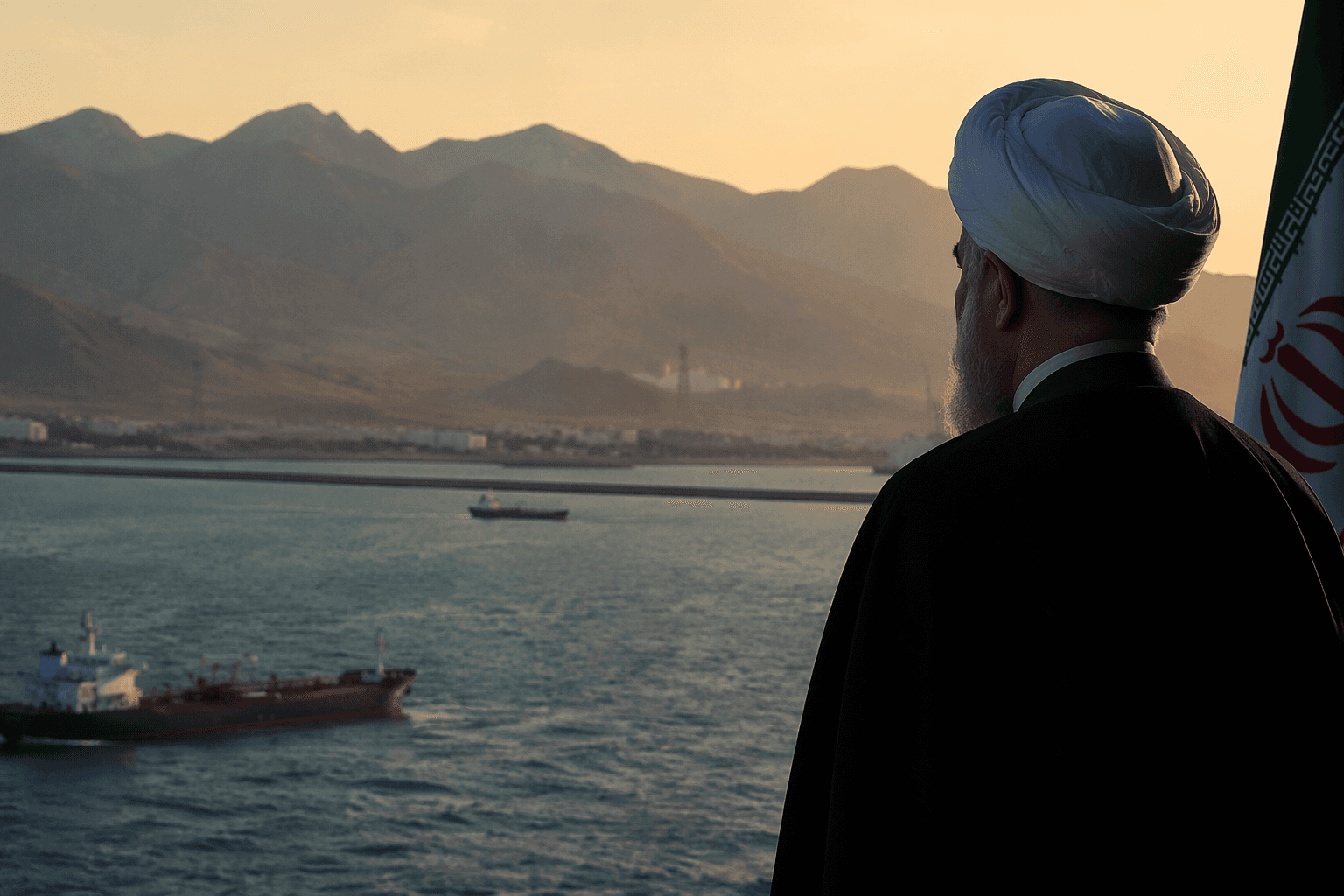
No issue matters more than the Strait of Hormuz. That narrow waterway is still the clearest measure of whether Trump’s campaign can translate force into leverage, because it sits at the center of global energy security and regional shipping. Iranian efforts to create a tolling system there have become a flashpoint, and Marco Rubio called that idea “not acceptable,” underscoring that Washington views freedom of navigation as a core red line.
The economic stakes are immediate. Reuters and market reports have shown oil prices rising whenever talks appear close to failure and supply risks through Hormuz look more likely. The House of Commons Library says the conflict and the closure of the strait have disrupted regional energy production and exports from major Gulf producers, while Reuters has reported that OPEC+ exports from Saudi Arabia, Iraq, Kuwait and the United Arab Emirates were throttled by the closure. That means the war is not only being judged in Washington and Tehran, but in fuel prices, tanker insurance, and pressure across global supply chains.
Tehran is still holding onto its most valuable cards
Iran’s negotiating position has not broken. Reuters reported that Iranian sources said Supreme Leader Ayatollah Mojtaba Khamenei ordered that Iran’s near-weapons-grade uranium stay inside the country, a hardening of Tehran’s stance on one of Washington’s central demands. Trump, for his part, has said the United States will eventually recover Iran’s stockpile of highly enriched uranium, but that ambition only highlights how far apart the two sides remain.
The unresolved issues are familiar, but they are not narrowing quickly. The main sticking points now include the fate of Iran’s enriched uranium stockpile, the right to enrich uranium, sanctions relief, and freedom of navigation through Hormuz. Those are not side issues. They are the core architecture of any deal, and as long as they remain unresolved, Iran retains room to stall, bargain, or wait for conditions to improve.
The war is already shaping politics in Washington
The domestic front is starting to matter as much as the military one. Trump is under pressure from high U.S. gasoline prices, low approval ratings, and the political fallout from an unpopular war heading toward November’s midterm elections. That creates a hard contradiction for any president: a campaign meant to project strength can quickly become a liability if voters feel the cost at the pump and see no clear end state.
Congress is also pushing back. On May 19, the Senate advanced a war-powers resolution to end the war unless Trump obtains congressional authorization, in a 50-47 procedural vote that included four Republicans joining Democrats. The House had narrowly rejected a similar move the week before, and Republican leaders later canceled another House vote on the issue. Trump had already told lawmakers in a May 1 letter that hostilities were “terminated,” a claim used to argue that no formal war authorization was needed. That legal fight matters because it goes to whether this campaign is being governed as a short operation or an open-ended war.
Diplomacy is moving, but military pressure has not gone away
Even as talks continue, the military shadow remains large. CBS News reported on May 23 that U.S. officials were preparing for a fresh round of strikes, though no final decision had been made. Rubio said negotiations had seen “a little bit of movement,” but he also insisted the United States and its partners need a “Plan B” if Iran refuses to reopen the strait. That combination of diplomacy and threat shows how little confidence exists that talks alone will solve the problem.
The ceasefire architecture is fragile. The House of Commons Library says the war began with U.S. and Israeli strikes on February 28, 2026, that killed Ali Khamenei, after which Iran countered with strikes on Israel, U.S. bases in the region, and military and civilian targets in Arab states. Trump then set deal deadlines for March 21, March 23 and April 7. Pakistan arranged a conditional two-week ceasefire on April 8, and that truce was later extended. Pakistan and Qatar have both been involved in mediation, but mediation only matters if it can stop the cycle of deadlines, strikes, and retaliation.
The diplomatic picture remains unsettled enough that a U.N. conference on nuclear nonproliferation ended without agreement on May 23. That is a warning sign, not a footnote. If diplomacy cannot produce a framework while both sides still have room to escalate, the conflict is likely to revert to force, with retaliation spreading across the region.
What durable success would actually look like
The right measure is not whether Trump can point to a few successful strikes. It is whether the campaign improves five metrics at once: deterrence, shipping security, allied cohesion, domestic support, and Iran’s remaining capacity. On each of those counts, the outcome is mixed at best. Hormuz remains vulnerable, Iran still has negotiating leverage, Congress is restless, and the White House is defending a war that has already begun to weigh on gasoline prices and political trust.
That is why Aaron David Miller’s warning lands so heavily. He says the conflict is shifting from a short-term “romp” into a long-term strategic failure for Trump. If he is right, the early battlefield gains will matter less than the inability to convert them into a settlement that constrains Iran, stabilizes shipping, and ends the political drain at home. Without that, the campaign risks becoming what all costly wars fear most: not a victory, but an expensive pause before the next round.
Know something we missed? Have a correction or additional information?
Submit a Tip