Trump’s Operation Epic Fury splits lawmakers and imperils midterm odds
Operation Epic Fury has divided lawmakers and voters as polls show broad opposition, legal fights loom and midterm prospects for Republicans face new risk.
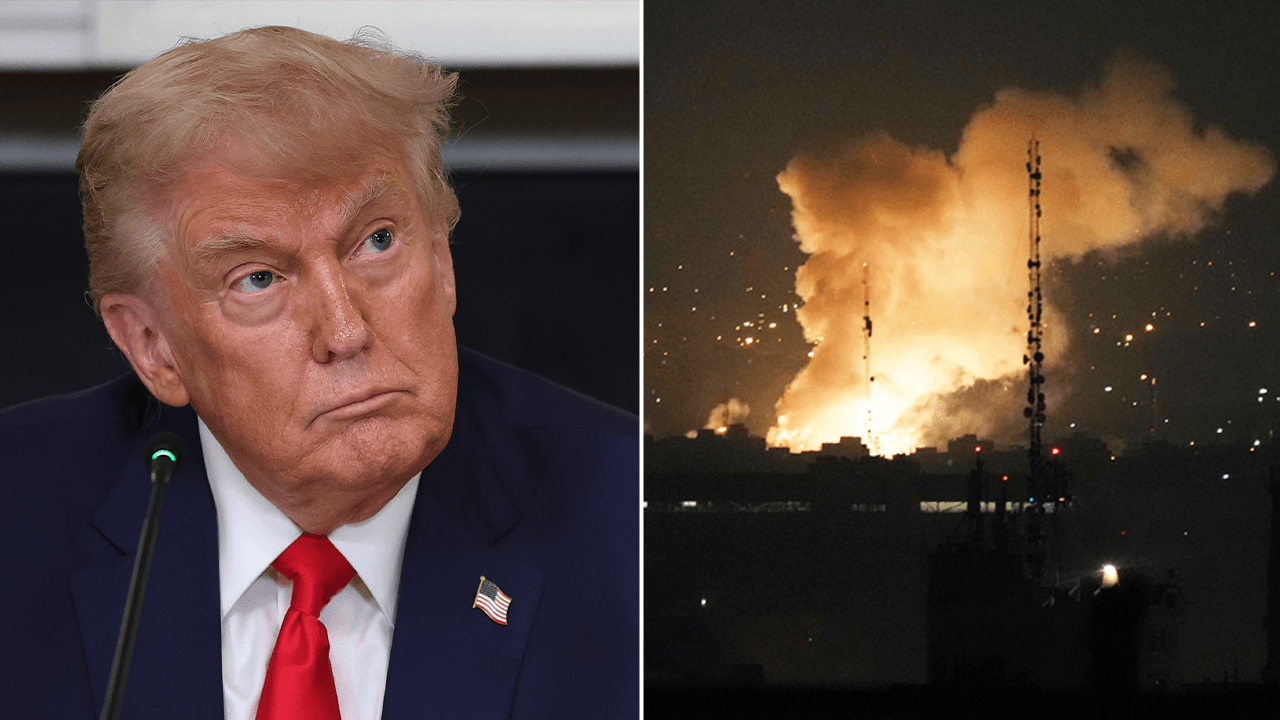
The Pentagon has named the new campaign against Iran Operation Epic Fury, a step that President Donald Trump hailed as necessary to punish a regime he said has “sown chaos across the Middle East.” The decision to strike has opened visible fissures in Washington and among the electorate, raising immediate legal battles, travel disruptions and political calculations that could reshape the November midterm landscape.
Trump projected confidence after the attack while conceding costs, saying “American heroes may be lost” and charging that “for 47 years, the Iranian regime has chanted Death to America” and “We're not going to put up with it any longer.” The administration ordered what analysts described as the largest U.S. military buildup in the Middle East since the 2003 invasion of Iraq, and flights in and out of the region were canceled or diverted amid the strikes.
Lawmakers from both parties moved quickly to respond. Republican and Democratic leaders split publicly, New York Times reporting summarized it as Republicans largely supporting the decision while Democrats mostly opposed it, though divisions appeared inside both parties. At the same time a Quinnipiac poll found 70 percent of voters said they do not want the U.S. to get involved in Iran even if protesters were killed, with just 18 percent supporting intervention. The poll also showed Republican voters opposed involvement by 53 percent to 35 percent, highlighting a gap between elite messaging and grassroots sentiment.
Congressional maneuvers escalated alongside the strikes. Representatives Thomas Massie and Ro Khanna filed a bill to block U.S. hostilities against Iran without congressional authorization and said they would try to force a vote next week. Only two House Republicans have publicly backed the measure, which faces tall odds for passage, and the House was scheduled to be in recess until Wednesday. In the Senate, Tim Kaine announced a resolution to bar further military action without congressional sign-off, saying, “The American people want lower prices, not more war - especially wars that aren’t authorized by Congress.”
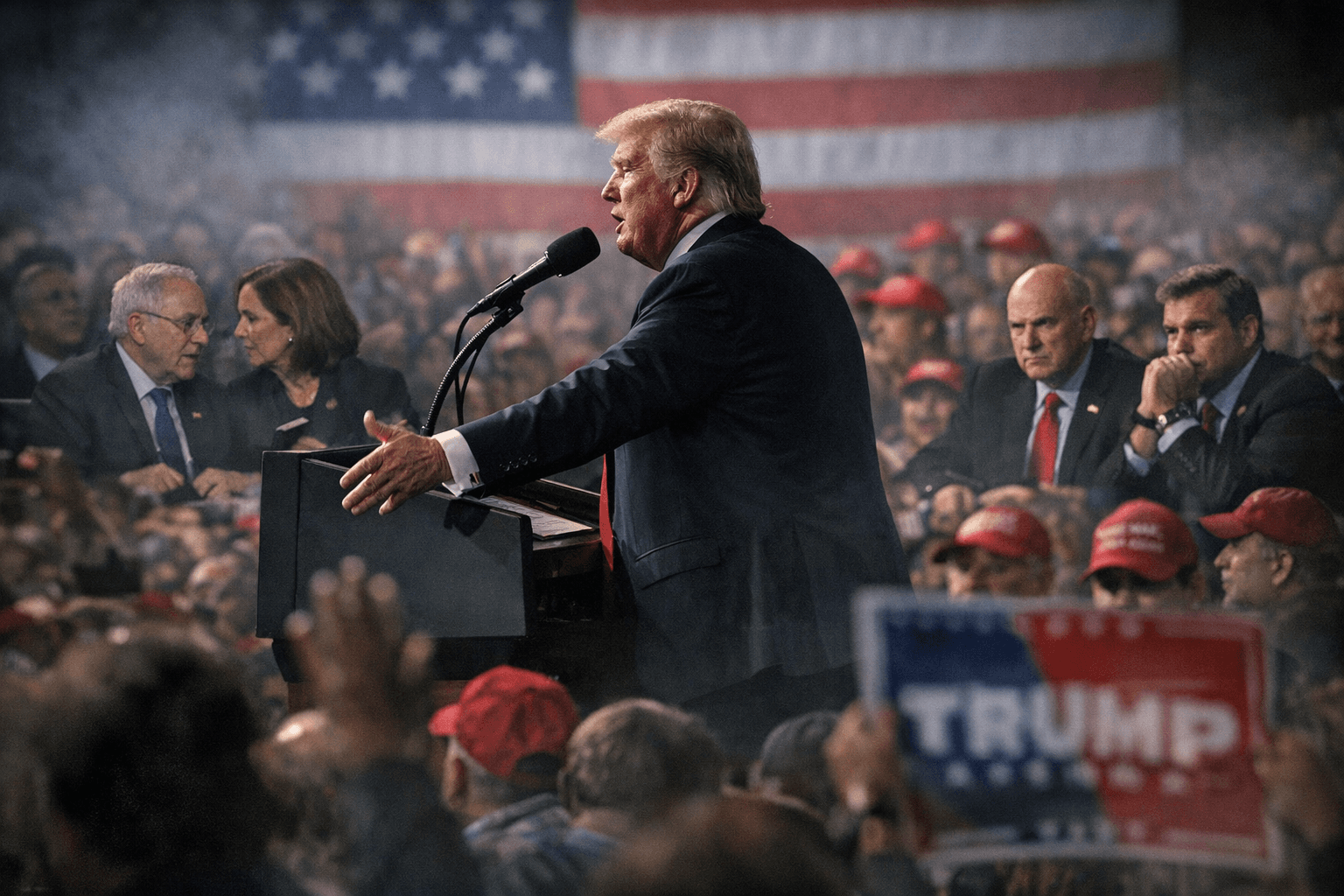
Legal and constitutional constraints are already in play. The 1973 War Powers Resolution requires the president to notify Congress within 48 hours of military action and forbids deploying forces beyond 60 days without congressional permission; Trump has said he believes the law is unconstitutional. Katherine Thompson, a senior fellow at the Cato Institute, warned that the political consequences for lawmakers could be severe, saying, “This idea that Congress is sort of left out and that a unilateral executive can take us into war - it’s antithetical to what the founders intended… the American people are sensitive to this,” and that members could face “retribution” at the polls if they fail to oppose prolonged military action.
Strategists and pollsters warn the choice carries electoral risk. David McLennan, political science professor and director of the Meredith poll, said, “If it becomes a protracted, weeks long or months long, or an even longer event, the backlash will be there. If it's strike and get out, it may be short-term backlash, but not lasting. This seems like a risk politically with the midterms right on the horizon.”
Beyond politics, the strikes followed weeks of debate inside the administration, with some senior officials privately expressing concern about a major operation. The initial public rationale emphasized Iran’s violent crackdown on protests, which one outlet reported killed thousands, then shifted toward nuclear program concerns. Officials have said the operation does not envision U.S. ground forces, but analysts warn any widening conflict could have cascading effects on global travel, energy markets and domestic priorities that voters say matter more than foreign entanglements.
This article was produced by Prism’s automated news system from verified source data, official records, and press releases, then run through automated quality and moderation checks before publishing. The system is built and supervised by the people who set the standards it runs under. Read our full AI policy.
Did this article answer your question?