Trump’s spy chief pick stalls bipartisan push to renew surveillance law
Trump’s choice of Bill Pulte as acting spy chief has pushed Section 702 to the brink, with a June 12 lapse threatening a gap in foreign intelligence collection.

A key surveillance authority is days from expiring, and Congress has been thrown off balance by President Donald Trump’s choice of Bill Pulte to run the intelligence community on an acting basis. Section 702 of the Foreign Intelligence Surveillance Act lets U.S. agencies collect foreigners’ communications overseas without individual warrants, but the 45-day extension Congress passed in late April ran toward a June 12 deadline as lawmakers struggled to reach a new deal.
The standoff turned sharper on June 5, when the Senate voted 47-52 against even starting debate on a long-term renewal bill. Seven Republicans joined nearly all Democrats in rejecting the motion, a sign that Trump’s personnel move had collided with an already fragile coalition on Capitol Hill. Democrats said they would not back reauthorization while Pulte remains in the intelligence post, arguing that his lack of national security and intelligence experience raises the risk of politicizing an agency that oversees the CIA, National Security Agency and FBI.
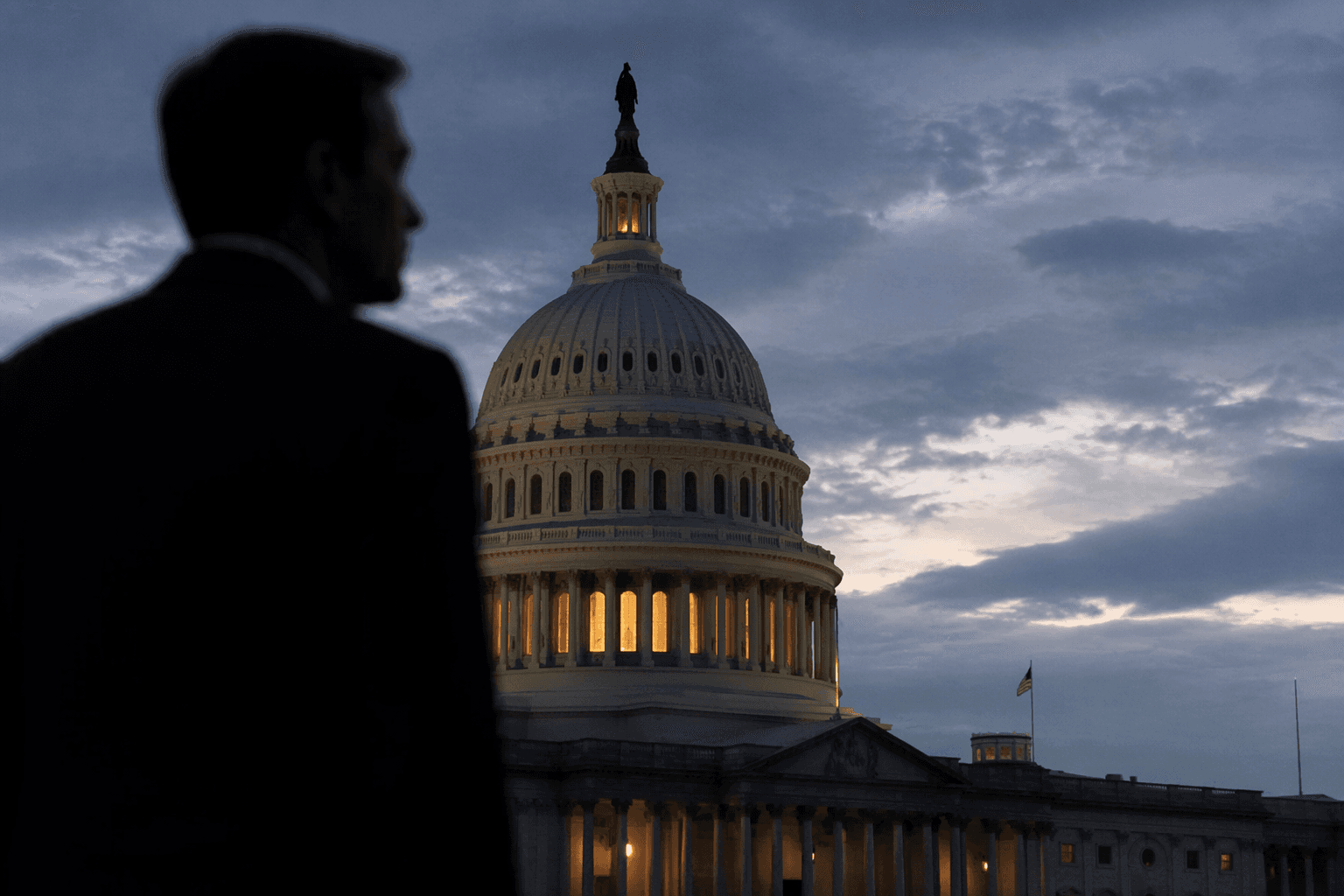
Republican support for Section 702 is not automatic either. Some GOP critics want stricter privacy limits, including a warrant requirement before officials can search Americans’ communications that were incidentally collected under the program. Senate Majority Leader John Thune said the White House would have to consider whether Pulte’s appointment was becoming an impediment to renewing the law, even as he argued the nomination fight should not derail surveillance policy.
The warning signs grew more urgent on June 8, when Senate Intelligence Chairman Tom Cotton and Senate Judiciary Chairman Chuck Grassley urged the White House to prepare for a significant gap in foreign intelligence collection if the authority expired. That warning reflected the practical stakes of the deadline: if Congress fails to act, agencies lose a major collection tool at the center of U.S. counterterrorism and counterintelligence work, and lawmakers would be left negotiating from a weaker position.
Trump tried to restart the process on June 10, asking Congress for a short-term extension of FISA while he searches for a permanent intelligence chief. He said he planned to nominate a replacement for Pulte, but had not done so by then. House Speaker Mike Johnson and Majority Leader Steve Scalise met with Trump at the White House the same day to discuss a possible nomination, a sign that GOP leaders now see the personnel battle as inseparable from the surveillance deadline.
This article was produced by Prism’s automated news system from verified source data, official records, and press releases, then run through automated quality and moderation checks before publishing. The system is built and supervised by the people who set the standards it runs under. Read our full AI policy.
Know something we missed? Have a correction or additional information?
Submit a Tip