Try this 15-minute fully reclined yin sequence for stress relief
A 15-minute fully reclined yin sequence offers stress relief without standing postures. It focuses on long holds, props and slow breathing to activate the parasympathetic response.
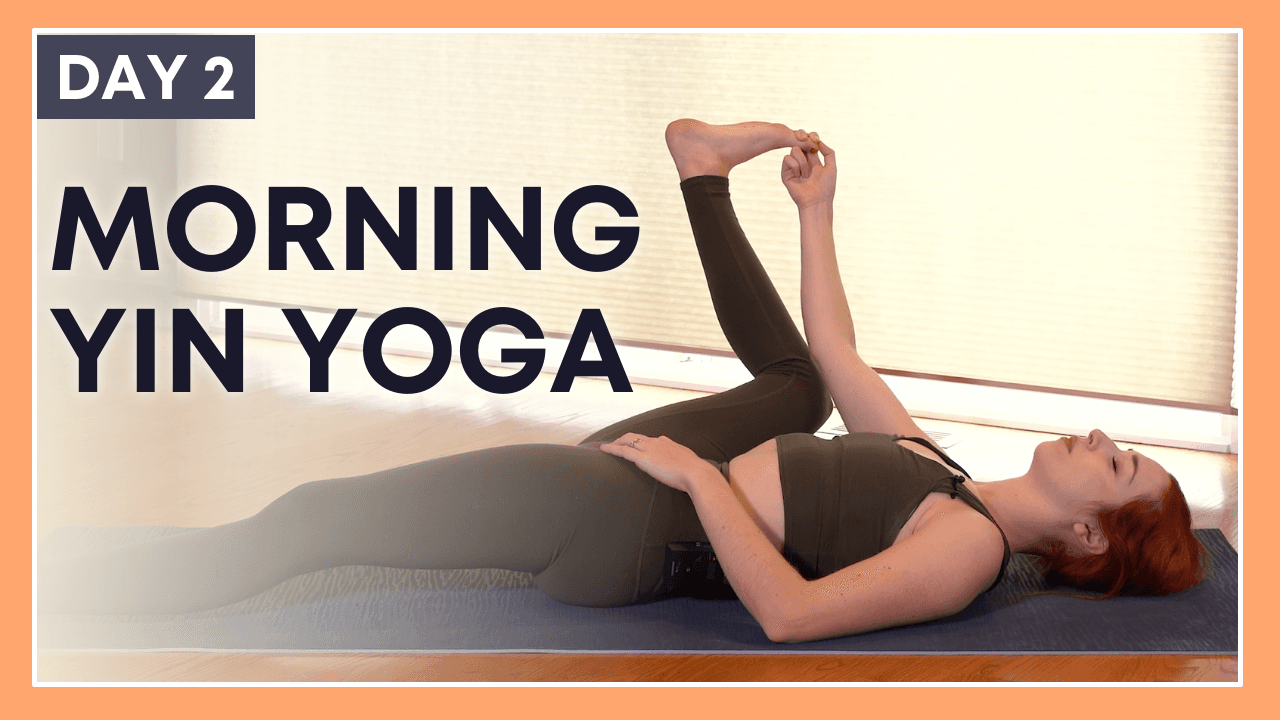
A compact, fully reclined yin sequence designed to relieve stress and soothe the nervous system was shared earlier this week as a quick restorative option for days when the body needs to rest. The 15-minute practice uses no standing postures and centers on sustained, passive shapes held on the floor to target connective tissues and invite the parasympathetic response.
The sequence emphasizes long holds, slow diaphragmatic breathing and generous support. Typical elements include supported constructive rest, a reclined butterfly (Supta Baddha Konasana) with props, gentle supine twists and other floor-based shapes held for several minutes each. The approach asks practitioners to prioritize passive openings over muscular effort, allowing gravity and time to loosen fascia and deepen relaxation.
Accessibility is built into the practice with detailed modification options. Use blankets, blocks or bolsters beneath the thighs, knees or head to reduce joint strain and increase comfort. For people with tight hips or knee sensitivity, shorten hold times and stack supports to avoid pinching or compression in the joints. Beginners can begin with 30- to 60-second holds and gradually extend toward multi-minute holds as comfort grows.
Practical cues make the 15-minute session easy to integrate. Set an intention before you lie down, start a timer so you can fully release into each pose, and place supports so you can soften without bracing. Breathe slowly and deeply into the belly throughout each hold; slow diaphragmatic breaths help shift the nervous system away from fight-or-flight and toward rest and repair.

This fully reclined sequence sits as a complement to more active practices such as vinyasa or power yoga rather than a replacement. Use it after a vigorous class to land the nervous system, on busier days when standing feels taxing, or as a standalone mini-restorative when sleep is elusive or stress levels are high. Because the practice relies on passive tissue release rather than muscular engagement, expect a different kind of progress: more subtle increases in openness and calm over repeated sessions.
For readers looking for a practical reset, this sequence offers a reproducible, low-barrier tool. Set aside 15 minutes tonight, gather a blanket and a block or two, and let support and breath do the work. Over time, the practice can become a dependable way to regulate stress and restore balance after intense practices or busy days.
Sources:
Know something we missed? Have a correction or additional information?
Submit a Tip