TSA Chief Warns of Record Airport Wait Times as Shutdown Enters Day 40
TSA officers called out at rates above 40% at some airports, pushing wait times past four hours as the DHS shutdown hit day 40.
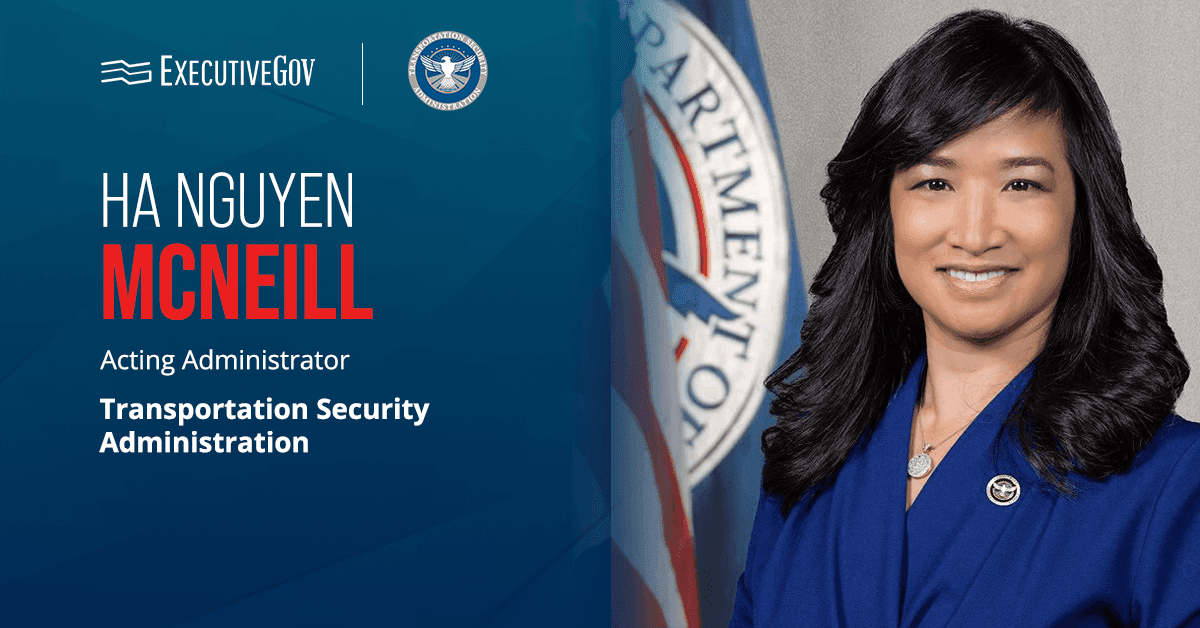
Acting TSA Administrator Ha Nguyen McNeill told the House Committee on Homeland Security Wednesday that the nation's airports were experiencing "the highest wait times in history," with callout rates that had climbed from a pre-shutdown baseline of 4% to more than 40% at some locations since the Department of Homeland Security shutdown began on Feb. 14.
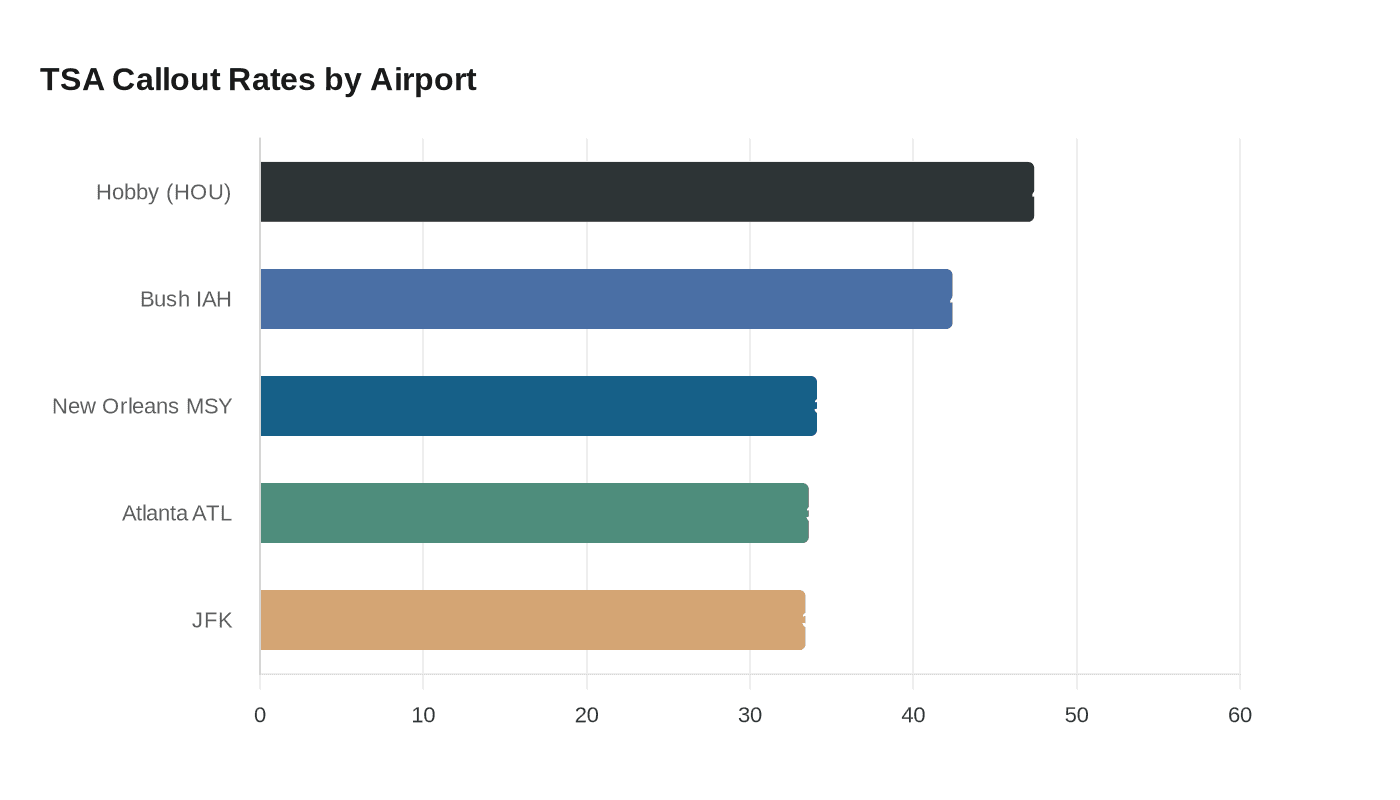
The warning came as the partial shutdown hit its 40th day, with spring break travel compounding pressure on a workforce going without pay. Nationwide, daily callout rates reached 11% on average, according to McNeill's prepared remarks, but that figure masked far steeper shortfalls at individual airports. Houston's William P. Hobby Airport posted a 47.4% callout rate on Saturday, while George Bush Intercontinental recorded 42.4%. New Orleans' Louis Armstrong International came in at 34.1%, Atlanta's Hartsfield-Jackson at 33.6%, and JFK at 33.4%, according to DHS figures.
At Hartsfield-Jackson, General Manager Ricky Smith said the callout rate was running about 36%, and one traveler there described the airport as "mass chaos." The airport advised passengers to allow at least four hours for domestic and international screenings. The highest recorded wait time Wednesday morning was 150 minutes at Houston's George Bush Intercontinental.
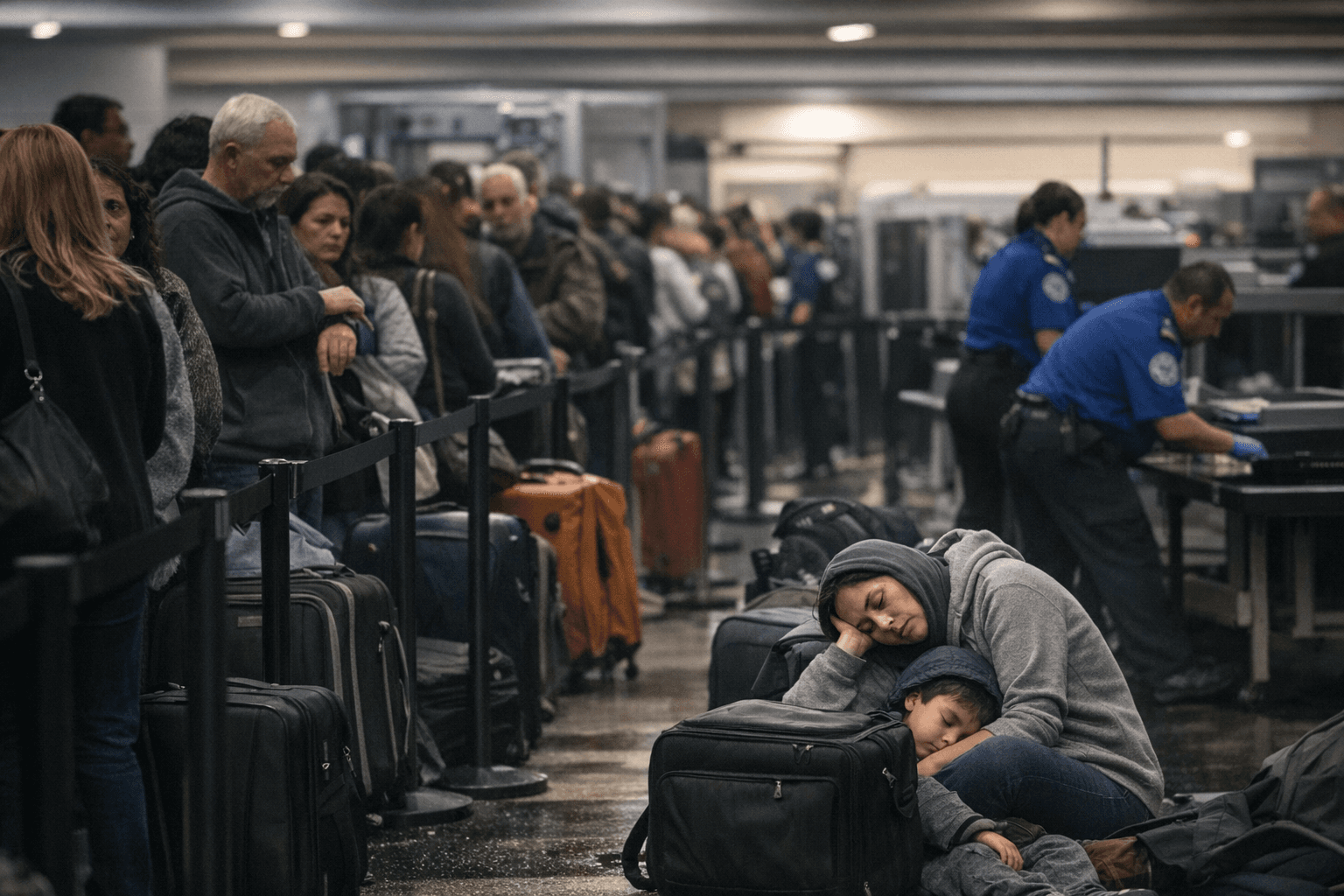
McNeill told lawmakers the financial toll on TSA workers had become acute. "Many in our workforce have missed bill payments, received eviction notices, had their cars repossessed and utilities shut off, lost their childcare, defaulted on loans, damaged their credit line and drained their retirement savings," she said. Some workers, she added, "simply cannot afford to report to work." At Bush Intercontinental specifically, the elevated callout rate was linked in part to the long commutes workers face, with gas and transit costs becoming unmanageable after more than a month without a paycheck.
More than 480 TSA officers have left the agency since the shutdown began, McNeill said. A DHS figure cited separately put the number of officers who quit altogether at at least 458. Even if funding resumed immediately, McNeill warned, training new officers takes four to six months, meaning any replacements would likely not be ready before the 2026 World Cup, when the United States is expected to see a major surge in international travel. She called the convergence of factors "a perfect storm."
The shutdown may force TSA to consider closing some smaller airports entirely until funding is restored, McNeill said. President Trump responded to the staffing crisis by ordering Immigration and Customs Enforcement agents to assist with airport security, a move that alarmed some lawmakers. Trump said he asked those agents not to wear masks at airports because it was not an "appropriate look," adding: "People coming into the airport, typically speaking, aren't murderers, killers, drug dealers, etc."
Markwayne Mullin, sworn in as DHS secretary on Tuesday, said his immediate focus was clear: "My first priority is to end the partisan fighting and reopen the U.S. Department of Homeland Security as a matter of national security." Meanwhile, senators were pursuing a funding deal that would restore pay for TSA workers and much of DHS but exclude immigration operations, the central sticking point in the impasse. The hearing stretched past two hours as lawmakers and agency officials pressed the urgency of a crisis playing out in real time across the country's busiest terminals.
This article was produced by Prism’s automated news system from verified source data, official records, and press releases, then run through automated quality and moderation checks before publishing. The system is built and supervised by the people who set the standards it runs under. Read our full AI policy.
Did this article answer your question?

