TSA Officers Resume Pay After Month Without Wages, But Lines May Last Weeks
With officers selling blood to survive and callout rates hitting 50%, TSA's longest wait times in 24 years won't end when paychecks do.
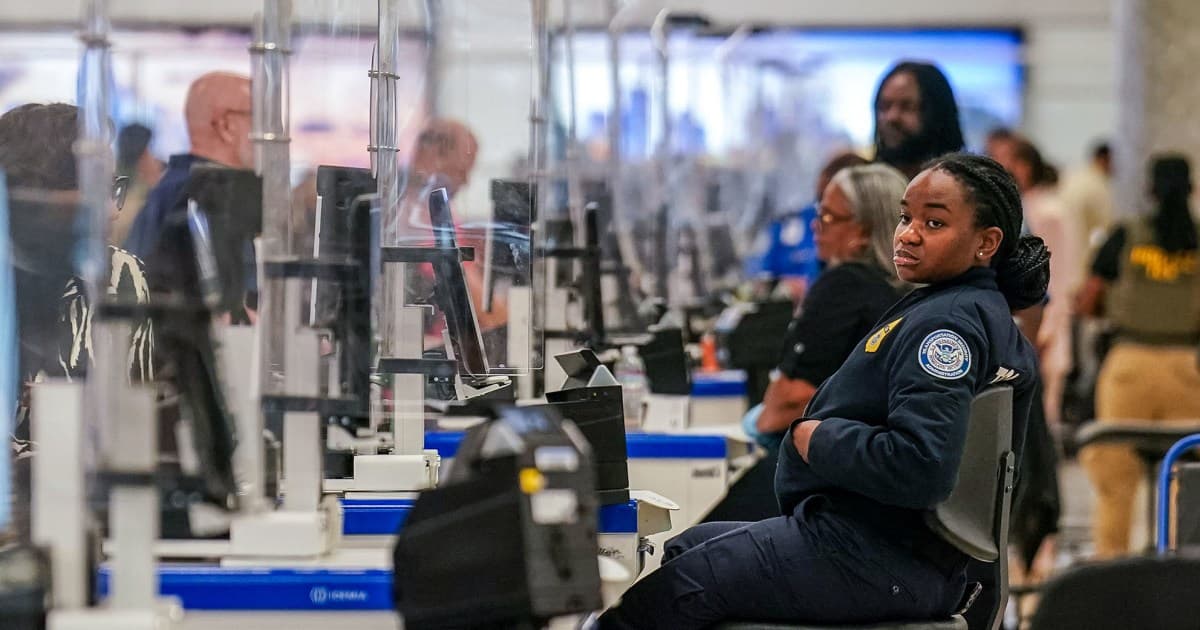
More than an hour before dawn on a Friday morning, lines for TSA screening at Hartsfield-Jackson Atlanta International Airport had already stretched past the enormous atrium. Travelers who finally reached the front were told the wait for security screening could take two hours. One passenger, glimpsing the crowd for the first time, captured the scene in three words: "There's no way!"
Behind those lines stood officers who had not received a paycheck in more than a month.
TSA officers began receiving pay again on Monday after working without wages since the partial government shutdown started in mid-February, but the resumption of pay alone will not undo weeks of cascading disruption. Normal operations are unlikely to resume until Congress reaches an agreement on Department of Homeland Security funding and President Donald Trump approves a deal, a political sequence with no guaranteed timeline.
The scale of the breakdown is historic. TSA Deputy Administrator Ha Nguyen McNeill told the House Homeland Security Committee that the agency is "experiencing the longest wait times ever in its 24-year history." At some major airports, waits have exceeded four hours, with employees calling out at rates of 40 to 50 percent. McNeill warned that if the shutdown had continued into Friday, TSA would have missed almost $1 billion in paychecks since it began. "This level of disruption is unprecedented, and unacceptable, and significantly undermines the security of U.S. transportation systems," she said.
Lines at John F. Kennedy International Airport in Queens were visibly overwhelming on March 23, while Atlanta's Hartsfield-Jackson became a flash point as staffing shortages collided with the spring break travel surge. The officers still reporting did so at serious personal cost. McNeill told committee members that employees have been unable to pay utility bills, had their services shut off, received eviction notices, slept in their cars, and sold blood and plasma to survive. Aaron Barker, the local American Federation of Government Employees union president for Atlanta, described workers managing "eviction notices, vehicle repossessions, empty refrigerators and overdrawn bank accounts." He noted that "the traveling public has been really nice," then added: "What is shocking, though, is a lot of people are unaware that we are in a government shutdown."
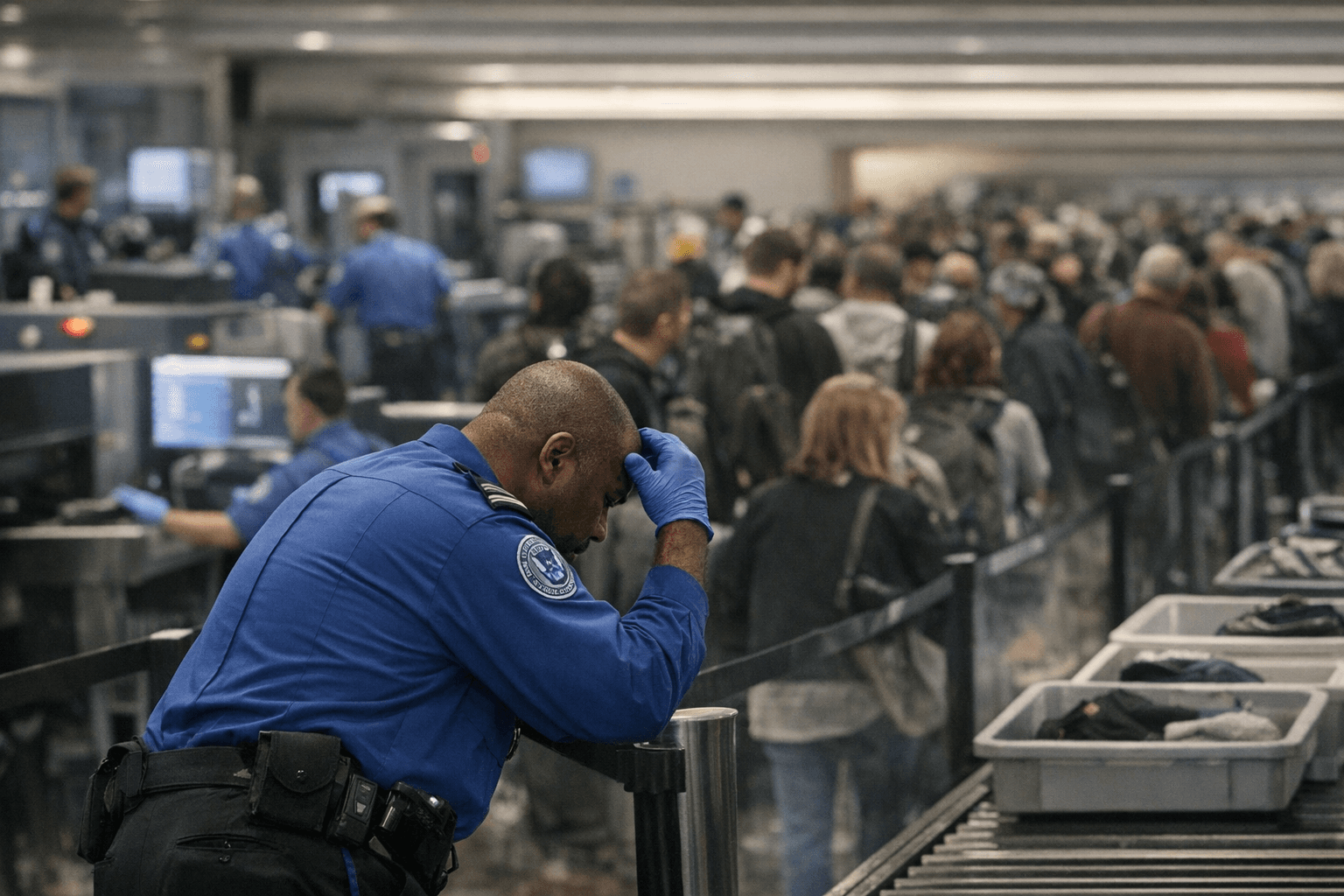
Even with paychecks restored, rebuilding full TSA capacity is a slow process. According to McNeill's committee testimony, more than 480 employees have quit since the shutdown began; a separate Newsweek report put the figure at more than 300. Both counts point the same direction: replacing any departed officer requires four to six months of training before a new hire can work a checkpoint. After the 2018-2019 shutdown, the longest in U.S. history, unscheduled absences returned to normal levels within days or weeks, but the agency still suffered a net loss of personnel. The fall 2025 shutdown followed the same pattern, with long-term staffing consequences outlasting the callout spike.
The operational consequences are already compounding. Airports have closed screening lanes and consolidated checkpoints, triggering missed flights and mounting pressure on airlines and federal officials. McNeill warned that smaller airports may face outright closure due to understaffing. The training bottleneck also creates a concrete upcoming problem: officers hired today would not be ready to staff several FIFA World Cup matches in Los Angeles starting in June.
Until Congress acts and Trump signs off, the TSA's message to travelers is the same one McNeill delivered before the committee: patience, "as our officers are working their hardest to ensure you can travel safely, all the while not getting paid.
This article was produced by Prism’s automated news system from verified source data, official records, and press releases, then run through automated quality and moderation checks before publishing. The system is built and supervised by the people who set the standards it runs under. Read our full AI policy.
Did this article answer your question?