Tuareg, jihadist attacks plunge Mali into its worst crisis since 2012
A suicide bombing killed Mali’s defence minister as Tuareg rebels and JNIM overran Kidal, exposing fresh cracks in the junta’s Russian-backed security model.
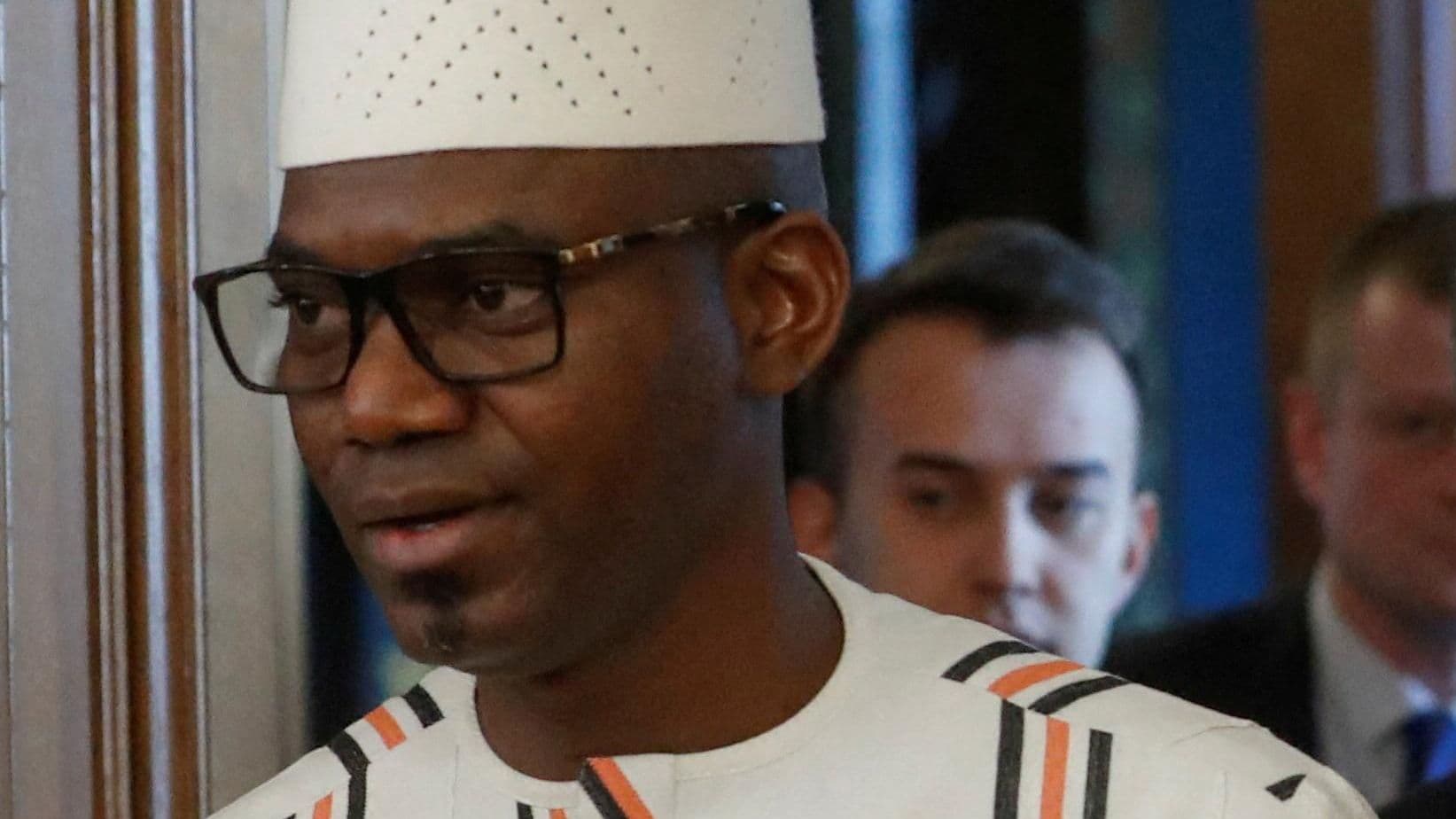
A suicide car bombing at Sadio Camara’s residence in Kati killed Mali’s defence minister and punctured the image of control that the military junta has tried to project since taking power in the coups of 2020 and 2021. The assault came as Tuareg separatists and al Qaeda-linked jihadists struck multiple targets across Mali over the weekend of April 25-26, including the northern town of Kidal and military positions near Bamako.
The violence forced Russian Africa Corps forces to withdraw from Kidal after fierce fighting, while Malian troops also pulled back or repositioned. Africa Corps, a paramilitary force controlled by Russia’s Defence Ministry, later confirmed the withdrawal on April 27. The retreat was a stark signal that Russian-backed protection has not been able to hold the line against a coordinated insurgent offensive.
Kidal carries both strategic and symbolic weight. Long a Tuareg rebel stronghold, it was retaken by Malian forces with Russian support in November 2023, a victory the junta used to reinforce its legitimacy. Losing that advantage, or even being seen to lose it, damages the government’s claim that its hardline security turn has restored state authority in the north.
The weekend attacks also showed how far the conflict has evolved beyond a simple state-versus-rebel fight. Tuareg fighters and jihadists, including Jama’at Nusrat al-Islam wal-Muslimin, have increasingly overlapped on the battlefield, turning pressure on the Malian army and its Russian backers into a more coordinated campaign. The strike on Kati, about 15 kilometers northwest of Bamako, extended the threat beyond the northern frontier and into the capital’s security perimeter.
Analysts described the assault as the most serious security crisis Mali has faced since the 2012 insurgency. The junta announced two days of national mourning after the attacks, but Assimi Goïta had not appeared publicly or issued a statement as of April 27. The European Union condemned the violence and offered condolences, underscoring the limited room Western governments have to shape events on the ground while Russian influence, though decisive in some operations, is being tested by the scale and coordination of the insurgent response.
For Mali and the wider Sahel, the fight over Kidal now looks like more than a local setback. It is a measure of whether Moscow’s security model can stabilize a collapsing frontier state, or whether it is helping expose the deeper weakness of a military order that still cannot secure the north, the capital’s approaches, or the political center in Bamako.
This article was produced by Prism’s automated news system from verified source data, official records, and press releases, then run through automated quality and moderation checks before publishing. The system is built and supervised by the people who set the standards it runs under. Read our full AI policy.
Did this article answer your question?


