Tuchel faces knockout test as England enter World Cup danger zone
Tuchel’s England reached sudden-death football with defensive doubts intact, and the DR Congo tie exposed whether he trusted caution, star power or flexibility.
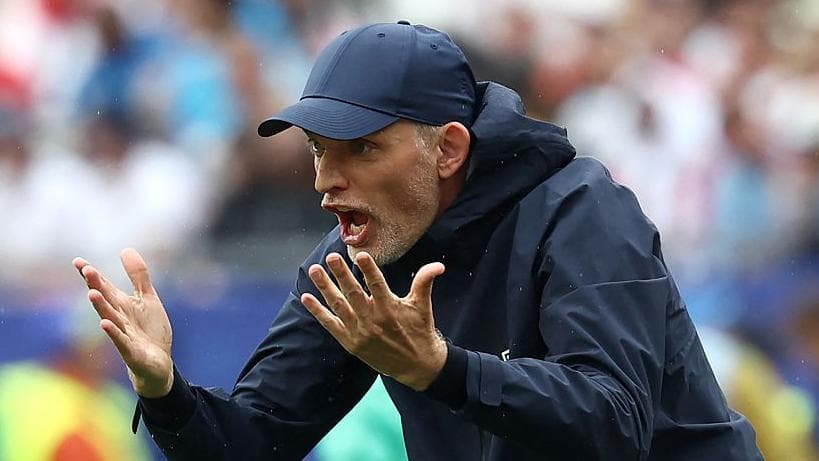
England entered the knockout phase with Thomas Tuchel’s central problem unchanged: his strongest side was still being shaped by injuries, omissions and a back line that had not settled. After wins over Croatia and Panama and a 0-0 draw with Ghana, England moved into sudden-death territory where one mistake could end the campaign in Atlanta.
Tuchel had described the route to this stage as a three-part project, with the knockout round as “the third chapter” of a run he wants to finish with England’s first World Cup title since 1966. The next step came against DR Congo on Wednesday, 1 July 2026, at 17:00 BST in the closed-roof, temperature-controlled Atlanta Stadium, a $1.6bn venue built to cope with the heat and pressure of a tournament already defined by shocks.
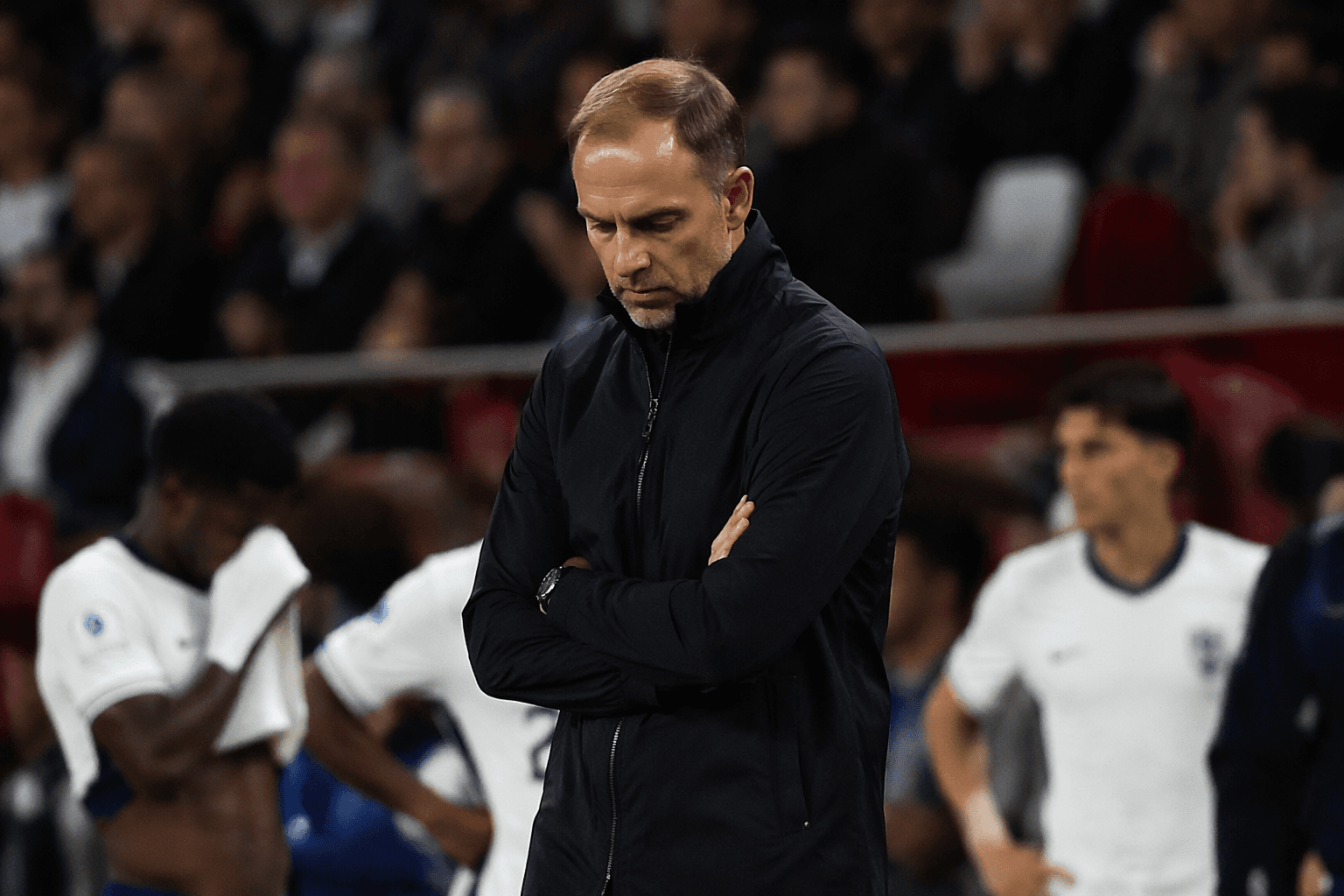
The key question for Tuchel was whether he would lean on control or conviction. He had repeatedly pushed back against the idea that England were among the favourites, while stressing the need for hunger and joy rather than fear. Wayne Rooney sharpened the concern by saying England lacked stability in goalkeeper and the back four, and the evidence on the pitch backed that up. Tino Livramento had already been ruled out before the tournament began, Reece James suffered a hamstring injury against Croatia, and Jarell Quansah was hurt against Panama. Both James and Quansah missed the DR Congo match, leaving England thinner at right-back and more exposed to the kind of disruption knockout football punishes immediately.
Tuchel’s selection calls had already given the squad a sharper edge. He named his 26-man World Cup squad on 22 May 2026, with England’s official announcement following on 1 June. Harry Kane led England at his third World Cup, matching Billy Wright’s record of captaining England at three successive World Cups. Kane went into the knockout stage with 112 caps, 78 goals, eight World Cup goals and 11 World Cup appearances, two short of Gary Lineker’s England World Cup record of 10. Jordan Henderson was in his fourth World Cup squad and seventh major tournament overall, while Jordan Pickford and John Stones each stood on 12 World Cup appearances.
The squad also reflected Tuchel’s judgment on balance over reputation. Dean Henderson, Marc Guéhi, Ezri Konsa, Kobbie Mainoo, Eberechi Eze, Anthony Gordon, Ollie Watkins, Ivan Toney and Reece James were in line for first World Cup minutes, while Phil Foden, Cole Palmer, Trent Alexander-Arnold and Harry Maguire were left out. Tuchel said he had chosen the “best possible team, not necessarily 26 most talented players,” a line that now carried real weight as England faced the first elimination test of his tenure.
This article was produced by Prism’s automated news system from verified source data, official records, and press releases, then run through automated quality and moderation checks before publishing. The system is built and supervised by the people who set the standards it runs under. Read our full AI policy.
Did this article answer your question?