United States faces Bosnia and Herzegovina in World Cup knockout match
Bosnia and Herzegovina met the United States in Santa Clara carrying a state shaped by Dayton, a war-torn past and a diaspora that stretches far beyond its 3.1 million people.
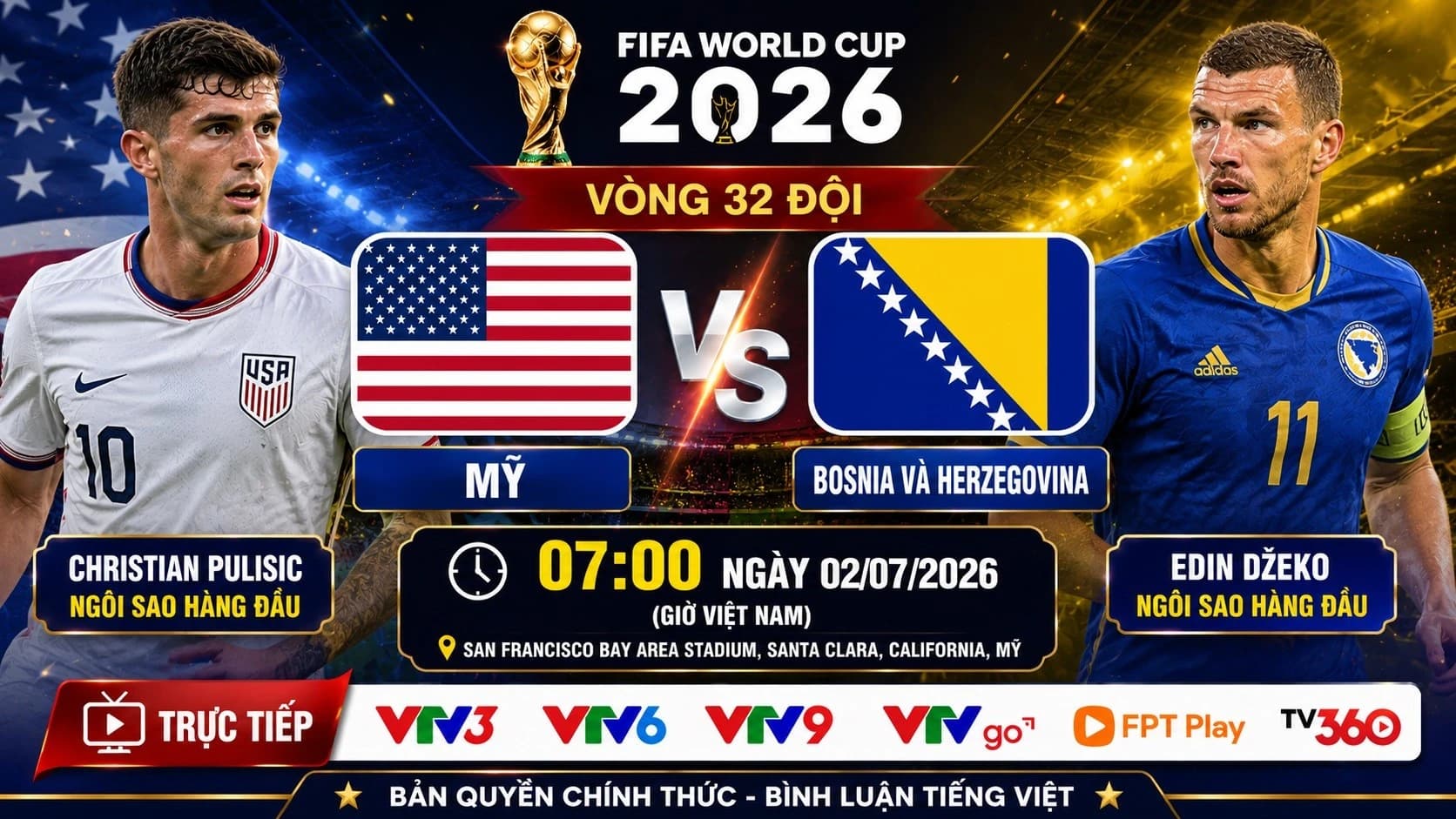
Bosnia and Herzegovina met the United States on Wednesday in the Round of 32 at San Francisco Bay Area Stadium in Santa Clara, California, a knockout game that also closed the venue’s World Cup run after five group-stage matches. The U.S. Soccer Federation said the Americans had won Group D and were chasing their first knockout-stage victory since 2002, with a place in the Round of 16 for the fourth time in as many tries.
The opponent on the other side of the bracket carried a history that still defines the country. Bosnia and Herzegovina emerged from the breakup of Yugoslavia and the Bosnian War, which ran from 1992 to 1995 after an independence referendum held from February 29 to March 1, 1992. The Dayton Accords, initialled in Dayton, Ohio, on November 21, 1995, and signed in Paris on December 14, 1995, preserved Bosnia and Herzegovina as a single state made up of the Federation of Bosnia and Herzegovina and Republika Srpska, with Brčko District holding special status. Sarajevo remained the undivided capital.
That layered structure still shapes how the country is understood at home and abroad. The Parliamentary Assembly of Bosnia and Herzegovina describes the current constitutional-legal system as rooted in that Dayton agreement, and British Parliament notes the constitution is built on the same 1995 framework. For American fans, that history matters because Bosnia and Herzegovina is not just a flag on a scoreboard but a state whose identity was forged through war, negotiation and uneasy power sharing.
The country is small, but its social reach is not. The World Bank estimated Bosnia and Herzegovina’s population at 3,164,253 in 2024, GDP at about $29.61 billion, and GDP per capita at $9,358.8. It put unemployment at 11.0% in 2025 and remittances at 10.6% of GDP in 2024, figures that help explain why Bosnian communities abroad remain so important to families, local economies and sporting life. Sarajevo, which city officials describe as the country’s administrative, economic, cultural, academic and sports center, remains the symbolic heart of that network.
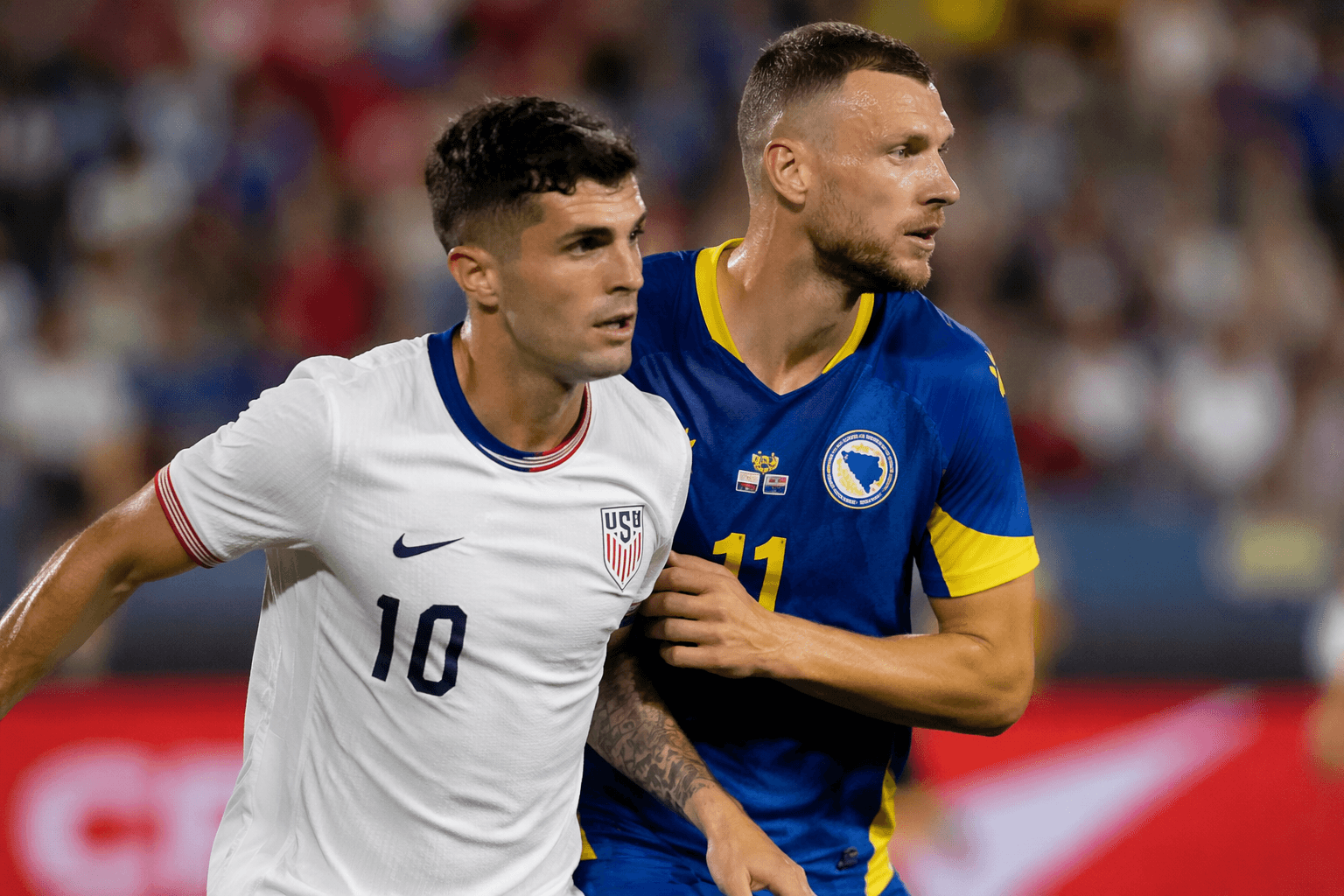
On the field, Bosnia and Herzegovina arrived with a team strong enough to make the matchup feel far more complicated than a routine knockout draw. The country’s football federation said in September 2025 that its men’s national team was ranked 73rd in FIFA’s men’s rankings with 1,344 points. The U.S. men had already seen Bosnia and Herzegovina once before in Carson, California, in 2018, when the teams played to a scoreless draw and then a 1-0 U.S. win.
That combination of history, demographic weight and sporting ambition gave the match a meaning that went well beyond Santa Clara. Bosnia and Herzegovina entered as a team from a country still living inside the borders drawn by peace, not just play.
This article was produced by Prism’s automated news system from verified source data, official records, and press releases, then run through automated quality and moderation checks before publishing. The system is built and supervised by the people who set the standards it runs under. Read our full AI policy.
Did this article answer your question?