Tuna Gear Matchups: Choosing Rods, Reels and Lines for Bluefin, Yellowfin, Bigeye
Match species to gear: bluefin need 50–130 class reels, 50–130 lb braid and 80–300 lb leaders; yellowfin work on 30–50 class setups with 20–50 lb braid; bigeye demand heavy jig rods and 80–150 lb braid.
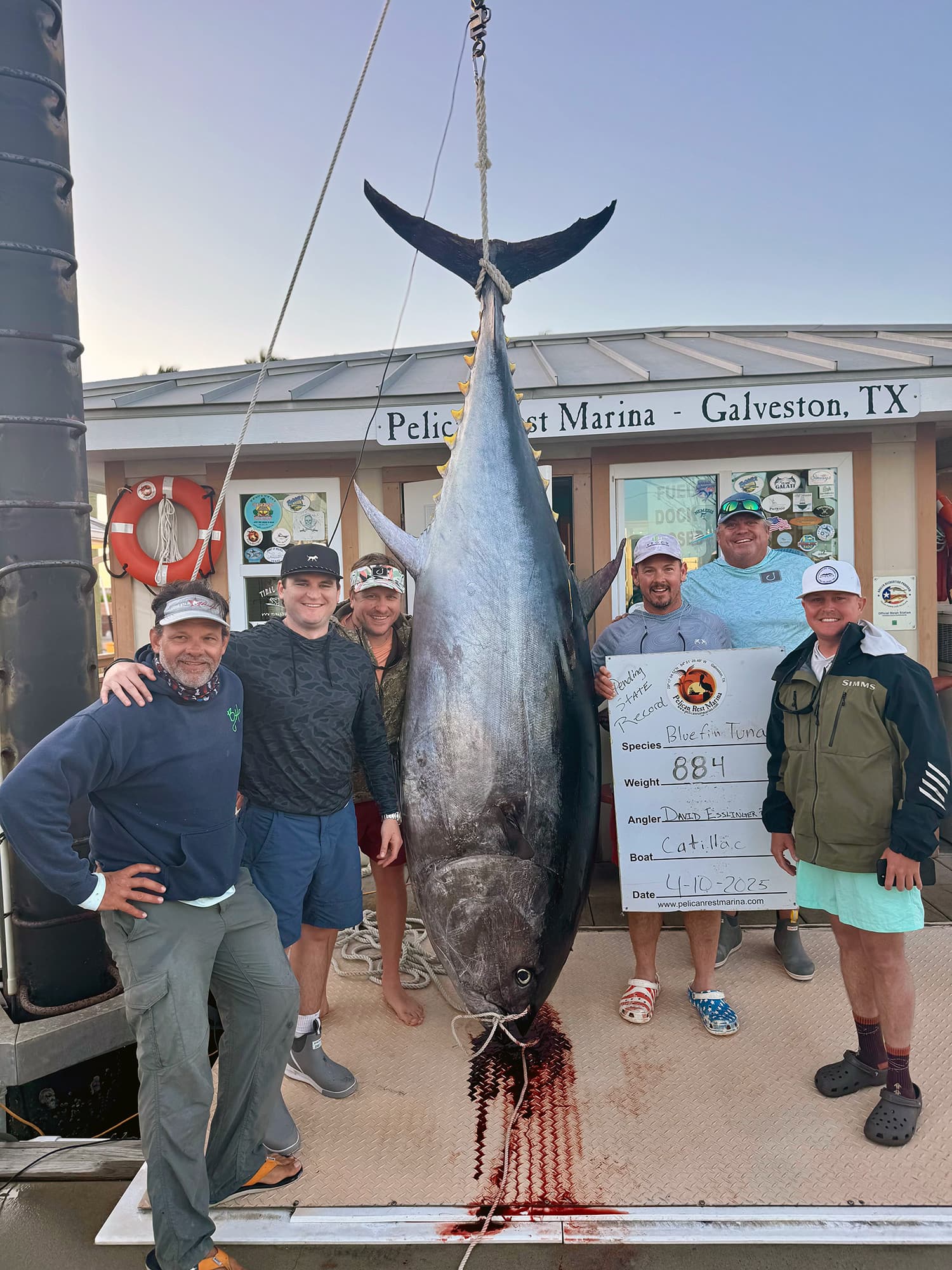
If you want to land tuna consistently, match the species to rod, reel and line capacity before you leave the dock, the wrong combo hands the fish the advantage in the first run. Below are practical, field-tested matchups for bluefin (popping/trolling), yellowfin (live‑baiting/chunking) and bigeye (deep jigging), with recommended rod specs, reel classes, line and leader choices, and technique notes you can apply on day one.
1. Bluefin, popping, chunking and trolling matchups
Bluefin demand beef and stopping power: lean toward 50–130 class conventional reels, heavy or extra‑heavy rods, and braid in the 50–130 lb range with fluorocarbon leaders from 80–300 lb depending on fish size. Use shorter, stout rods for netting leverage on the rail and longer, forgiving rods when you expect big long runs.
- Rod: Choose 6'6"–7'6" conventional or stand‑up rods rated heavy to X‑heavy with a fast tip and stout butt section. These lengths balance casting poppers and holding leverage during long runs; a heavier blank absorbs shock from popping blasts and supports large swivels and leader knots.
- Reel: Run a conventional reel in the 50–130 class; a 50–80 will handle most bluefin up to mid‑100s, while 130 class reels give the spool capacity and sustained drag for larger beasts. Look for reels with stable drags capable of 30–60+ lb of smooth pressure and large spool diameters to reduce line twist and heat during extended runs.
- Line and leader: Spool braid in the 50–130 lb range for strength-to-diameter advantage; pair it with a fluorocarbon leader from 80–300 lb tied with a reliable knot or a crimped sleeve for abrasion resistance. Leaders toward the upper end matter when you’re fishing around kelp, kelp lines or when tuna are swiping hard.
- Terminal tackle and lures: For popping use 6–12 oz poppers and large stickbaits; heavy single hooks (6/0–10/0) or trebles, plus strong split rings and swivels. For trolling set up with 6–12 oz plugs or cedar plugs and 10–20 ft of leader behind your lure to keep bait in the strike zone.
- Technique tip: Set initial drag conservatively and increase as the fish tires; the initial run often dictates success, so ensure reel drag can dissipate heat steadily rather than spiking or slipping.
2. Yellowfin, live‑baiting, chunking and fast‑water hookups
Yellowfin favor speed and range: a 30–50 class reel, medium‑heavy rods and 20–50 lb braid paired with 60–130 lb leaders are the sweet spot for most charter and sport operations. These fish hit fast; you need gear that accelerates without sacrificing hookset power.
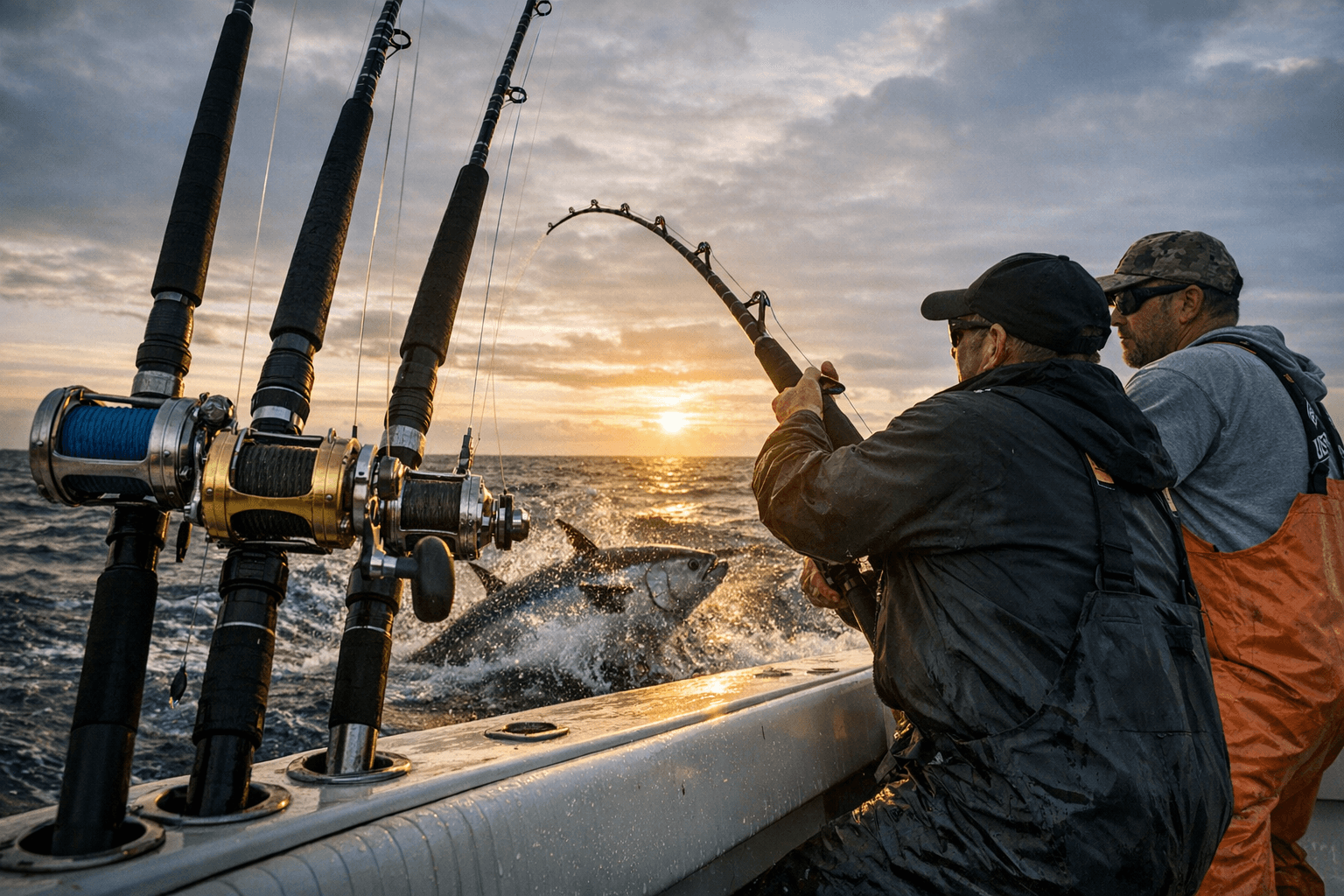
- Rod: Use 6'6"–7'6" medium‑heavy to heavy rods with a fast tip to load quickly on short, explosive runs. Shorter rods give quick boat-side control for gaffing and steer the fish away from the transom.
- Reel: 30–50 class conventional reels with smooth drags in the 15–35 lb range perform well on yellowfin schools. Choose reels with moderate spool capacity so you can fill 200–300 yards of 30–50 lb braid and avoid overfilling, which can create backlashes on big runs.
- Line and leader: Spool 20–50 lb braided line for excellent sensitivity and casting control when live‑baiting or throwing poppers; attach a 60–130 lb fluorocarbon or mono leader to absorb abrasion and deliver better bite concealment. Leader length of 2–6 ft works depending on presentation method (shorter for kite/live‑bait, longer for high‑speed trolling).
- Terminal tackle and baits: Live tunas, skipjack and pilchards are primary baits; use 4–8 oz poppers for topwater blitzes. Hooks in the 2/0–6/0 range and strong snap swivels keep hookups secure. For chunking rigs, heavy single hooks and 24–36” leaders help keep the bait upright.
- Technique tip: Yellowfin often hit in open water; keep drag crisp and your retrieve quick. On kites or live‑bait sets, have a spare rod rigged to jump on the fish immediately, seconds matter.
3. Bigeye, deep jigging and slow‑pitch matchups
Bigeye live deep and respond to heavy jigging power: select slow‑pitch or vertical jig rods rated for 150–300 g jigs, spooled with 80–150 lb braid and paired with 100–300 lb leaders when wiring to boat or fish near structure. Reel choices include high‑capacity, high‑line‑retrieve jigging reels built to withstand continuous heavy loads and deep drops.
- Rod: Pick a slow‑pitch or deep‑water jigging rod 5'6"–6'4" rated for 150–300 g (or heavier depending on depth). The rod should have a responsive midsection for working jigs and a stout butt for lifting fish off the bottom without whipping or blunting hooksets.
- Reel: Use a heavy jigging reel with high line capacity and a powerful drag system (30–60 lb continuous drag) and a gear ratio that balances cranking power and retrieve speed, many anglers prefer reels engineered for sustained handling of deep‑set fish. Large spools are essential to reduce line memory and friction.
- Line and leader: Spool braid in the 80–150 lb range to manage abrasion and horizontal pressure at depth; add a 100–300 lb fluorocarbon or heavy mono leader for shock absorption and bite resistance. Longer leaders help when fish strike short on the jig; cut leaders accordingly to presentation.
- Terminal tackle and jigs: Use 150–400 g metal jigs, assist hook rigs, and varnished or painted finishes that test well at depth. Strong split rings, corrosion-resistant hooks and quality swivels reduce failure points on heavy, toothy tuna.
- Technique tip: Bigeye often strike during slow, repeated jigging patterns; focus on steady cadence and let the jig sink properly between lifts. Keep drag set firm but not maxed to preserve hook integrity during sudden short runs.
Practical checks before you leave the dock 1. Match braid and leader breaking strengths so that leader is typically equal to or heavier than your braid; a common rule is leader 1.5–2× braid for bluefin and bigeye scenarios. 2. Test your drag with a known weight on deck to ensure smooth performance across the range you expect to use; heat build-up is a frequent failure point on long bluefin runs. 3. Carry spare leaders, a selection of hook sizes (from 2/0 to 12/0), and a range of jigs (150–400 g) and poppers (4–12 oz) so you can pivot mid‑trip.
Final note, what reels and line buy decisions hinge on Your target species, depth and tactic determine spool size and drag rating more than brand. If you spend a season chasing bluefin and bigeye, prioritize higher class reels and heavy braid capacity. If yellowfin and smaller surface schools are your regular quarry, lighter 30–50 class setups with quick, responsive rods will save weight and fatigue on long days.
Share hook: get this right and your hookups move from “was that a bite?” to “fish on”, most captains will tell you the first 60 seconds of a tuna hookup determines whether you land it. Match the gear above to the species you’re focused on and you’ll turn more strikes into fish.
Know something we missed? Have a correction or additional information?
Submit a Tip