Turkey Says Lebanon Cyprus Maritime Pact Violates Turkish Cypriot Rights
Turkey condemned a maritime delimitation agreement signed today between Lebanon and the Republic of Cyprus, calling the pact unacceptable and saying it disregards the rights of Turkish Cypriots. The dispute threatens to complicate eastern Mediterranean energy cooperation and revives longstanding questions about maritime jurisdiction and the rights of divided communities on Cyprus.
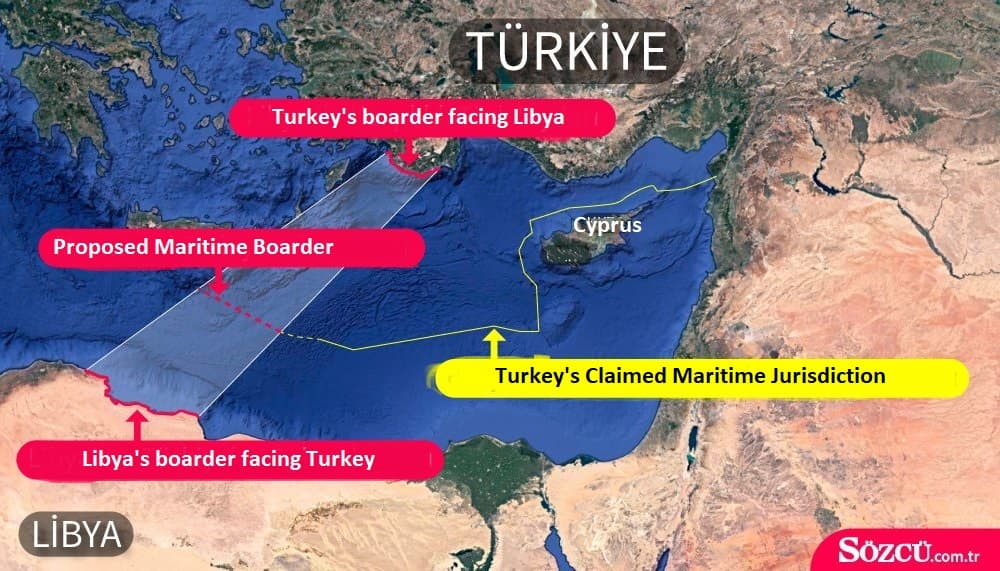
Turkey on November 27 publicly denounced a newly signed maritime delimitation agreement between Lebanon and the internationally recognized government of the Republic of Cyprus, saying the arrangement is unacceptable because it ignores the rights and claims of Turkish Cypriots. Ankara’s foreign ministry rejected the pact soon after the signing, saying the deal would not be acceptable to Turkey and asserting that any talks over offshore resources must take account of the Turkish Cypriot community.
Lebanon and the Republic of Cyprus framed the agreement as a long awaited step to clarify maritime boundaries and to unlock offshore energy projects and hydrocarbon exploration in the eastern Mediterranean. Officials in Beirut and Nicosia have argued that clearer lines will facilitate licensing and cooperative development of undersea fields, efforts seen as potentially important for energy security and economic recovery in the region.
The immediate Turkish rebuke underlines how resource diplomacy in the eastern Mediterranean remains deeply entangled with politics on land, in particular the decades long division of Cyprus. The island has been partitioned since 1974, with the northern part administered by Turkish Cypriots and recognized only by Turkey. Ankara has consistently pressed for Turkish Cypriot involvement in decisions over natural resources around the island, and it views unilateral moves by the Republic of Cyprus as excluding the interests of the Turkish Cypriot community.
Analysts say the dispute could complicate existing plans for exploration and licensing in the eastern Mediterranean by injecting fresh political uncertainty into projects that already require multilateral coordination. Companies and governments planning bids or seismic surveys will be watching closely for diplomatic fallout, legal challenges and the prospect of competing claims that could delay contracts and development timelines.

The disagreement also raises broader legal and diplomatic questions about how maritime boundaries are drawn and how the rights of communities that lack broad international recognition are to be protected in resource sharing. Negotiations over delimitation in the region have repeatedly been shaped by differing interpretations of maritime law, competing national interests, and strategic calculations involving outside powers.
For Lebanon, the deal with Nicosia was positioned as a pragmatic step toward harnessing offshore hydrocarbons to support an economy under strain. For Cyprus, further delineation of maritime zones is part of a longer effort to develop its energy potential and to cooperate with neighbors. For Turkey, the absence of Turkish Cypriot consent undermines those goals in Ankara’s view and presents a diplomatic test for both Beirut and Nicosia.
The move is likely to prompt renewed calls for engagement that includes all stakeholders around Cyprus and for diplomatic channels to defuse tensions before they spill over into wider confrontation. How Lebanon and the Republic of Cyprus respond to Ankara’s objections will shape whether the pact leads to accelerated exploration or a prolonged round of regional dispute settlement.
This article was produced by Prism’s automated news system from verified source data, official records, and press releases, then run through automated quality and moderation checks before publishing. The system is built and supervised by the people who set the standards it runs under. Read our full AI policy.
Did this article answer your question?


