Turkmenistan’s Door to Hell fire is fading, but methane threat remains
Satellite images show the Darvaza crater burning far less, but experts say that may only shift the methane problem underground.
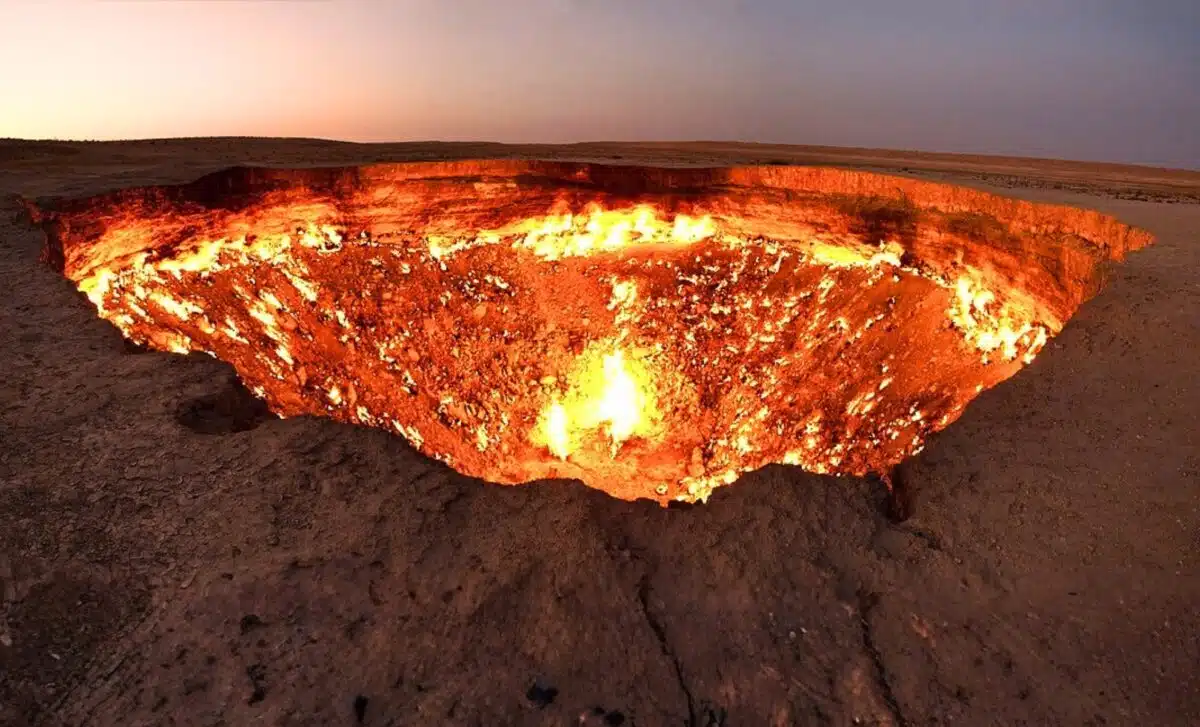
The flames inside Turkmenistan’s Darvaza gas crater are fading, but the climate question is getting harder, not easier: a weaker fire does not automatically mean a smaller methane leak.
The vast pit in the Karakum Desert, nicknamed the Door to Hell or Gates of Hell, has burned since a Soviet-era drilling accident in 1971. Reports have long described it as roughly 225 to 230 feet wide and about 65 to 99 feet deep, a fire that turned a failed gas operation into one of the country’s strangest landmarks and a symbol of wasted fuel in a state built on huge gas reserves.
Turkmen authorities have pushed for a solution for years. In January 2022, then-President Gurbanguly Berdimuhamedov ordered officials to find a way to extinguish the blaze, arguing that it was wasting valuable natural gas and damaging the environment. The crater sits about 260 to 266 kilometers north of Ashgabat, making it remote enough to become a destination for travelers, but close enough to stand as a reminder of how much gas Turkmenistan still cannot fully control.

By 2024, independent satellite-based tracking pointed to a significant drop in emissions after Turkmengas drilled a new bypass well. Turkmen state and energy-sector sources later said the intensity of unorganized burning had fallen by more than three times. By 2025, reporting and photos showed only a few tongues of flame where the crater had once glowed far more intensely.
That apparent improvement is not the same as solving the underlying problem. Experts have warned that the crater may be fed by multiple interconnected gas pockets, which makes it difficult to seal completely. In practice, that means the fire can shrink while methane still escapes below the surface, out of view of satellites and visitors alike.
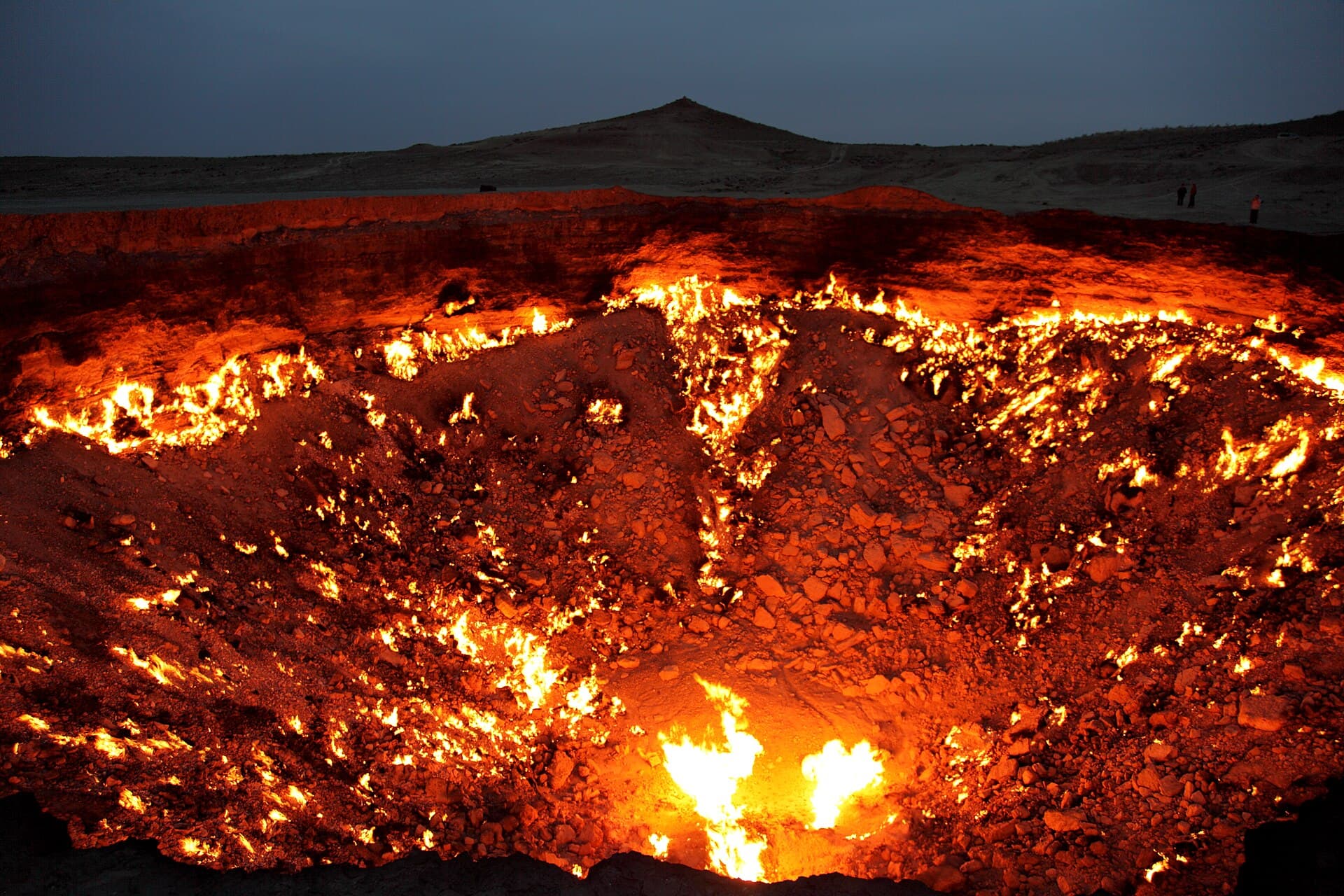
The Darvaza crater has always carried two meanings at once. It has been a tourist draw, and a spectacle, but also a visible sign of wasted energy in a country that has faced scrutiny over methane emissions more broadly. Whether the fading fire becomes a climate win or just a quieter leak will depend on what happens underground, where the most important emissions are still hardest to measure.
This article was produced by Prism’s automated news system from verified source data, official records, and press releases, then run through automated quality and moderation checks before publishing. The system is built and supervised by the people who set the standards it runs under. Read our full AI policy.
Did this article answer your question?


