U.S. says two merchant ships transit Strait of Hormuz as reopening effort begins
Two American-flagged ships got through Hormuz, but traffic was still thin, leaving the bigger question whether commerce was reopening or only being escorted through.

Two American-flagged merchant ships transited the Strait of Hormuz, but the real test was whether that signaled a reopening of global shipping or only a narrow passage enforced by U.S. military power.
The U.S. military said Monday that the ships made the crossing after Washington launched a new effort to restore traffic through the waterway. Navy guided-missile destroyers in the Persian Gulf were helping push that effort, as President Donald Trump said the United States would begin guiding stranded ships through the strait.
The passage came after Iran had effectively closed the strait since the U.S. and Israel launched the war in late February. The military confrontation has turned the chokepoint into a pressure point for the global oil trade, with Washington now trying to reassert access to a route that cannot easily be replaced.
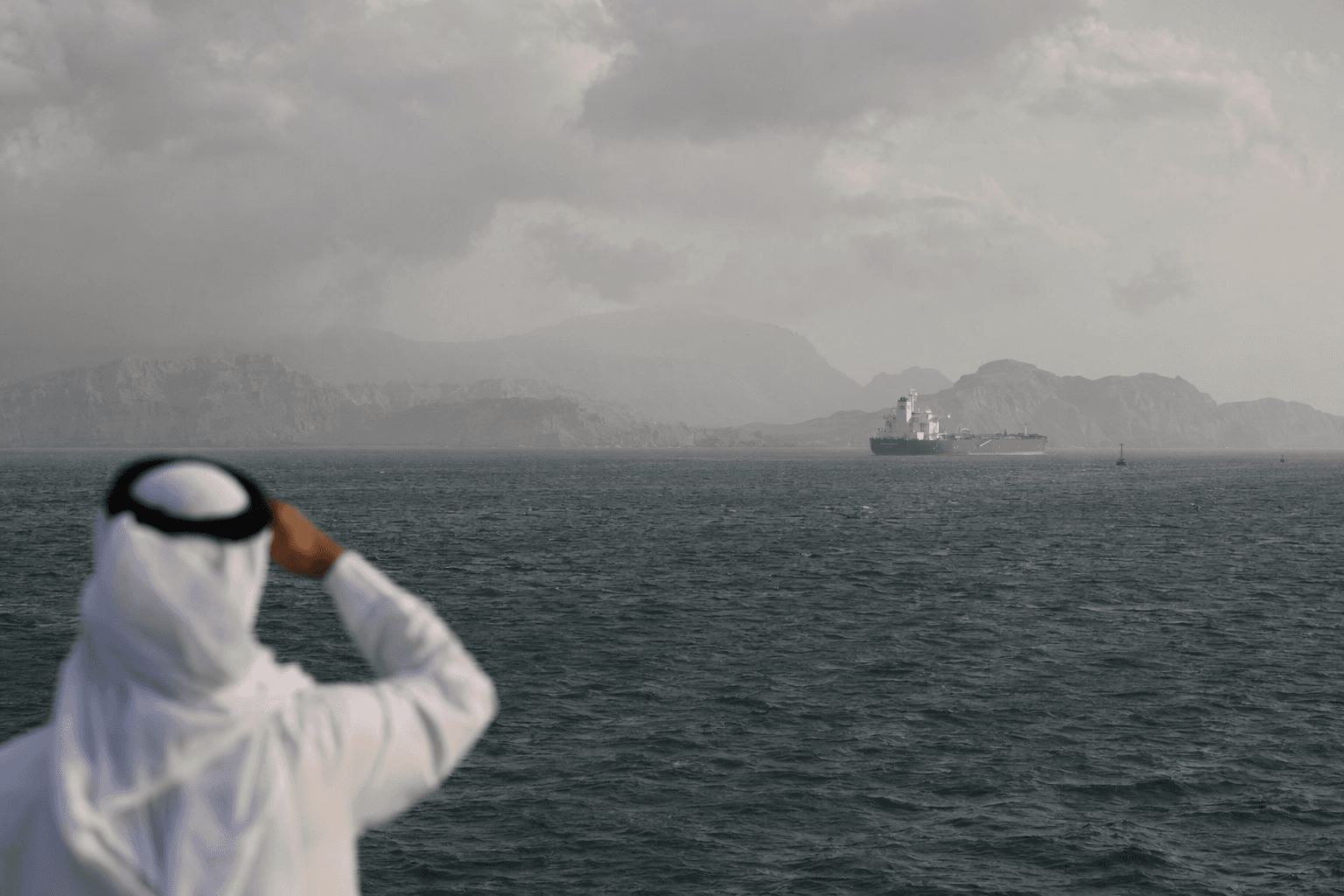
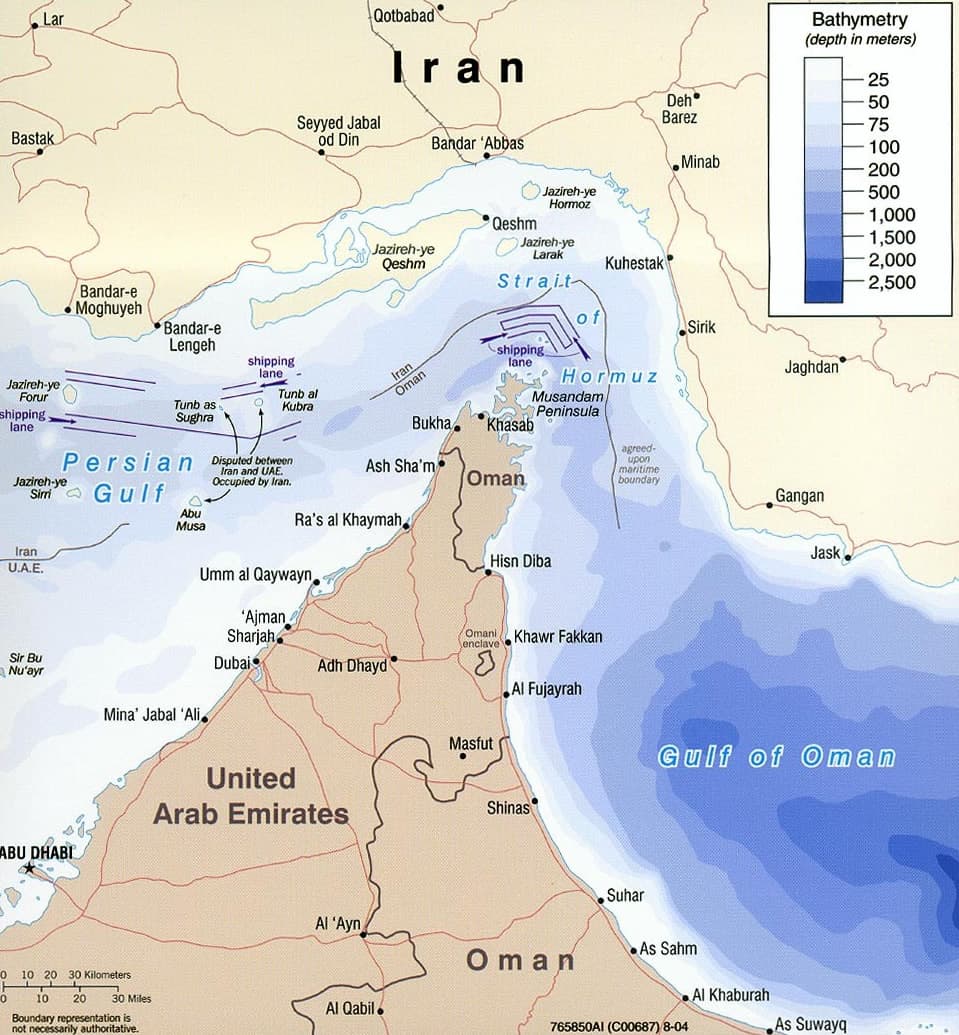
The Strait of Hormuz carries enormous weight well beyond the region. The U.S. Energy Information Administration said oil flows through the strait averaged 20 million barrels per day in 2024, equal to about 20 percent of global petroleum liquids consumption. The International Energy Agency said the strait is only 29 nautical miles wide at its narrowest point and contains 2-mile-wide inbound and outbound shipping lanes, plus a buffer zone.
That geography has made even limited disruption costly. Recent maritime reporting said traffic through the strait had been reduced to a trickle, with many ships waiting outside the Gulf, rerouting, or turning back. Industry analysts have said the strain has already reshaped regional trade flows, raised war-risk costs, and shaken confidence in tanker and container markets.
On Monday, that caution was still visible. Reuters reported there were no signs of increased vessel traffic through Hormuz before the U.S. announced its effort, and The Maritime Executive said only a handful of ships were attempting the passage. That suggests the central question is not whether a few escorted vessels can get through, but whether insurers, ship operators and cargo owners will believe the route is safe enough to resume normal flow.
The U.S. military separately denied Iran’s claim that it had struck an American Navy vessel. For now, the two ship transits showed that Washington could help force a limited crossing. They did not yet prove that the Strait of Hormuz had returned to anything close to normal commerce.
This article was produced by Prism’s automated news system from verified source data, official records, and press releases, then run through automated quality and moderation checks before publishing. The system is built and supervised by the people who set the standards it runs under. Read our full AI policy.
Did this article answer your question?


